HRC62: Civil society presents key takeaways from the session
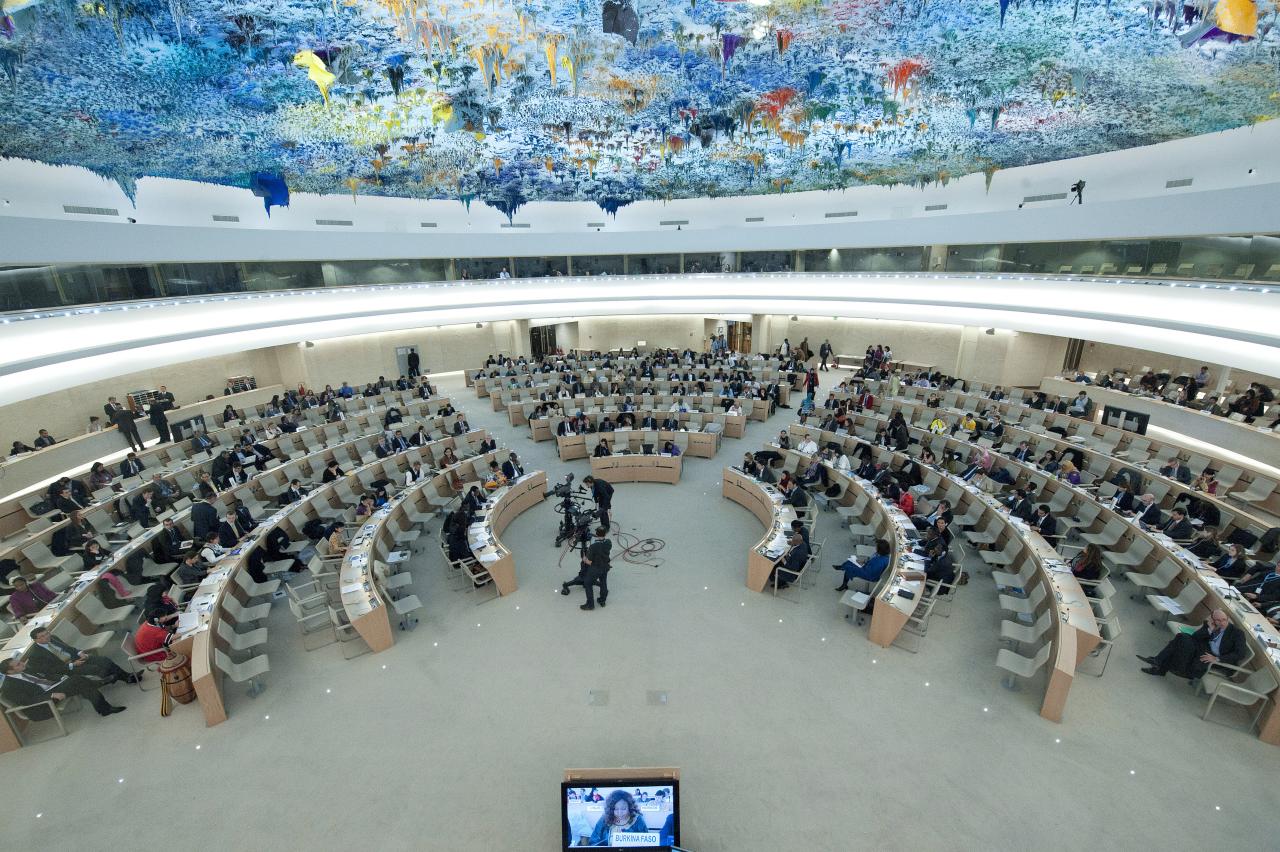
At the 62nd Human Rights Council session, civil society organisations shared reflections on key outcomes and highlighted gaps in addressing crucial issues and situations.
Read on to remain up to date with the latest international human rights news, views and developments!
At the 62nd Human Rights Council session, civil society organisations shared reflections on key outcomes and highlighted gaps in addressing crucial issues and situations.
Despite Nepal’s international commitments, human rights violations against Indigenous Peoples continue. The new government has an opportunity to align its laws with international standards, ensure consent for projects affecting Indigenous communities, and protect the right to peaceful protest and the right to defend rights.
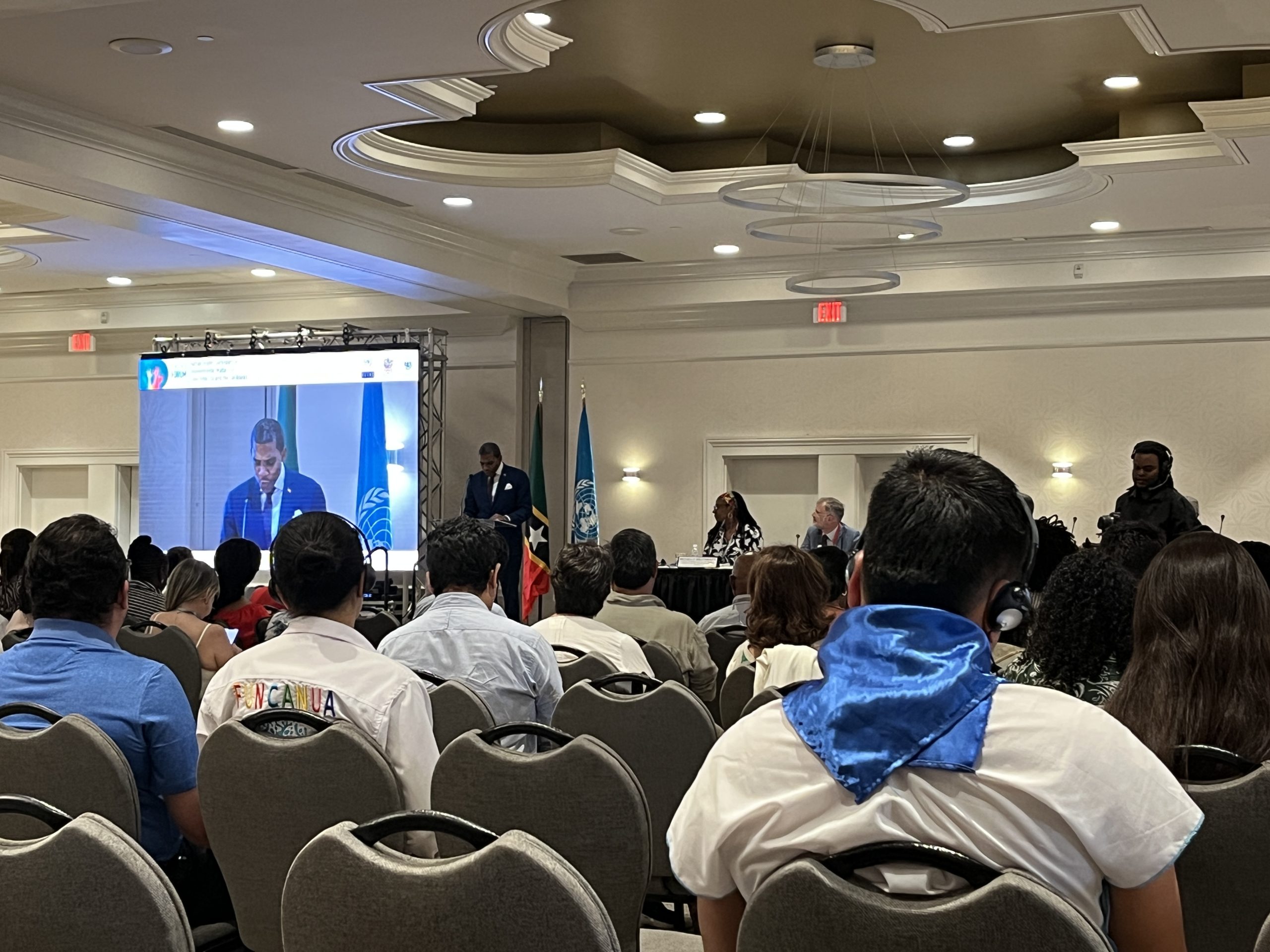
At the 13th World Urban Forum, the first Indigenous Peoples Caucus called for recognition of Indigenous Peoples’ rights, including self-determination, meaningful participation, protection of Indigenous defenders and culturally appropriate housing.
In a statement at a panel on climate change and human rights, ISHR and the Institute for Political Economy Sri Lanka highlighted the ‘trap’ in which States could enter if not looking at climate financing with a human rights perspective.
ISHR introduces a new on-line course on advocacy for environmental human rights defenders, a practical, self-paced resource for activists, community leaders, and allies to defend the right to a clean, healthy and sustainable environment using UN and regional mechanisms.
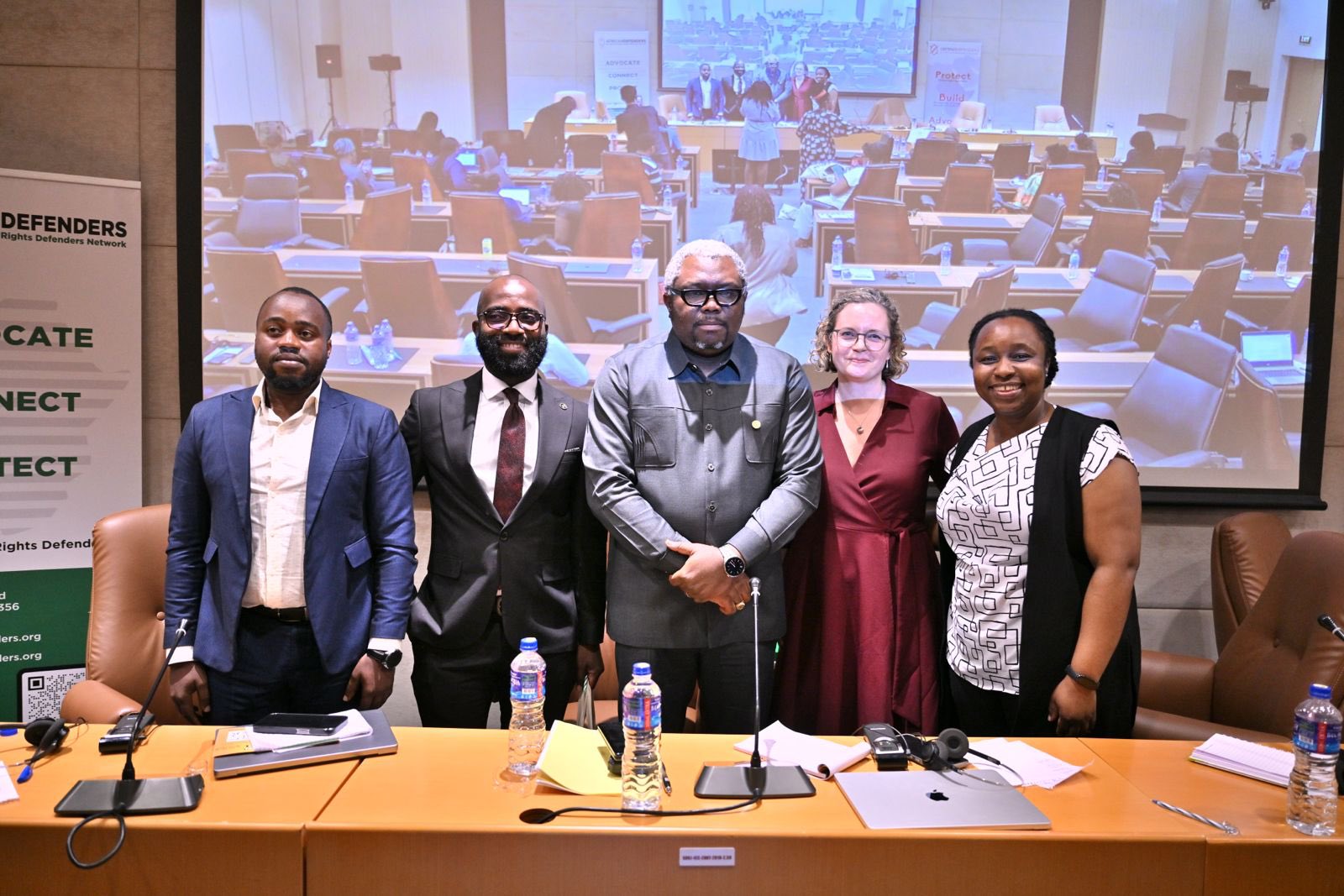
On 18 May 2026, the African Commission on Human and Peoples’ Rights (the African Commission) reviewed during its 87th ordinary session the 14th periodic report of the Republic of Kenya under the African Charter on Human and Peoples’ Rights (the African Charter) and 2nd report under the African Charter on Human and Peoples’ Rights on the rights of women in Africa (Maputo Protocol). The report covers the period from 2022-2025.
UN experts officially warned Russian authorities they were looking at allegations of laws placing strict and discriminatory burdens on the work of Indigenous rights groups and activists.
At the latest intersessional meetings of the open-ended intergovernmental working group on business and human rights, States, legal experts and civil society organisations discussed key articles including scope, mutual legal assistance and future implementation of the Legally Binding Instrument.
The Special Rapporteur on Adequate Housing presented his final report on his visit to Guatemala, with recommendations seeking to address decades of displacement, dispossession of land against Indigenous Peoples, and the criminalisation of defenders.
Ahead of the Human Rights Council’s 61st session, ISHR and partners review Guatemala’s human rights situation, including the 2026 judicial renewal process, Indigenous rights, and access to land.
The Escazú Ahora Chile Foundation, the Protege los Molles Foundation and ISHR demand that the investigation, arrest and legal proceedings involving Julia Chuñil's relatives be conducted in accordance with international standards of due process.
UN human rights mechanisms examined the situation in Guatemala regarding the right to adequate housing and racial discrimination, calling for an end to forced evictions against Indigenous communities and for the protection of land defenders, including Indigenous Peoples.