
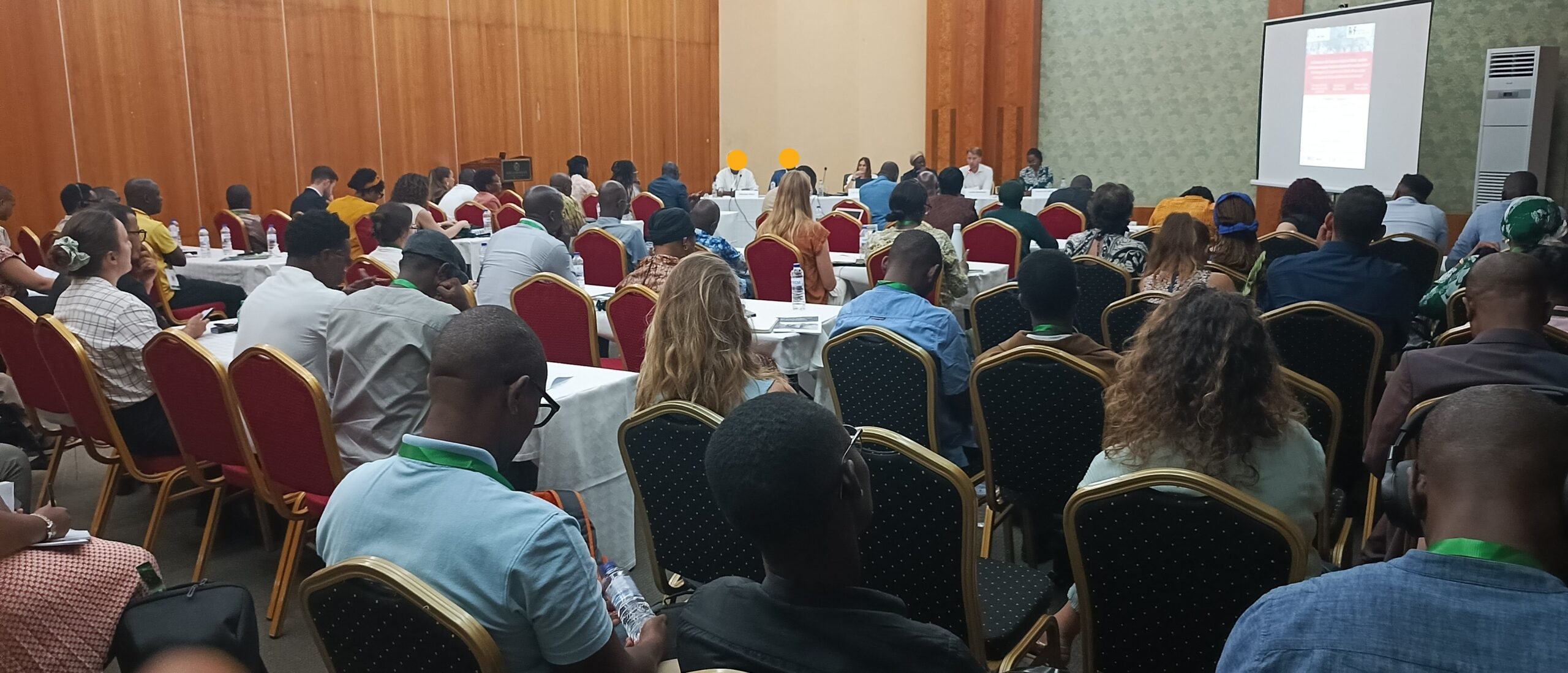
ACHPR89: Civic space, press freedom alarmingly constrained in the Sahel
At the margins of the 89th session of the African commission, civil society groups discussed the growing challenges and threats weighing on journalists working the Sahel.
© Photo: ISHR
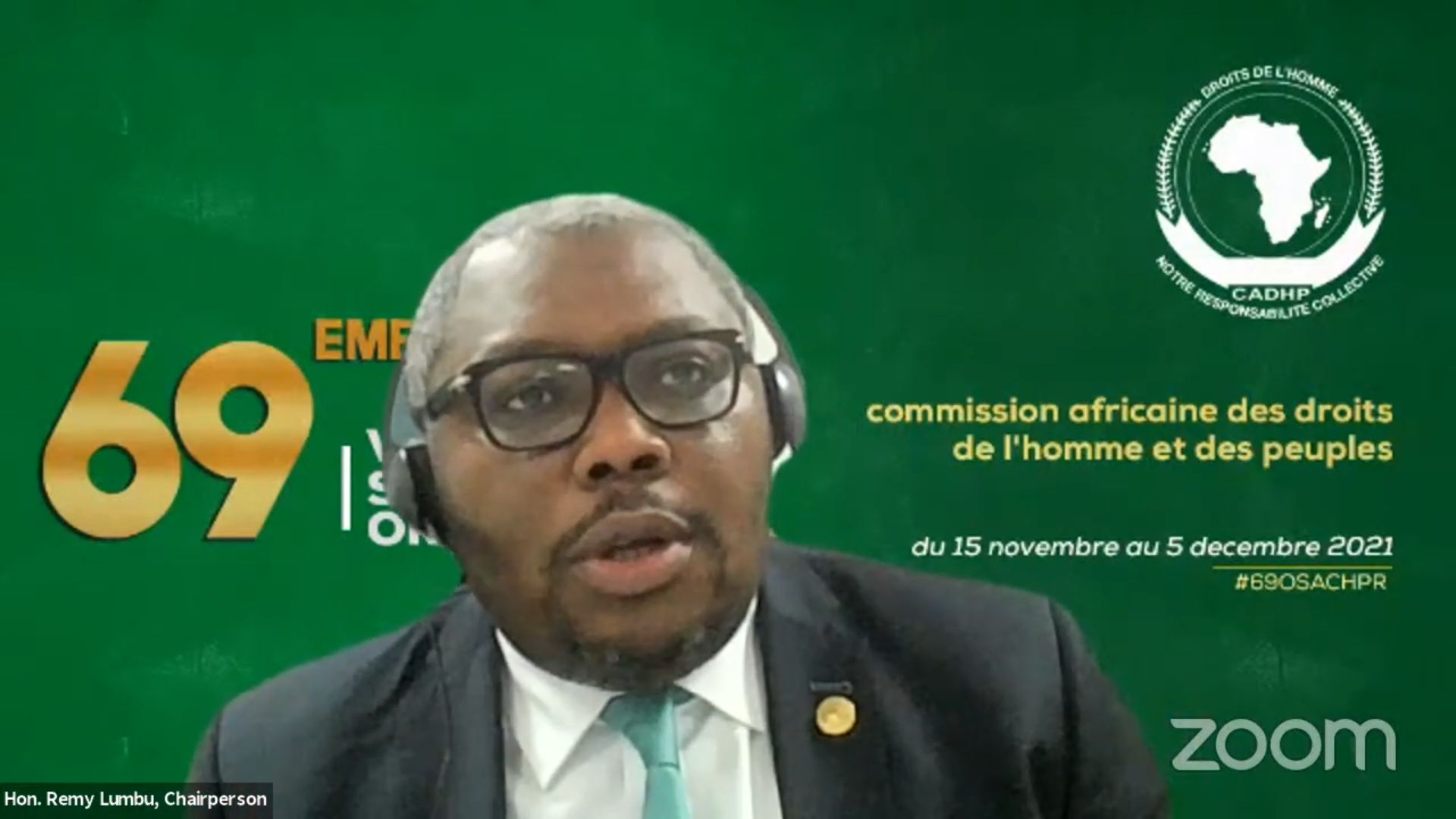
Concerned about the increase in the number of human rights defenders in exile in Africa, during its 27th Extraordinary session, the African Commission on Human and Peoples’ Rights (‘the African Commission’) adopted resolution 439 mandating the African Commission to publish a report on the Situation of Human Rights Defenders in Exile in Africa.
On 18 November 2021 the African Commission held a panel on the situation of African defenders in exile on the continent. The panel was moderated by the Special Rapporteur on the situation of human rights defenders and benefited from input from a range of panellists. One of the main objectives of the panel was to present the draft report in order to gather contributions from various stakeholders.
“Perceived as troublemakers and as being against the development of their countries, for defenders exile often presents itself as the only option to remain safe,” said Remy Ngoy Lumbu, Chairperson of the African Commission and Special Rapporteur on human rights defenders.
While presenting the draft report, Arnold Tsunga, Director of the National Democratic Institute Zimbabwe, highlighted the resilience of defenders and the economic, political and psychological challenges they face in exile. He also shared some thoughts to reflect on a comprehensive protection mechanism for defenders in exile. The report analyses and shares findings on the following points:
Honourable Commissioner Maya Fadel, Vice Chairperson and Special Rapporteur on Refugees, Asylum Seekers, Internally Displaced Persons and Migrants in Africa ended by emphasising that defenders need to be linked to the existing categories of refugees and exiles to ensure they are taken cared of by the host country.
The study will soon be published on the website of the African Commission once all contributions collected during the panel are incorporated in the document.
At the margins of the 89th session of the African commission, civil society groups discussed the growing challenges and threats weighing on journalists working the Sahel.
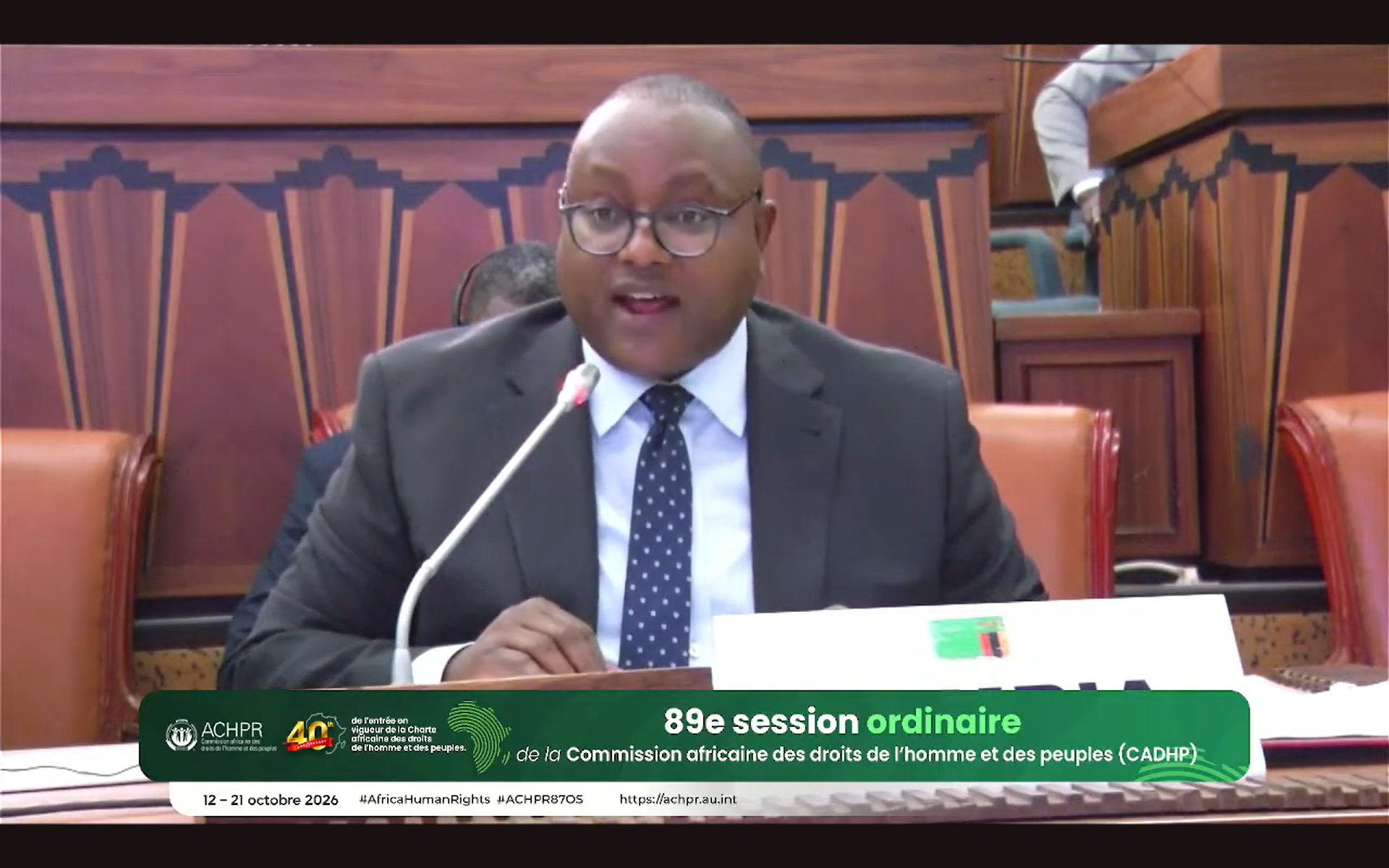
Zambia must ensure that human rights defenders can speak out, organise and work freely. In a joint submission to the African Commission, ISHR, SACCORD and ZNHRD highlight restrictive legislations and call for progress towards the adoption of the law for the promotion and protection of the rights of defenders.
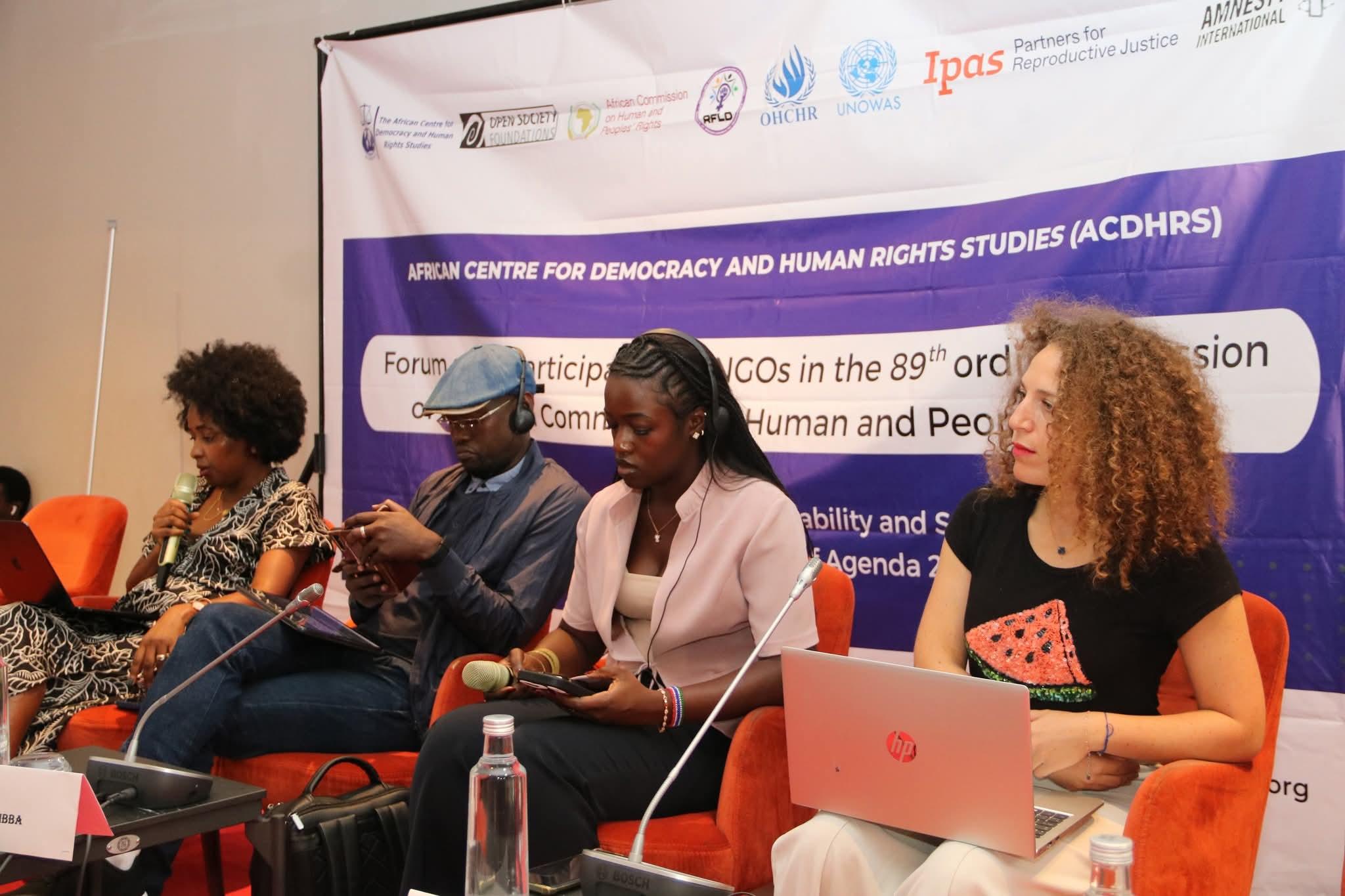
At the NGO Forum ahead of the 89th session of the African Commission, a high-level panel discussion tackled the growing issue of transnational repression in Africa.