HRC62: Civil society presents key takeaways from the session
At the 62nd Human Rights Council session, civil society organisations shared reflections on key outcomes and highlighted gaps in addressing crucial issues and situations.
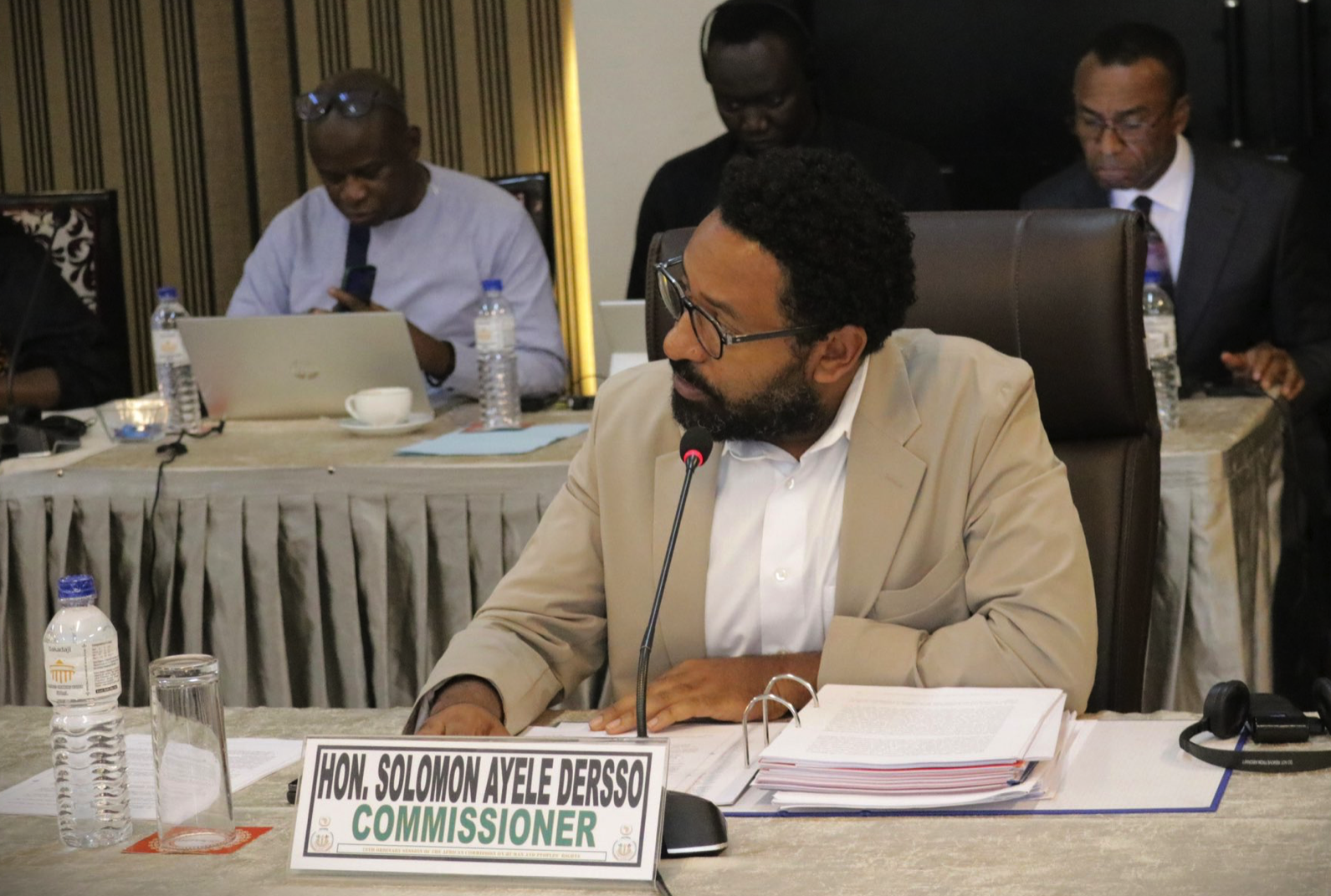
Commissioner Solomon Dersso, presenting his report on the Working Group on Extractive Industries © ACHPR
On 21 May 2024, ISHR delivered a statement highlighting issues related to the impacts of extractive industries on the defence of human rights and the environment.
In a statement following the presentation of the report of the Working Group on Extractive Industries, Environment and Human Rights Violations, ISHR shed light on the impacts that extractive industries have on the environment and the surrounding populations – especially Indigenous peoples and women.
The report of the Working Group highlighted the importance of social movements and activists, who are often on the frontlines in protecting the environment and human rights where extractive industries are involved.
One of the most significant concerns regarding extractive industries is the violation of human rights, particularly those of Indigenous peoples, local communities and those who defend their rights. Too often, these communities are marginalised and disempowered, with little say in the decision-making processes that affect their lands and livelihoods. Forced evictions, land grabs, and the suppression of dissent are disturbingly common occurrences in areas where extractive projects are undertaken.Angela Chukunzira, Africa Fellow at ISHR
The statement pointed to a prior communication sent by ISHR, Care for Environment (CFE), and Forests and Rural Development (FODER), which called on the Working Group to support their advocacy against the continued use of mercury in gold mining despite existing legislations banning its use.
ISHR also warned of the increasing dangers that African environmental human rights defenders face. The growing trends of militarisation and impunity leading to defenders facing threats and arrests is endangering the lives of defenders and it also continues the exploitation and degradation of the environment.
Finally, ISHR joined the Environmental Regional Agreement (ERA) coalition in urging the Commission to work alongside defenders in drafting and adopting a regional instrument for the protection of the environment, human rights and environmental human rights defenders.

At the 62nd Human Rights Council session, civil society organisations shared reflections on key outcomes and highlighted gaps in addressing crucial issues and situations.
Despite Nepal’s international commitments, human rights violations against Indigenous Peoples continue. The new government has an opportunity to align its laws with international standards, ensure consent for projects affecting Indigenous communities, and protect the right to peaceful protest and the right to defend rights.
At the 13th World Urban Forum, the first Indigenous Peoples Caucus called for recognition of Indigenous Peoples’ rights, including self-determination, meaningful participation, protection of Indigenous defenders and culturally appropriate housing.