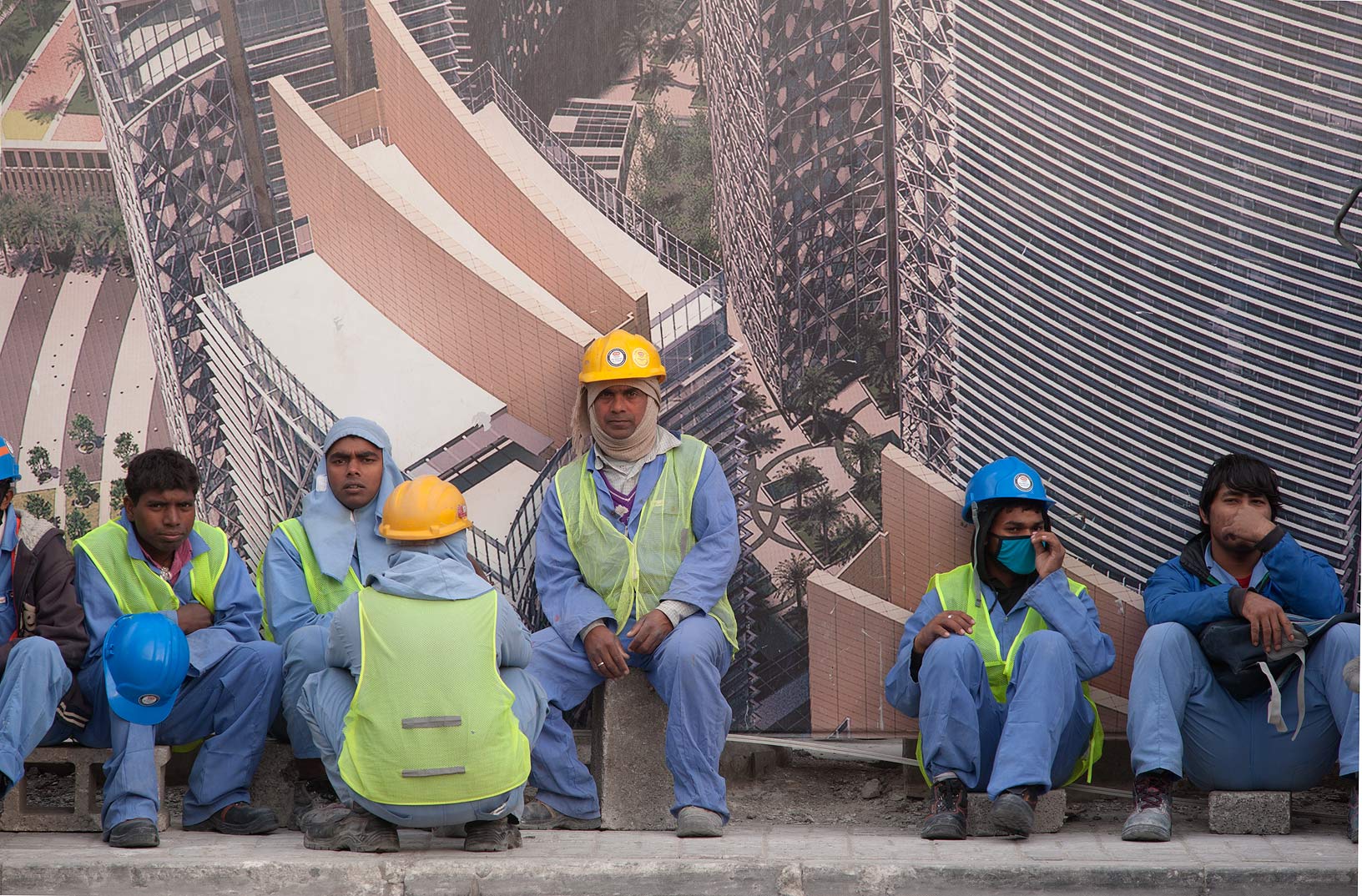
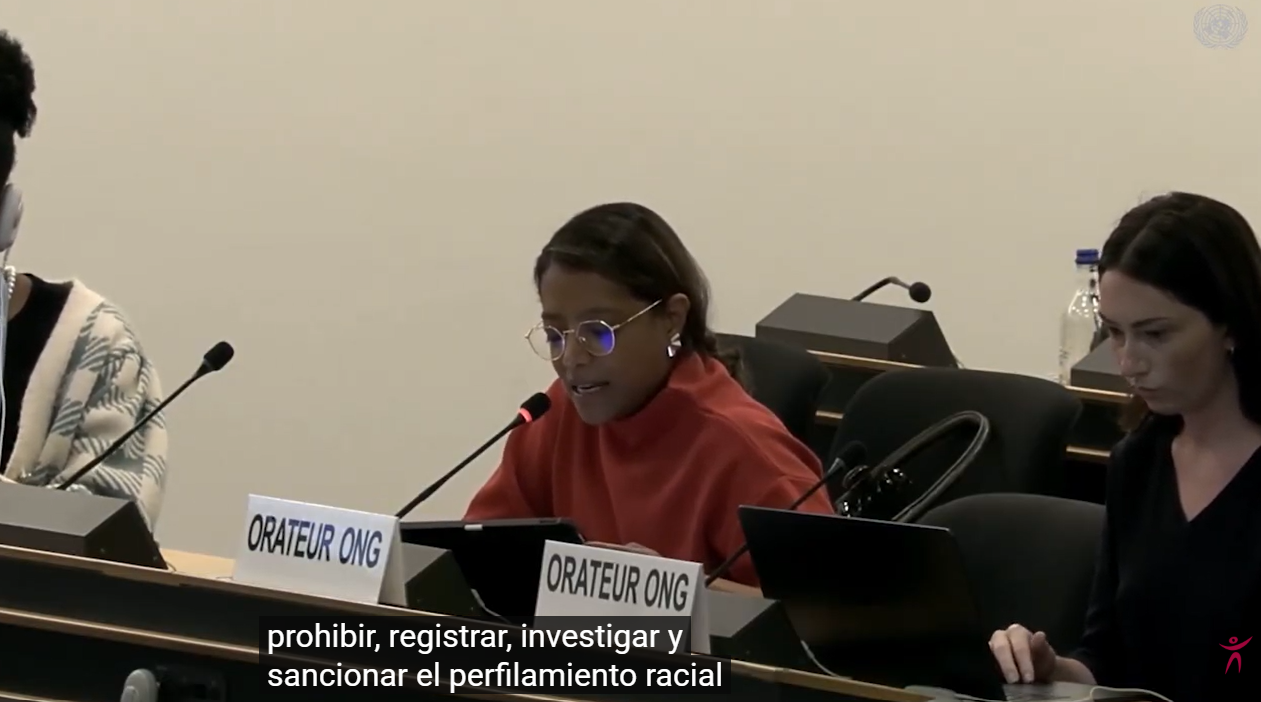
When Mihika Chowdhury (not her real name) became aware of the upcoming review of Bahrain by the UN body tasked with monitoring compliance with the anti-racial discrimination Convention, she immediately started to plan for a trip to Geneva. The last review of Bahrain by that Committee had taken place over 15 years before, back in 2005, and the most recent list of questions from the Committee already dated back to 2017. The review was much needed and constituted an important opportunity for Mihika’s organisation, which provides support and raises awareness on discrimination affecting Asian workers in the Middle East.
Yet when Mihika set foot in Geneva, she found out that the review had been canceled at the last minute “at the request of the State party”. Although she was able to make up for her presence in Geneva, the main purpose was lost: the review was not going to happen, and it was not clear at that stage when it would. What is all the more disturbing is that at the same moment, other reviews were also being canceled for similar reasons, yet another Committee decided to proceed with a review despite the absence of the State delegation. This attitude is commendable for all NGOs, such as Mihika’s, who have made the effort to provide inputs or participate in the reviews.
This incident could be almost anecdotal in pre-Covid times when last minute cancellations of reviews were rare. Yet such examples have become widespread, across all of the Committees, since the beginning of the pandemic. Last minute cancellations of reviews, limited to no advance notice provided to NGOs ahead of crucial reviews, questionable sequencing of States parties whose domestic records require less urgent attention, unreasonably short timelines for NGO submissions, restrictions for in-person participation of NGOs in sessions where States are allowed to join in person. The list of never or rarely seen before restrictions in civil society access keeps growing since the start of Covid. The risks are huge, given the lasting precedents they could set.
In two submissions to the upcoming report of the Secretary General on Treaty Bodies, NGOs are sounding the alarm bell and reiterate calls for better and full Treaty Body cooperation with civil society.
- A joint submission by TB-Net, Amnesty International and ISHR emphasises how crucial it is for all Treaty Bodies to enable hybrid participation wherever possible and relevant. The submission also reiterates calls made repeatedly since the start of the pandemic for NGOs to be considered on a similar footing as states, and information about the schedules of reviews to be provided with enough anticipation.
- The ISHR submission builds upon these points and further reiterates previous calls for clear criteria in the prioritisation of countries coming up for review, as well as the need for harmonised procedures across the Committees in planning ahead, providing ample information to NGOs, especially national level NGOs, and in handling last minute State requests to skip reviews.
“It’s deeply frustrating to have traveled to Geneva for a review that Bahrain escaped too easily” says Mihika. “Unless the Committees and their Secretariat apply now the practical and existing solutions for reviews to proceed, they risk losing credibility” she concludes.
Links: