Kryštof Stupka, a Czech defender of LGBTI rights, turned to the authorities after he was targeted by a hate crime arising from his activism. Rather than protecting him, the authorities collected extensive data on his financial, professional and private communications and shared it with third parties.
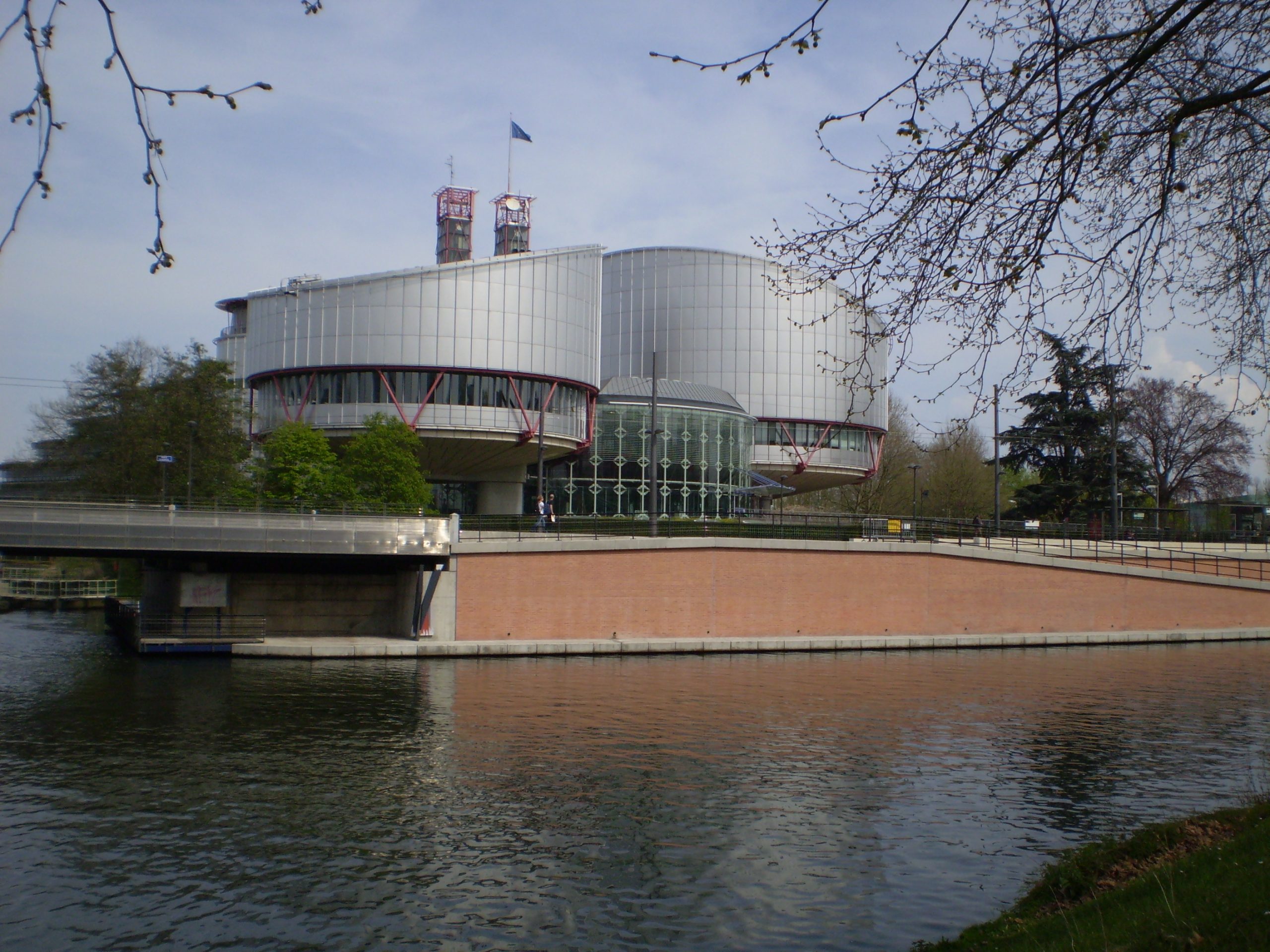
The domestic courts upheld these measures. The case is now before the European Court of Human Rights, which is examining whether this interference was compatible with Article 8 of the European Convention on Human Rights (the right to respect for private life).
ISHR’s amicus brief sets out the international and European standards the Court should apply when State interference with privacy touches on the right to defend rights. ISHR argues that the Czech Republic has a positive obligation to protect human rights defenders and the right to defend rights, grounded in the International Covenant on Civil and Political Rights and elaborated in the UN Declaration on Human Rights Defenders. The Declaration +25 confirms that this protection extends to defenders’ privacy.
Because reporting hate crimes and advocating for minority rights lie at the core of protected expression, ISHR submits that any interference with these activities requires heightened scrutiny and especially weighty justification.
ISHR also asks the Court to weigh the chilling effect of State action against one defender.
Drawing on the Court’s own case law and recent warnings by UN experts about surveillance of civil society, ISHR submits that this deterrent effect is directly relevant to whether the interference was necessary and proportionate in a democratic society.
Read more about ISHR’s strategic litigation work.