
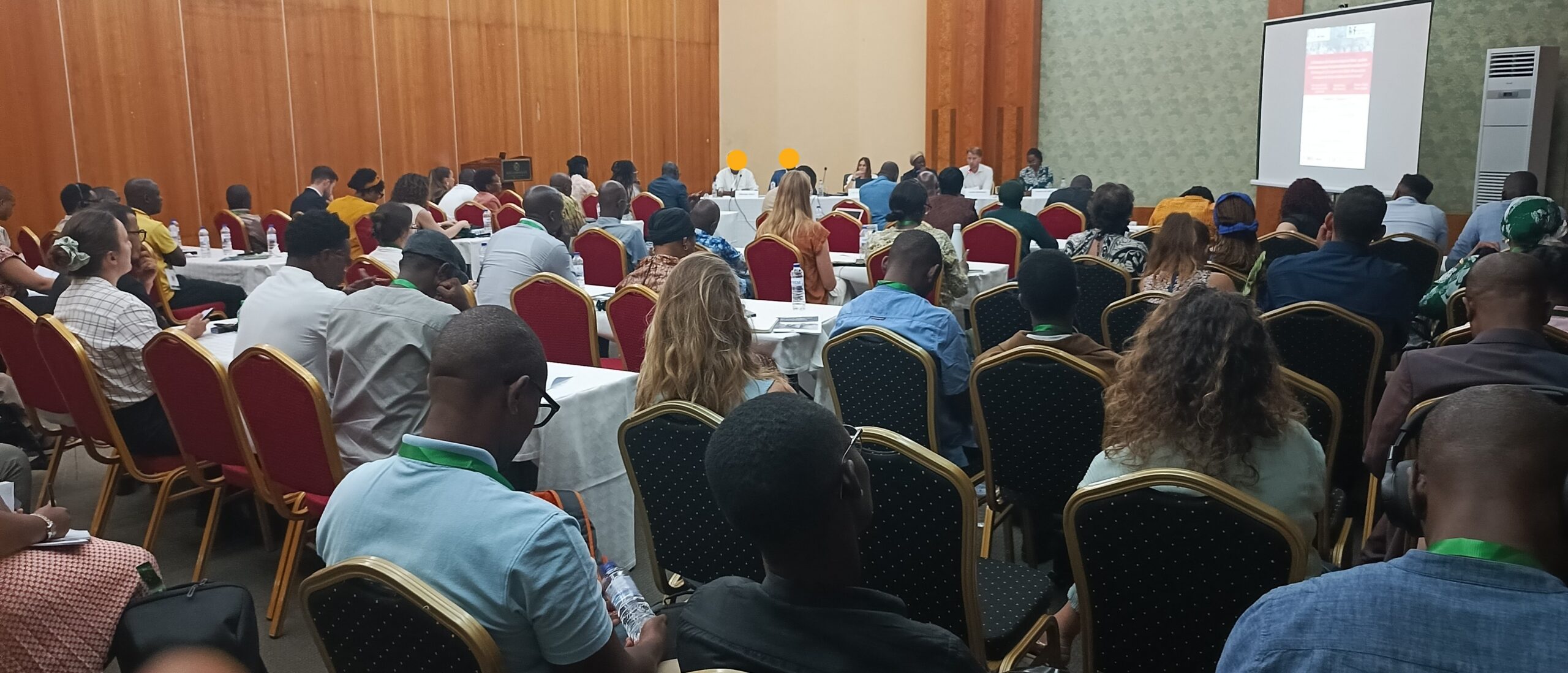
ACHPR89: Civic space, press freedom alarmingly constrained in the Sahel
At the margins of the 89th session of the African commission, civil society groups discussed the growing challenges and threats weighing on journalists working the Sahel.
flickr/A Small Waterfall and the Cahabon River

Bernardo Caal, an indigenous human rights defender, has been sentenced to seven years and four months in prison for leading a peaceful opposition to construction on the Cahabón River.
UPDATE: On March 24, 2022, Bernardo Caal was released from prison for his good behaviour. However, he remains convicted of a crime he did not commit.
– Original story follows –
ISHR recently endorsed an amicus curiae produced by human rights defenders in Guatemala to be submitted at the upcoming appeal in the case of Bernardo Caal. Caal is a member of the Mayan Q’eqchi community and an indigenous human rights defender in Guatemala. Caal was one of the leaders of a peaceful opposition against the construction of two hydroelectric projects that endangered the Cahabón River, which is sacred to the Mayan Q’eqchi.
The peaceful opposition denounced irregularities in the project, including the lack of prior and informed consultation with indigenous peoples who inhabit the area. In retaliation, Caal was first subjected to smear campaigns and stigmatization in the press, television, through flyers, and on social media. In 2015, there was a criminal investigation accusing Caal of leading a group of approximately 100 people to attack and rob workers of the construction company. In November 2018, Caal was sentenced to seven years and four months in prison, despite what Amnesty International describes as a complete lack of evidence to support the accusations against him.
Partners in Guatemala submitted an amicus curiae to Guatemala’s Supreme Court of Justice to be considered in Caal’s appeal, which took place on June 21. The court’s decision is expected to be released within two weeks. The amicus, which ISHR endorsed, calls out irregularities in the criminal proceedings against Caal, including the violation of his right to effective judicial investigation and due diligence, disregard of the presumption of innocence, failure to begin the trial within a reasonable time, and violation of the principle of equality and non-discrimination.
Human rights defenders face severe persecution by the Guatemalan State. This is especially true for indigenous defenders. ISHR expresses support for Bernardo Caal and for all other land and territory defenders facing persecution in Guatemala.
At the margins of the 89th session of the African commission, civil society groups discussed the growing challenges and threats weighing on journalists working the Sahel.
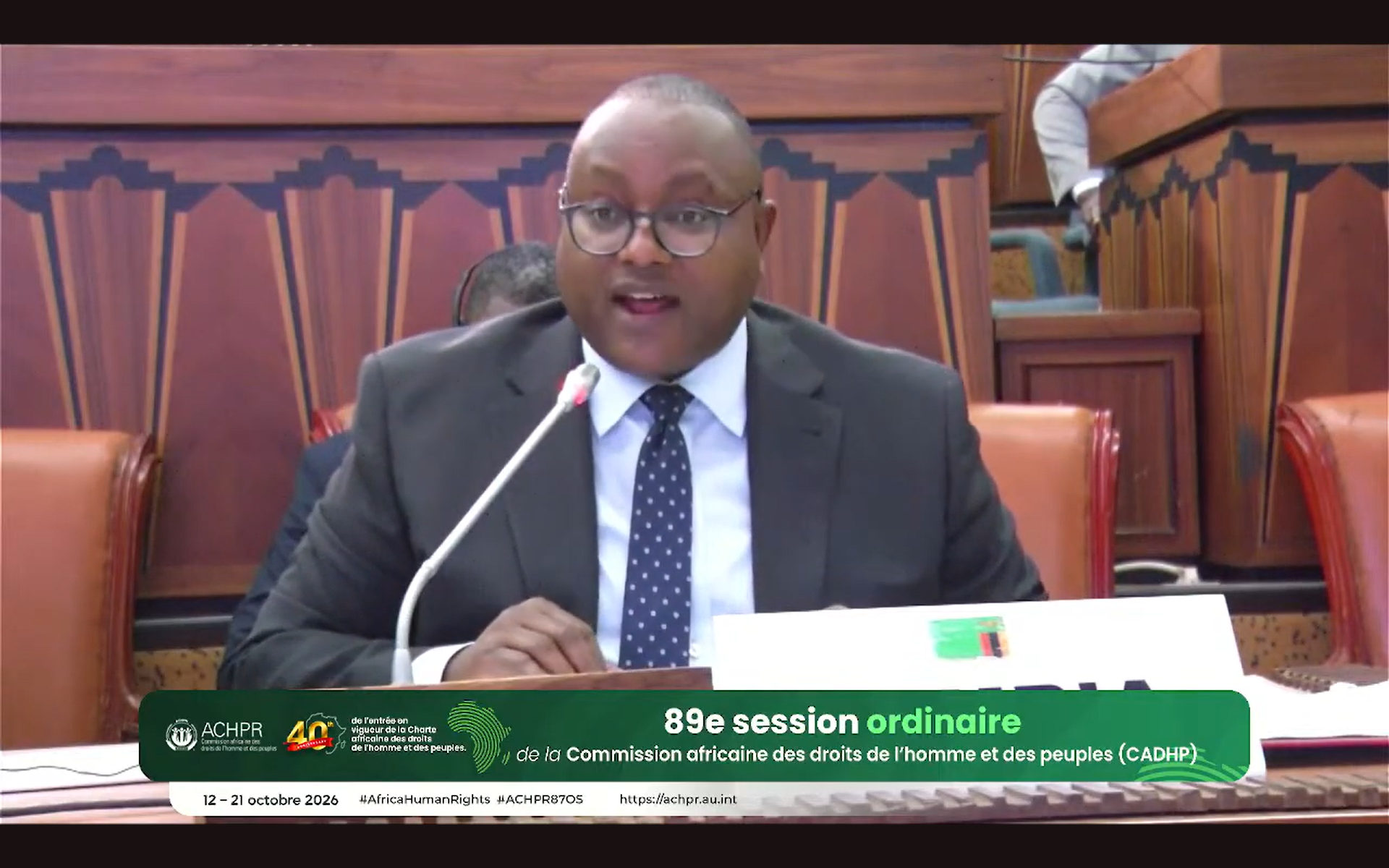
Zambia must ensure that human rights defenders can speak out, organise and work freely. In a joint submission to the African Commission, ISHR, SACCORD and ZNHRD highlight restrictive legislations and call for progress towards the adoption of the law for the promotion and protection of the rights of defenders.
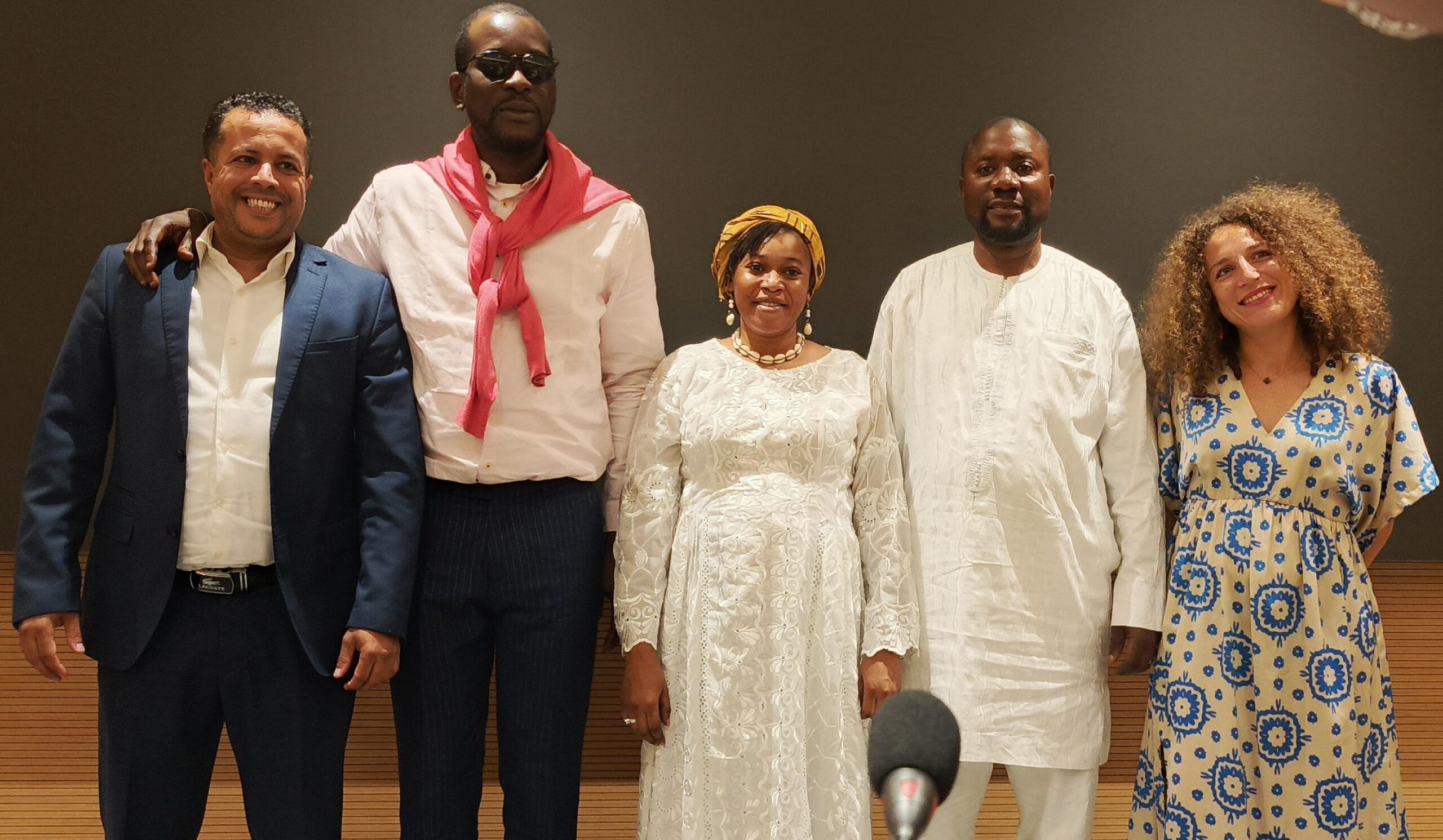
On the sidelines of the NGO Forum and the 89th Ordinary Session of ACHPR, ISHR, DefendDefenders and Front Line Defenders held an event on the intersection of environmental and digital rights. Defenders from Democratic Republic of Congo, Mali, Nigeria and Western Sahara discussed their contexts and recommendations.