HRC60: The Council must act to end Israeli crimes against the Palestinian people
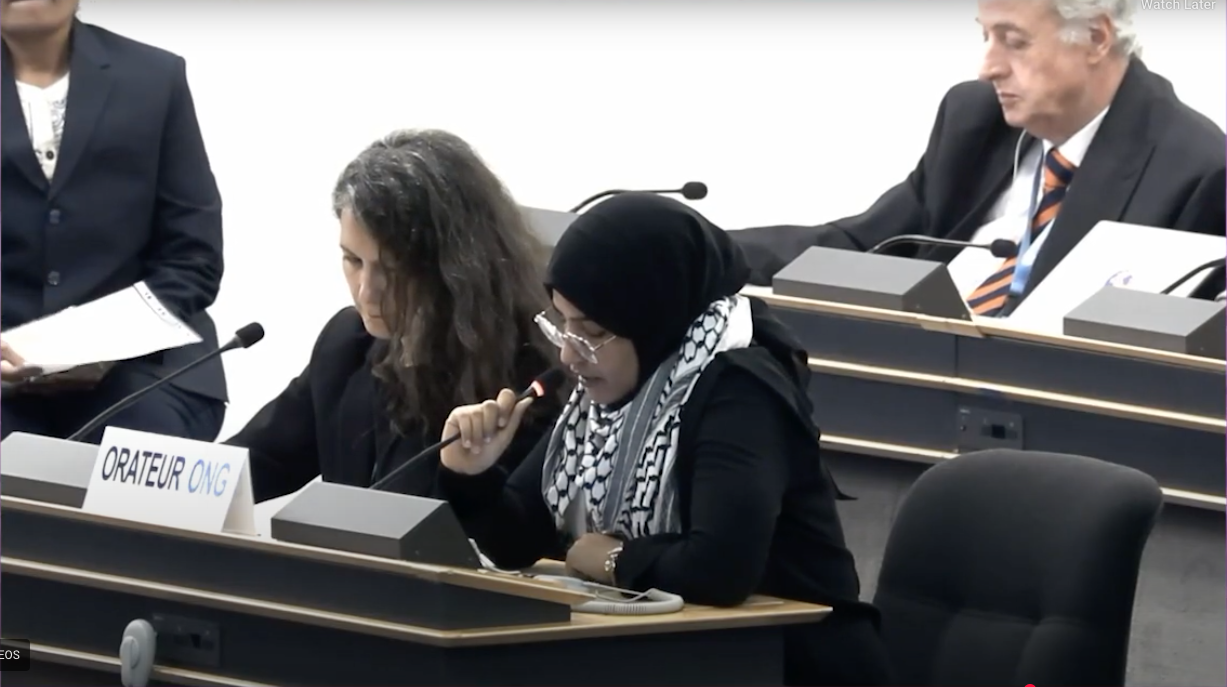
Under item 4 of the General Debate, Palestinian Indigenous human rights defender Khulood Abu Obaid called on the Human Rights Council to address institutionalised racial domination and oppression, displacement, and denial of Palestinian rights. Read and watch the full statement below.
For decades, the Palestinian people have endured a system of institutionalised racial domination and oppression, displacement, and denial of their most basic rights.
Today, in Gaza, entire families are wiped out in a matter of seconds.
Civilian infrastructure — hospitals, schools, water networks — are not collateral damage; they are intentionally targeted. What we are witnessing is the destruction of a society, carried out with full impunity.
The standing Commission of Inquiry, founded in 2021, found ‘that Israel is responsible for the commission of genocide in Gaza’. Navi Pillay, Chair of the Commission, said: ‘It is clear that there is an intent to destroy the Palestinians in Gaza through acts that meet the criteria set forth in the Genocide Convention.’
Meanwhile, in my region, the Naqab, Israel continues its policy of dispossession against Palestinian Bedouin citizens. Entire villages have been uprooted and displaced over the past year. Homes were demolished and families were expelled to build new Jewish settlements on the ruins of the destroyed villages.
This is colonial apartheid in practice in the entirety of historical Palestine, where Israel uses the tool of the strategic fragmentation of the Palestinian people.
We call on this Council to recognise and take effective actions to put an end to the Israeli crimes committed against the Palestinian people as a whole, on both sides of the green line, with the intention of replacing Palestinian Indigenous people with Israeli settlers.
Silence or ‘balanced’ language only serves the oppressor. Accountability is overdue — and without it, the cycle of violence and displacement will continue.
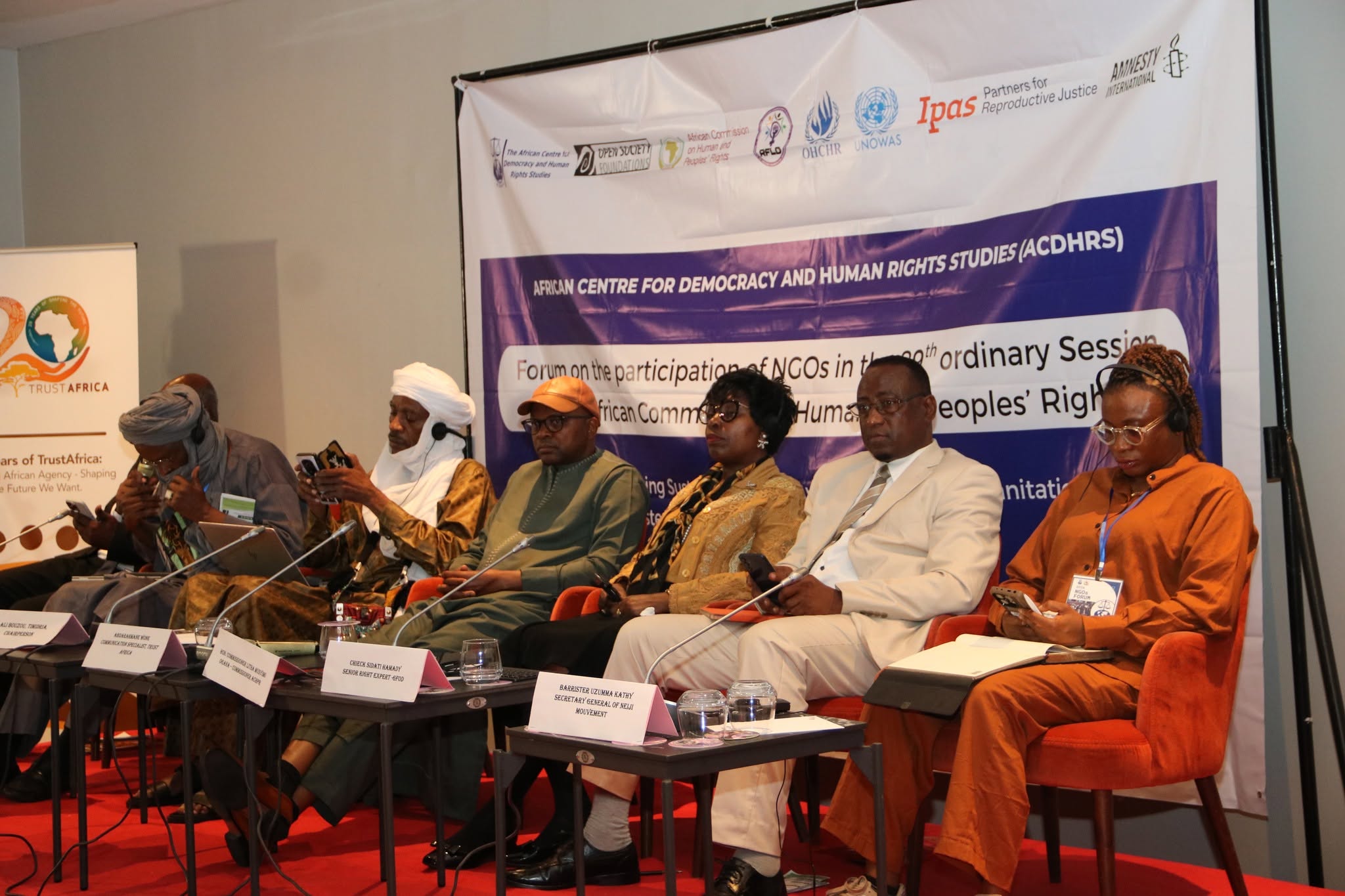
Ahead of the 89th session of the African Commission on Human and Peoples’ Rights, the NGO Forum convened an inaugural panel on advancing water justice and democratic inclusion for Communities Discriminated on Work and Descent in Africa.
UN experts officially warned Russian authorities they were looking at allegations of laws placing strict and discriminatory burdens on the work of Indigenous rights groups and activists.
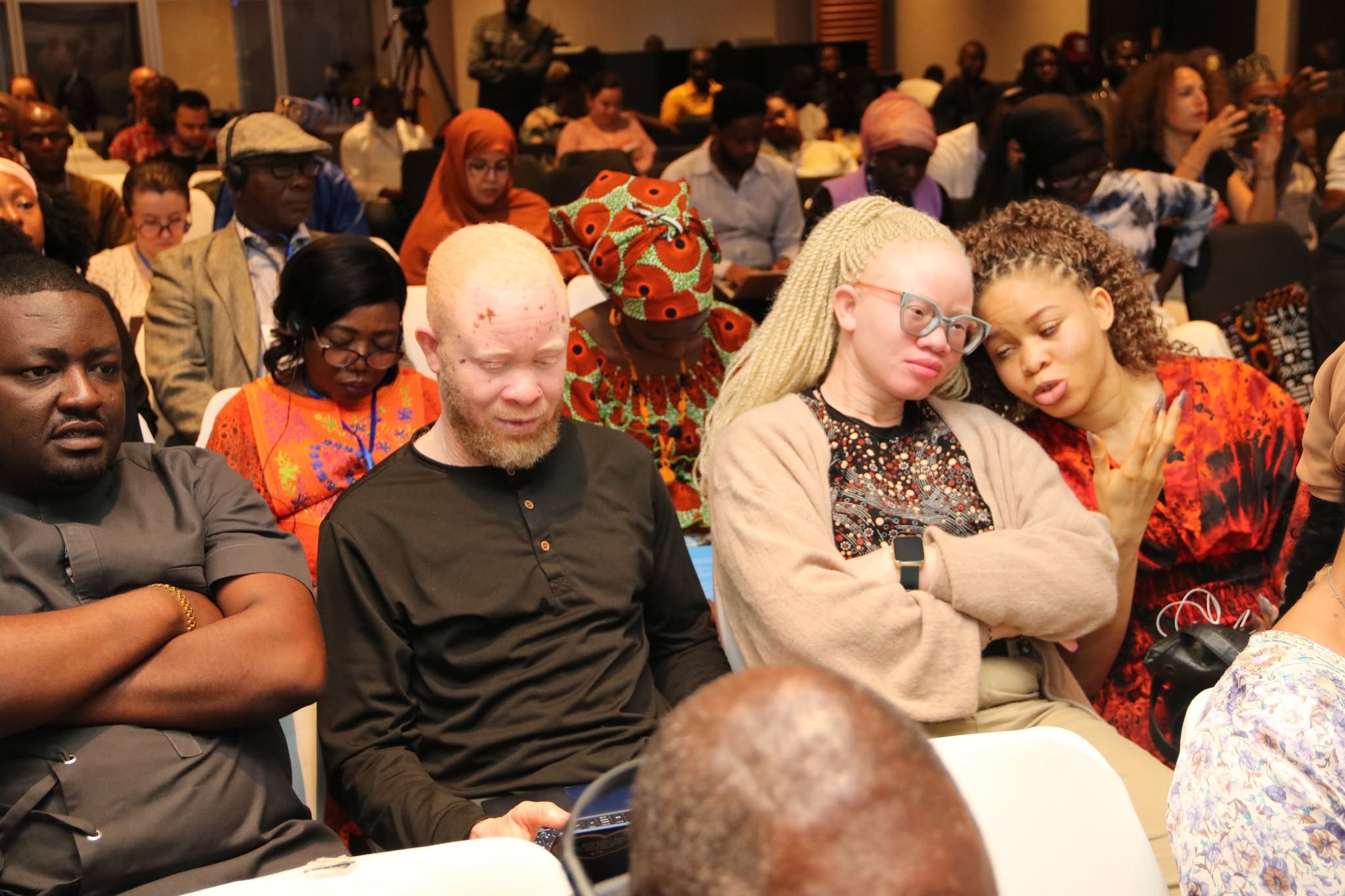
A panel the impact on the rights of persons with albinism and disabilities in Africa explored the disproportionate impact of climate change on marginalised communities and the urgent need for inclusive, rights-based climate action.