
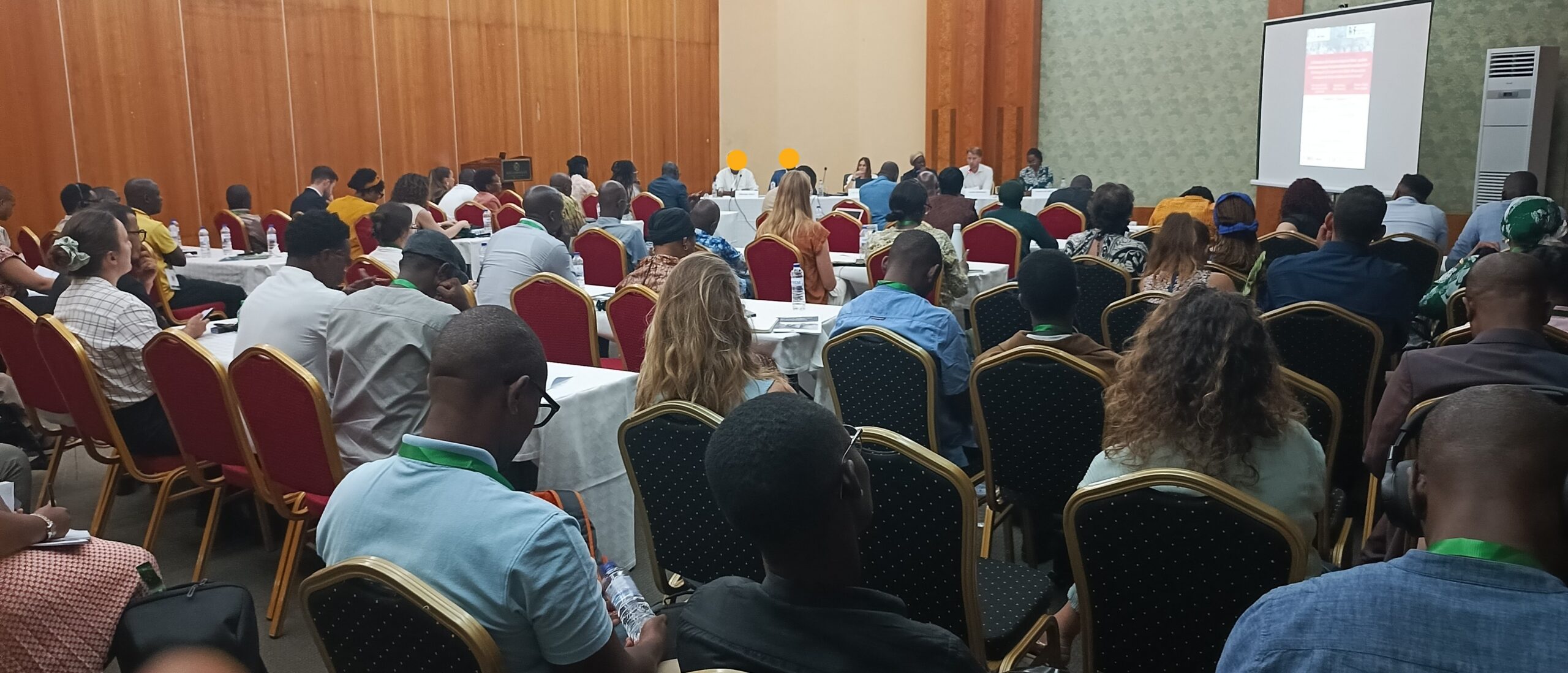
ACHPR89: Civic space, press freedom alarmingly constrained in the Sahel
At the margins of the 89th session of the African commission, civil society groups discussed the growing challenges and threats weighing on journalists working the Sahel.
Human rights defenders are essential to peace, security, and sustainable and inclusive development. Attacks and restrictions against them are a particularly significant early warning sign of more widespread and systematic human rights violations.
The report on ‘the contribution of the Human Rights Council to the prevention of human rights violations’ submitted to the 43rd session of the Council, found that the targeting of human rights defenders, journalists and civil society organisations is particularly concerning. This signals an early warning sign of a deterioration of the situation, as well as limits the transmission of information to the international community.
The report recommends that:
‘Following the Secretary-General’s call to action, States should step up their efforts to ensure the implementation of the above recommendations, and initiate prompt Council action when human rights defenders are under systematic attack including for their engagement with the UN’, said Salma El Hosseiny, ISHR’s Human Rights Council Programme Manager.
Human rights defenders face attacks and restrictions because they challenge privilege, power and demand accountability for victims of human rights violations.
‘Accountability is an essential prerequisite for the prevention of atrocities and violations, as there can be no peace without justice’, added El Hosseiny.
The report also proposes ‘confidential Council sessions and preventive diplomacy of good offices missions to countries concerned’. ISHR does not support these recommendations as civil society engagement and participation in the Council’s processes is essential to formulating effective solutions and monitoring their implementation.
‘Preventive diplomacy without civil society engagement is essentially ineffective diplomacy’, added El Hosseiny.
The report proposes the creation of an ‘implementation facility’ to assist States in implementation of recommendations from the UPR, treaty bodies and Special Procedures, citing ‘the sheer number of recommendations and States’ limited technical capacity and resources to implement them’ as the main reason for the non-implementation by States of a large number of the recommendations.
‘Governments who are targeting and attacking human rights defenders are not failing to implement human rights recommendations because there are “too many” such recommendations, but rather due to lack of political will’, added El Hosseiny. ‘Most often attacks and restrictions against defenders are State-perpetrated or sanctioned attempts to silence dissent or to propagate power.’
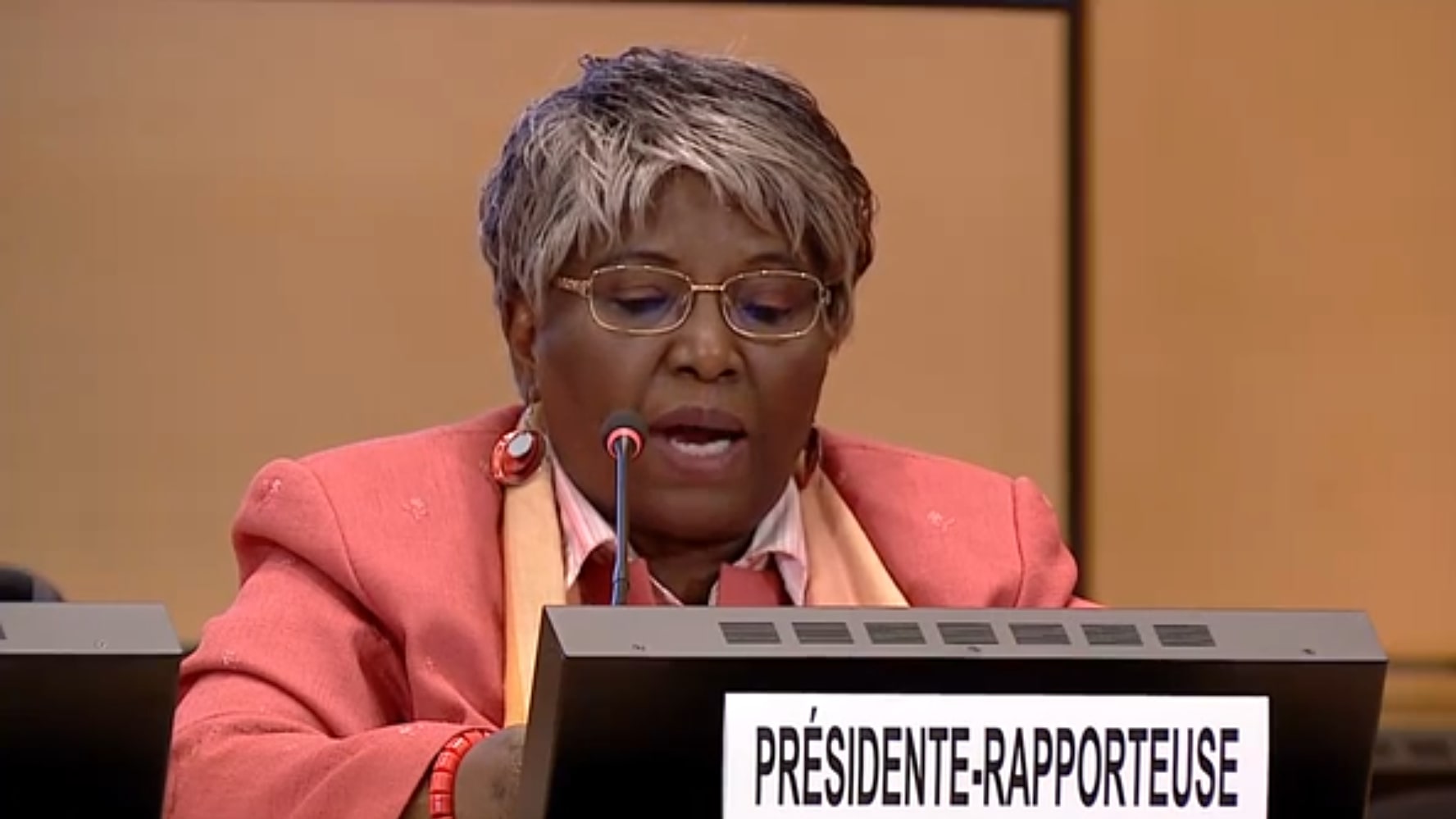
The report proposes using different tools to enhance the Council’s prevention role and should be on a case-by-case basis. This includes strengthening the OHCHR’s capacity to collect information on early warning signs, and the High Commissioner presenting the information to the Council. The Chair of the group of experts, Yvette Stevens, explained in her presentation of the report to the Council that ‘in the event that diplomatic efforts fail to yield the desired outcomes, the Council should convene a special session’.
‘While diplomacy is important, the Council should always act to reflect the gravity and urgency of the situation and not necessarily follow a linear and incremental approach which may be inadequate or ineffective in the circumstances’, concluded El Hosseiny.
Photo: UN Web TV
At the margins of the 89th session of the African commission, civil society groups discussed the growing challenges and threats weighing on journalists working the Sahel.
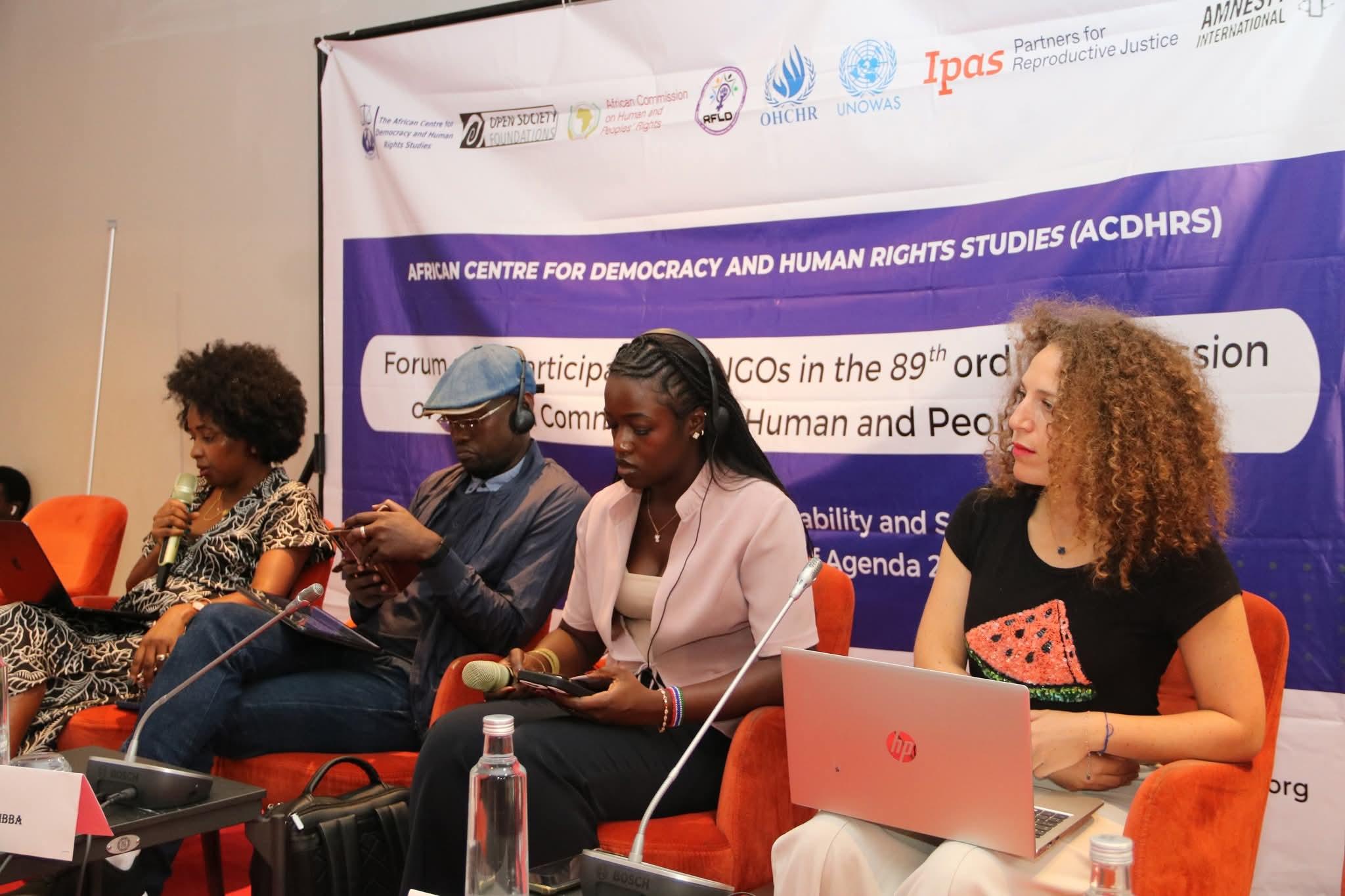
At the NGO Forum ahead of the 89th session of the African Commission, a high-level panel discussion tackled the growing issue of transnational repression in Africa.
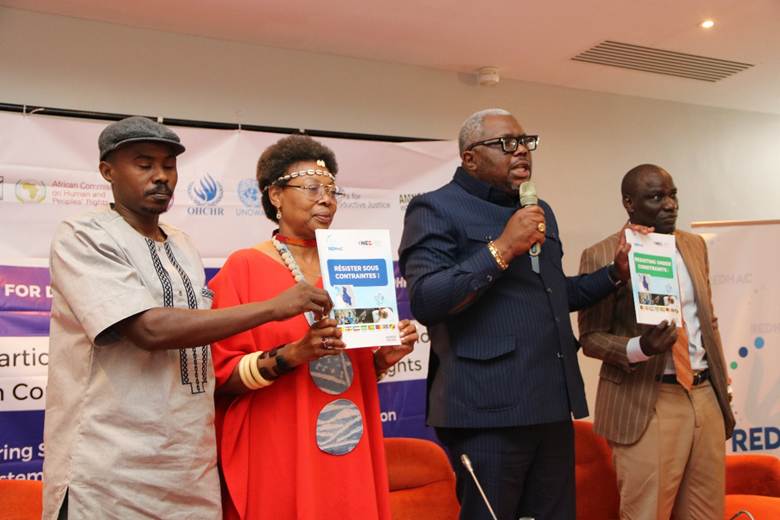
Ahead of the 89th session of the African Commission on Human and Peoples' Rights, the NGO Forum convened a panel on cross-border issues affecting human rights defenders in Central Africa and presented a new publication.