The joint report builds the case of prosecution of gender persecution as per the Rome Statutes, expressing the ‘critical concern’ that women and girls are being ‘targeted for gender persecution because of their sex characteristics and because of the social constructs and criteria used to define gender roles, behaviour, activities and attributes’.
The experts believe this also gives rise to concerns that the Taliban may be responsible for gender apartheid, which although not yet an explicit international crime, points to the need for the development of ‘legal standards and tools’ on gender apartheid as a crime against humanity.
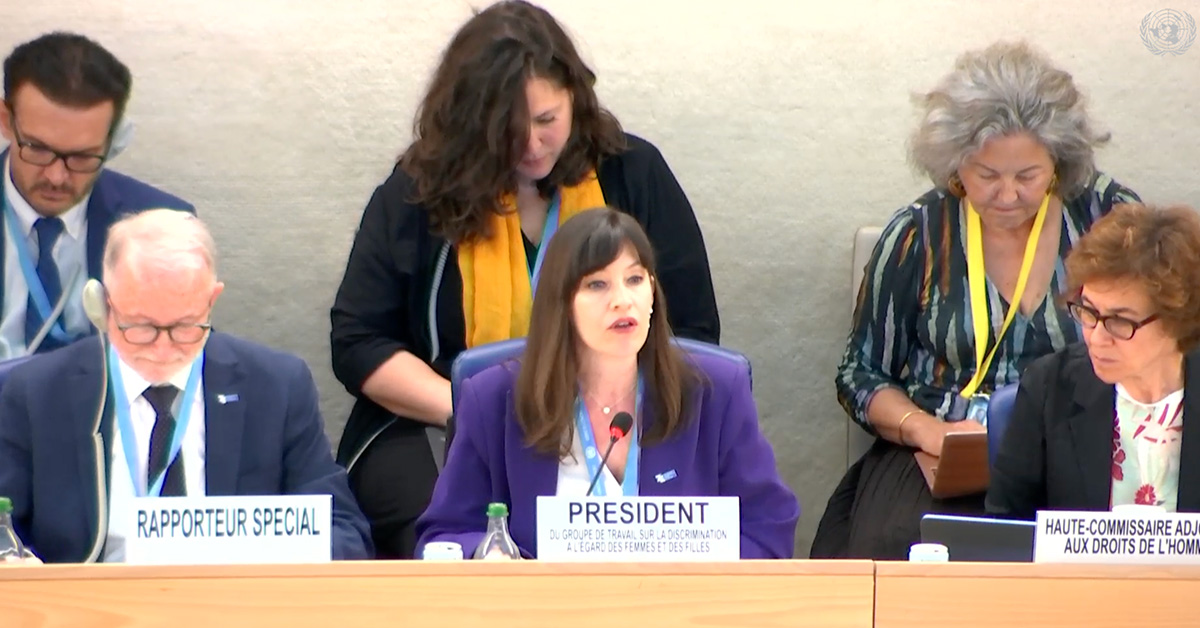
Richard Bennett, the Special Rapporteur, highlighted the following key recommendations from the report:
- Ensure women and girls are included as equal partners in all deliberations and decision forums relating to Afghanistan, and that their situation is central to all policy considerations and engagement with the de facto authorities. In their words, ‘talk to me not about me’;
- Continue to support access to education for girls and to call for the immediate reopening of schools and universities with curricula that meet international standards;
- Support women-led organisations working on human rights and gender equality in Afghanistan both politically and with accessible long-term flexible funding;
- Protect and support Afghan women and girls seeking refuge inside and outside Afghanistan, facilitating their safe resettlement, expanding educational scholarships and opportunities and mental health services;
- Take measures to ensure that gender persecution is fully investigated and perpetrators are brought to justice; and
- Mandate a report on gender apartheid with a view to both recognising it and ending it.
South Africa’s representative at the Council supported UN Experts’ reflections on the consideration of a gender apartheid framing: ‘My delegation therefore calls on the international community to take action against what the report describes as ‘gender apartheid’, much like it did in support of South Africa’s struggle against racial apartheid,’ she said.
The deputy permanent representative of the government of Namibia further supported the call to the Human Rights Council to mandate a report ‘on gender apartheid as an institutionalised system of discrimination, segregation, humiliation and exclusion of women and girls in Afghanistan’.
Statements from Afghan women human rights defenders pointed to the continued lack of serious and sustained attention of the international community despite the grave situation in Afghanistan. Their interventions demonstrated that the urgent need for an accountability mechanism has not diminished.
The enhanced interactive dialogue also paid tribute to the resistance of so many Afghan women whose determination to continue to exercise their rights through creative, peaceful initiatives deserve to be nourished and supported.
Download as PDF