HRC56: calls for stronger commitment to racial justice, equality, ending systemic racism
At the Human Rights Council, the Special Rapporteur on contemporary forms of racism called for a second International Decade for People of African Descent, exchanging with States and defenders on ways promote racial equity.
On 8 July 2024, during the 56th session of the Human Rights Council, the Special Rapporteur on contemporary forms of racism, Ashwini K.P., presented three reports: the first, on her visit to the United States of America, the second on artificial intelligence and racial discrimination, and the third addressing combating the glorification of Nazism, neo-Nazism and related ideologies. Referring to her report on the visit to the United States of America, she said that ‘it has become abundantly clear that persistent, multifaceted and mutually reinforcing forms of systemic racism and racial discrimination remain and that it will take time for current government initiatives to translate into significant improvements in the lived experiences of the individuals most affected’. In this context, the Special Rapporteur also called for the full and effective implementation of the recommendations made by human rights mechanisms for racial justice, such as the Committee on the Elimination of Racial Discrimination (CERD), the Human Rights Committee, and the Expert Mechanism to Advance Racial Justice and Equality in Law Enforcement (EMLER).
The mandate holder expressed support for a second International Decade for People of African Descent, starting in 2025, emphasising the importance of focusing on the lived experiences, knowledge and expertise of people of African descent and meeting their expectations and needs in order to ‘do restorative justice for the wrongs of the past’.
At an interactive dialogue following the presentation of these reports, Brazil’s representative delivered a statement on behalf of Latin-American countries presenting support for a second Decade and underlining the need to collect disaggregated data to legitimise the use of artificial intelligence and combat systemic racism as well as to address the impact of this technology on individuals and groups exposed to vulnerabilities as people of African descent, Indigenous peoples and migrants.
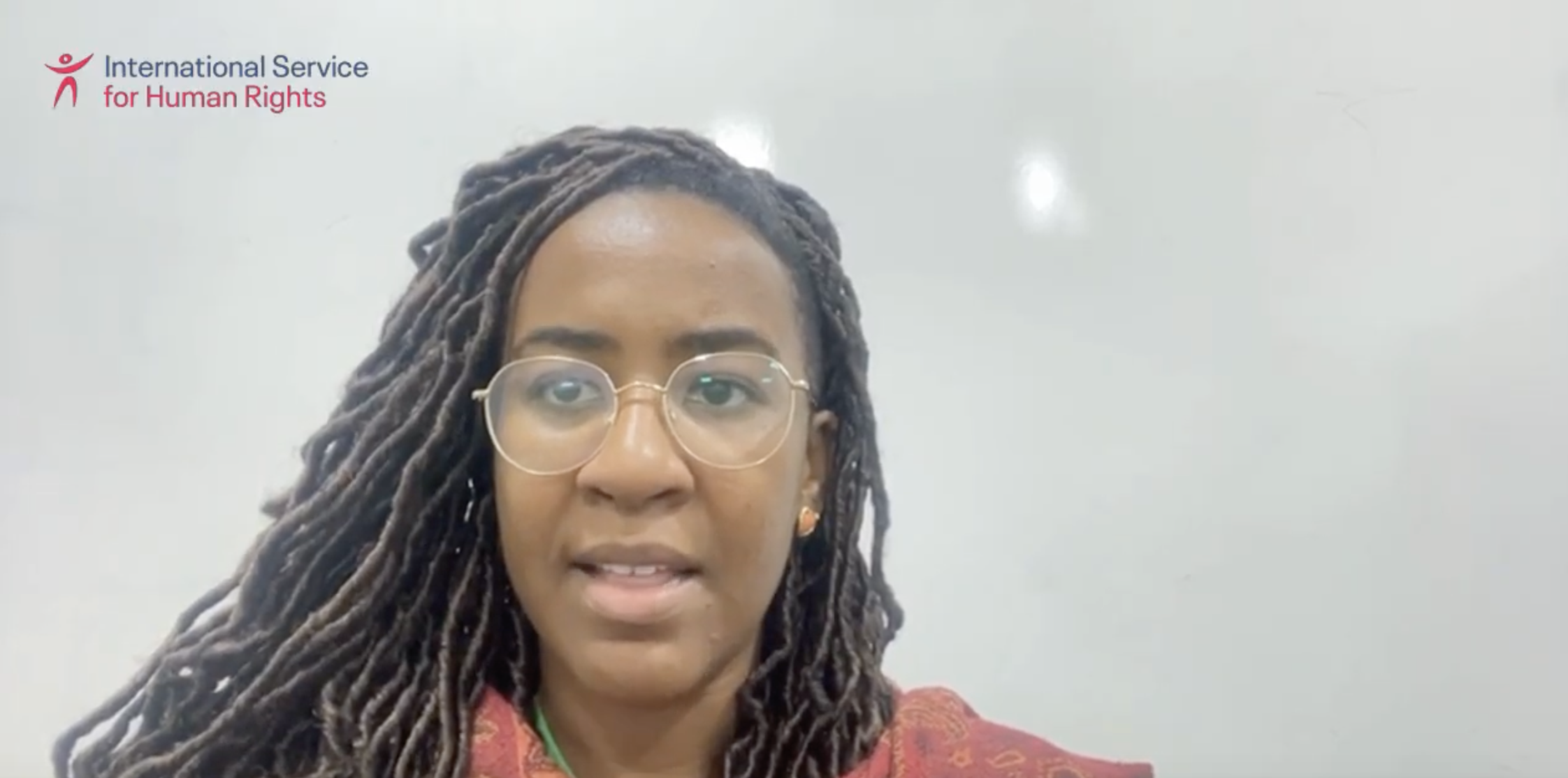
Two members of the United Nations Antiracism Coalition (UNARC) – Redes da Maré and Conexão G – read a statement on behalf of ISHR, pressing the Brazilian government to carry out deep police reforms and encouraging the Special Rapporteur to cooperate with EMLER in developing methodologies for the implementation of effective accountability mechanisms that protect the rights of Afrodescendants living in peripheral territories, such as favelas in Rio de Janeiro.
Read ISHR’s full statement here and see the video below:
Ahead of the 89th session of the African Commission on Human and Peoples’ Rights, the NGO Forum convened an inaugural panel on advancing water justice and democratic inclusion for Communities Discriminated on Work and Descent in Africa.
UN experts officially warned Russian authorities they were looking at allegations of laws placing strict and discriminatory burdens on the work of Indigenous rights groups and activists.
A panel the impact on the rights of persons with albinism and disabilities in Africa explored the disproportionate impact of climate change on marginalised communities and the urgent need for inclusive, rights-based climate action.