HRC62: Trafficking at the Dominican-Haitian border
Organisations denounce the rise in trafficking along the Dominican-Haitian border, affecting particularly migrant women and children in vulnerable situations.
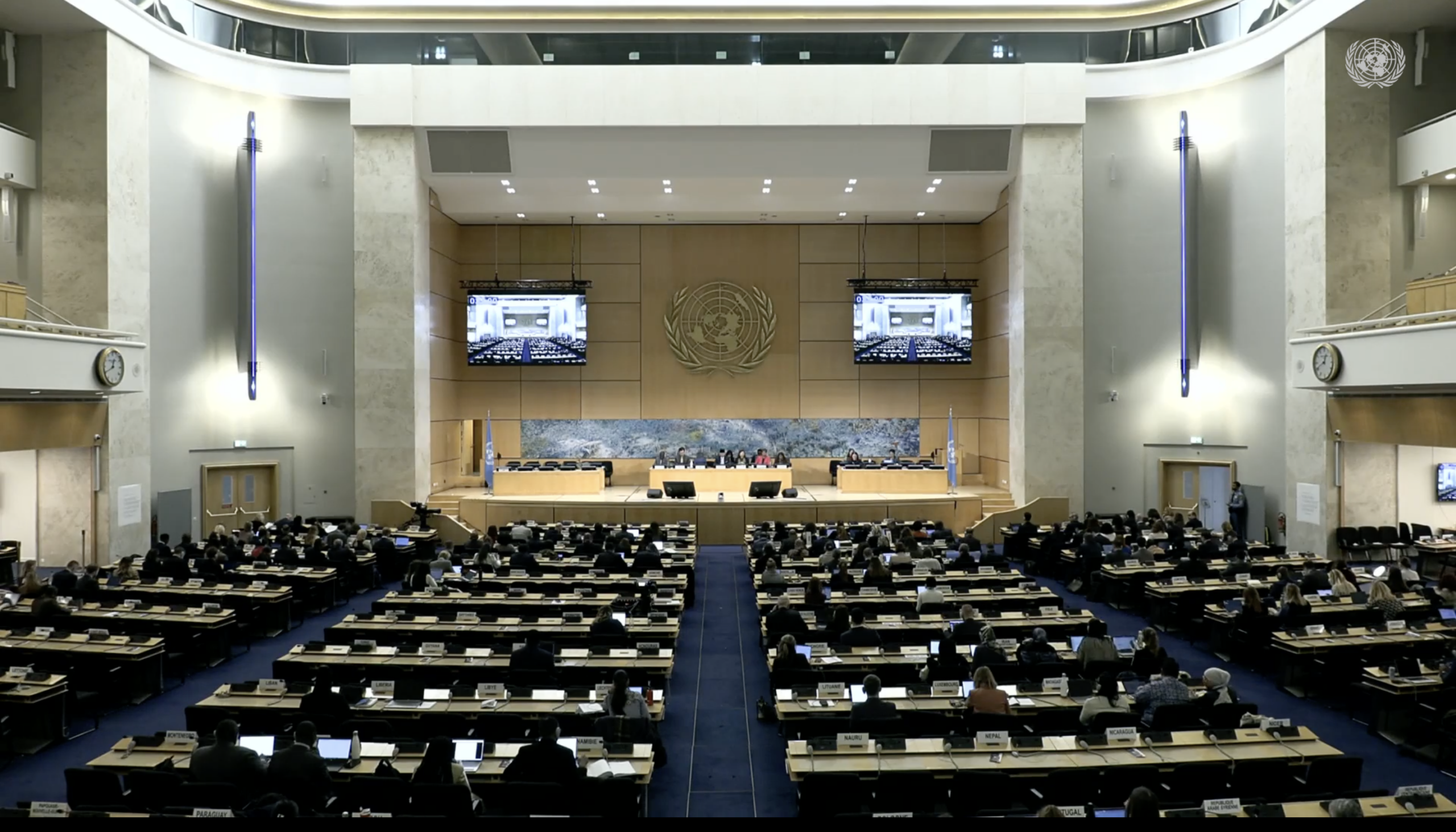
On 22 June, the Special Rapporteur on trafficking in persons presented her report on the rights of migrant children, refugees, asylum seekers and stateless children who are victims of trafficking or at risk of becoming so
In the report, the Special Rapporteur confirms realities that human rights defenders have been denouncing for years and which have been documented by various international publications: Children are particularly vulnerable in contexts where ‘racial discrimination shapes border control and migration management’.
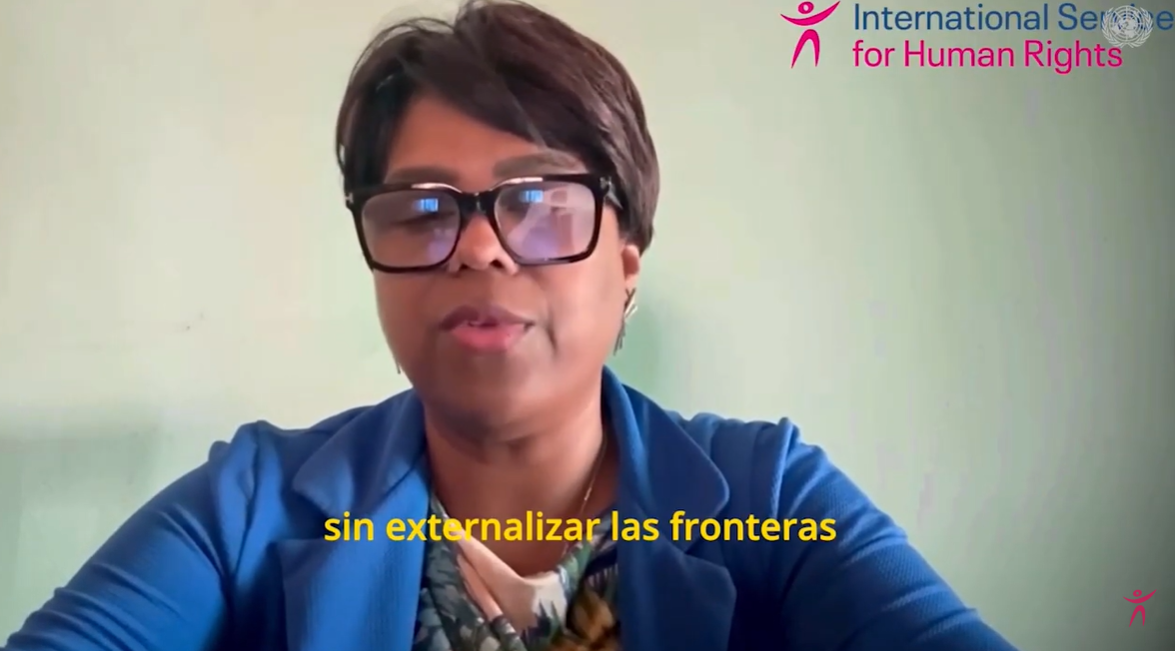
During the interactive dialogue, María Bizenny Martínez, a representative of MOSCTHA and co-founder of the Dominican Coalition for Human Rights and Racial Justice, delivered a statement on behalf of organisations working to defend human rights in the Dominican Republic and the Caribbean region, including ISHR.
In the statement, the organisations emphasised that the situation in Haiti and its socio-political context are a consequence of the slave trade and colonialism, which have left a legacy of impoverishment, violence, marginalisation and precariousness that persists to this day.
‘Haiti has never stopped paying for its freedom,’ stated Martínez.
The statement urged States to guarantee access to legal documentation and to create flexible migration pathways within the framework of orderly, regular and safe mobility, and called for technical support from the Special Rapporteur on trafficking in persons for community organisations working on the front line to combat trafficking and defend rights.
Find the statement transcript below:
Madam Rapporteur, State delegates and distinguished representatives of civil society: I am María Bizenny Martínez, representative of MOSCTHA and co-founder of the Dominican Coalition for Human Rights and Racial Justice.
I am speaking on behalf of the organisations working to defend human rights in the Dominican Republic and the Caribbean region.
As mentioned in the report, the rise in human trafficking along the Dominican-Haitian border is not an isolated phenomenon. This crime has increased due to the new stance taken by states to introduce more restrictive and less humane immigration policies. National sovereignty, security policies, racial profiling, arbitrary detentions, deportations without safeguards or due process, family separation and barriers to accessing international protection are all factors that fuel this problem.
Haiti’s case and its socio-political situation are a legacy of the slave trade and colonialism, which have left a legacy of impoverishment, violence, marginalisation and precariousness that persists to this day. The colonial powers have never ceased to make Haiti pay for its freedom. These factors drive Haitians to leave their country, increasing their vulnerability to traffickers.
Dysfunctional economic systems and administrative corruption, which fail to provide safeguards to address social, environmental and economic factors as well as internal violence, lead to people being subjected to forced displacement, making them easy prey for traffickers.
It should be noted that human trafficking particularly affects women, girls and boys in vulnerable situations, as well as migrants, the impoverished, stateless persons and those without documentation.
We therefore call on States to:
Strengthen legal frameworks to ensure effective sanctions against traffickers and genuine protection for victims. To this end, there is an urgent need to introduce witness protection laws in countries where they do not yet exist.
Guarantee access to legal documentation and create flexible migration pathways within the framework of orderly, regular and safe mobility.
Strengthen public policies that address the structural causes of trafficking, including social exclusion, structural discrimination, lack of documentation and national identity, as well as a lack of educational and employment opportunities.
Furthermore, we call on the Special Rapporteur to provide technical support to community organisations working on the front line to combat trafficking and defend rights.
It is also essential to guarantee the rights of migrants and refugees, who are disproportionately affected by this scourge.
Finally, it is imperative to strengthen international cooperation, without externalising borders. States must work together to protect people on the move, not to criminalise them.
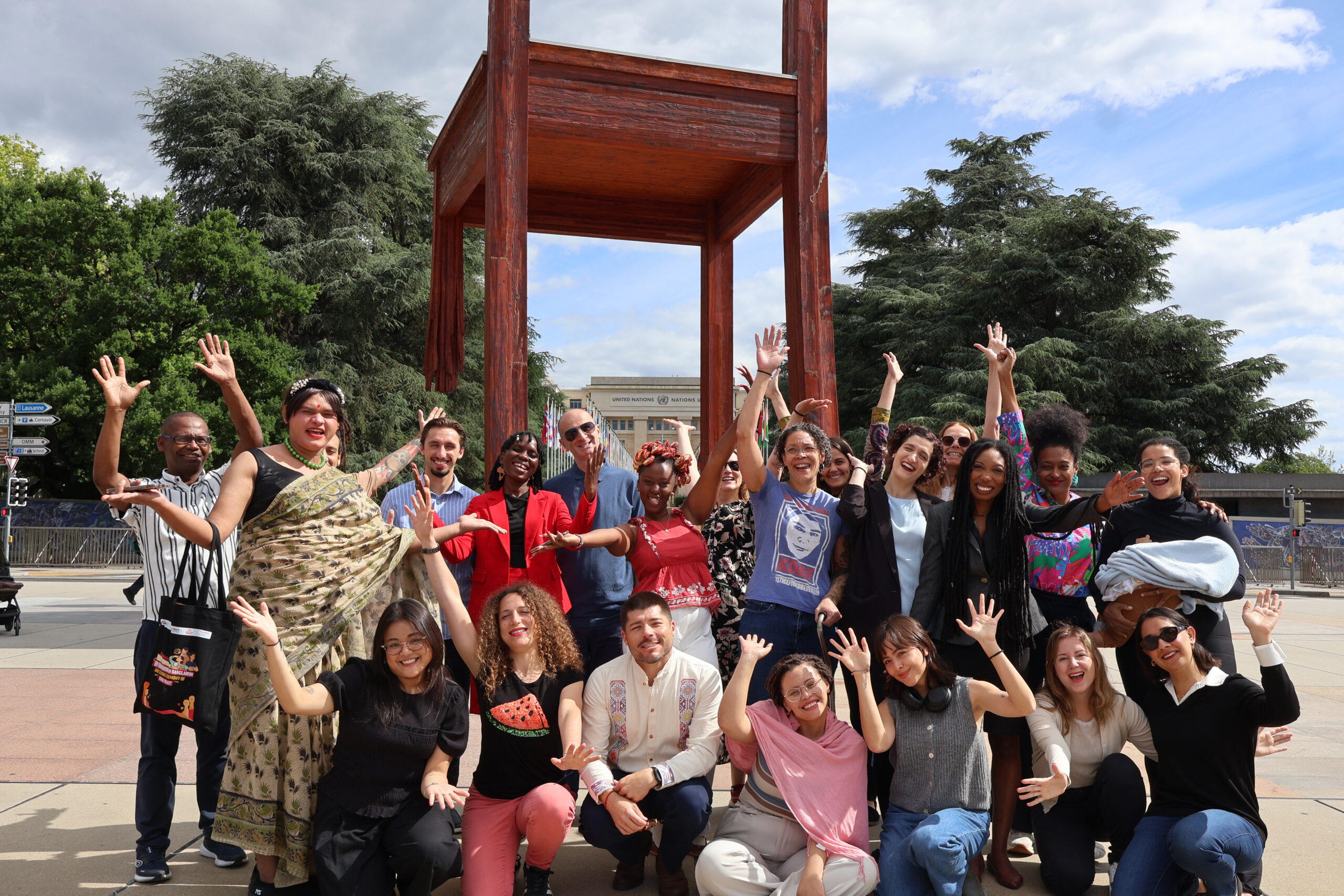
This year eleven activists completed ISHR’s flagship training, the Human Rights Defender Advocacy Programme, to strengthen their advocacy skills and develop an individual roadmap to push for change in their country.
At the 62nd Human Rights Council session, civil society organisations shared reflections on key outcomes and highlighted gaps in addressing crucial issues and situations.
On the sidelines of the 62nd session of the Human Rights Council, defenders and activists examined how systemic discrimination and democratic backsliding are deeply intertwined. Drawing on lived experience, speakers argued that marginalised communities are often the first to detect authoritarian practices, and offered concrete recommendations for building more inclusive, resilient democracies.