HRC63: Defenders in Sierra Leone call for stronger protection legislation
On 28 September, a delegation from the Government of Sierra Leone presented its fourth report under the Universal Periodic Review to the Human Rights Council. Of the 310 recommendations received, Sierra Leone 'took note' of 39 and accepted 271, of which 19 on the protection of human rights defenders and their working environment.
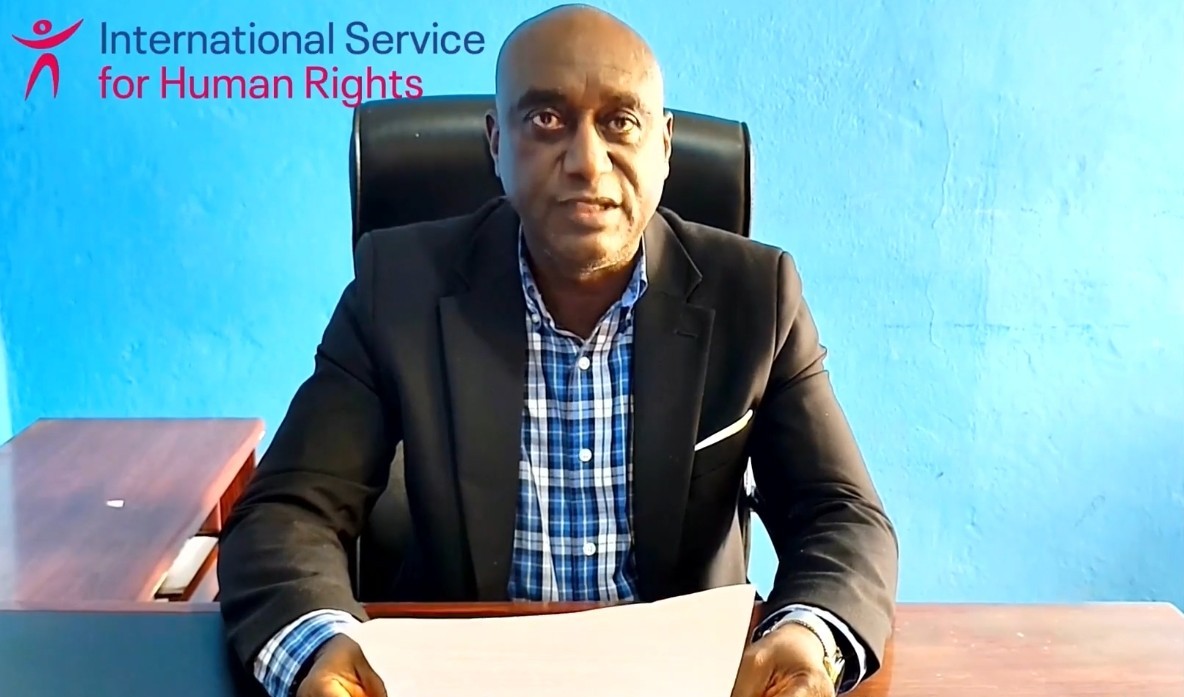
During the UPR adoption of Sierra Leone at the 63rd session of the Human Rights Council, Alphonsus Gbanie from Human Rights Defenders Network Sierra Leone delivered a statement on the current situation of human rights defenders in the country following the joint reportsubmission with ISHR.
The statement denounced the attacks and intimidations that persists against human rights defenders, journalists, women activists and political dissenters. Gbanie also expressed his concerns on provisions of the cybersecurity legislation that continue to put freedom of expression under threats.
Gbanie also highlighted the case of imprisonment of activist Zainab Sheriff, the detention of artist Hawa Hunt for speech-related offences, and the arbitrary detention and judicial harassment of defenders Prince Tommy Williams and Mohamed Turay.
Finally, its was recommended that the State party, in line with its international obligations:
Adopt the national legislation on the recognition and the protection of human rights defenders.
Protect human rights defenders from intimidation and harassment, and ensure that police and other state institutions facilitate, rather than obstruct, legitimate human rights work.
Respect and protect civic space according to international standards and the commitment of the state party.
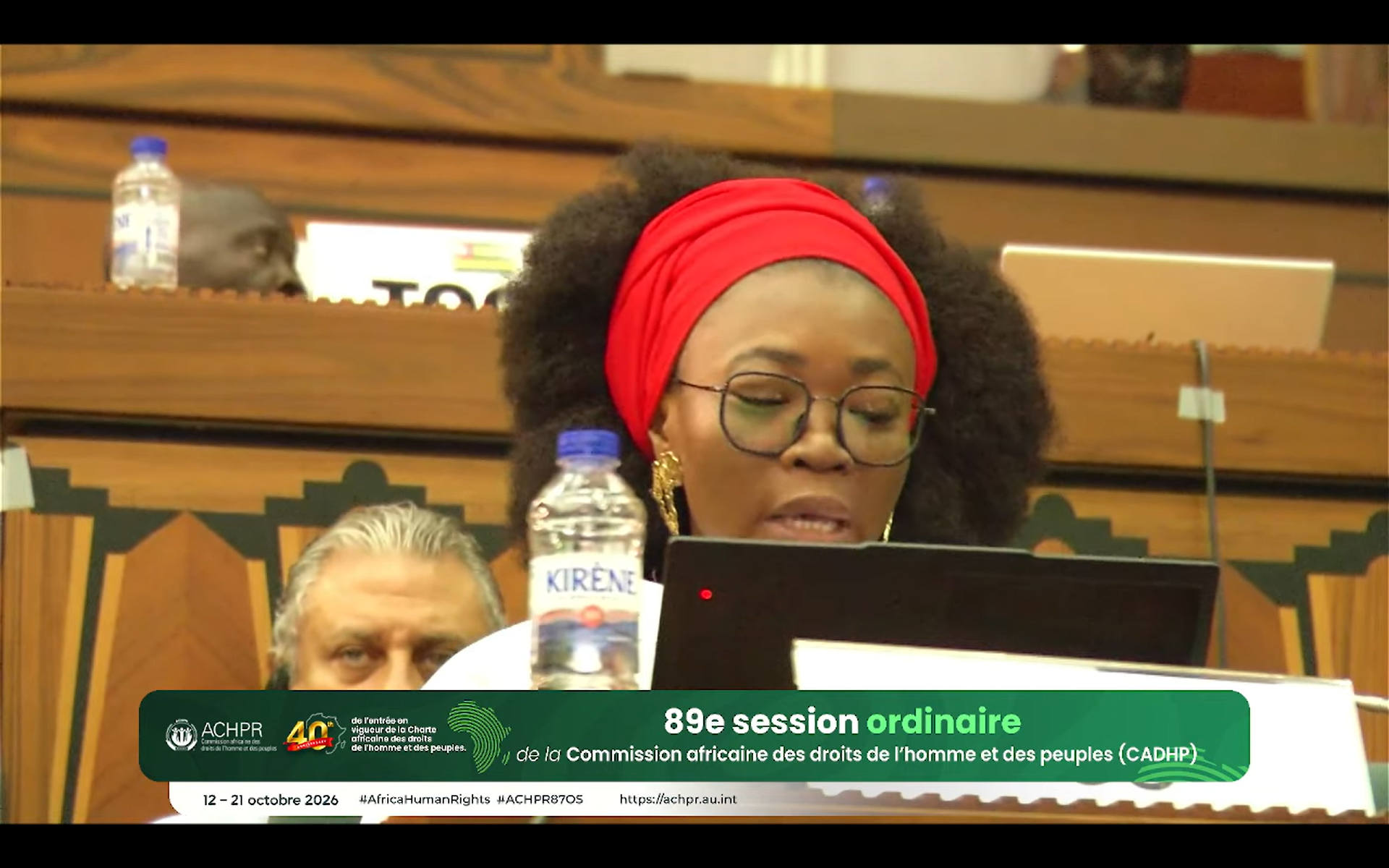
During the 89th ordinary session of the African Commission on Human and Peoples Rights (‘the African Commission’), ISHR shared concerns about the situation of human rights defenders in Cameroon, Zambia and Guinea, especially in regards to the restrictive legal framework they work in and drew their attention to the state of civic space in Africa.
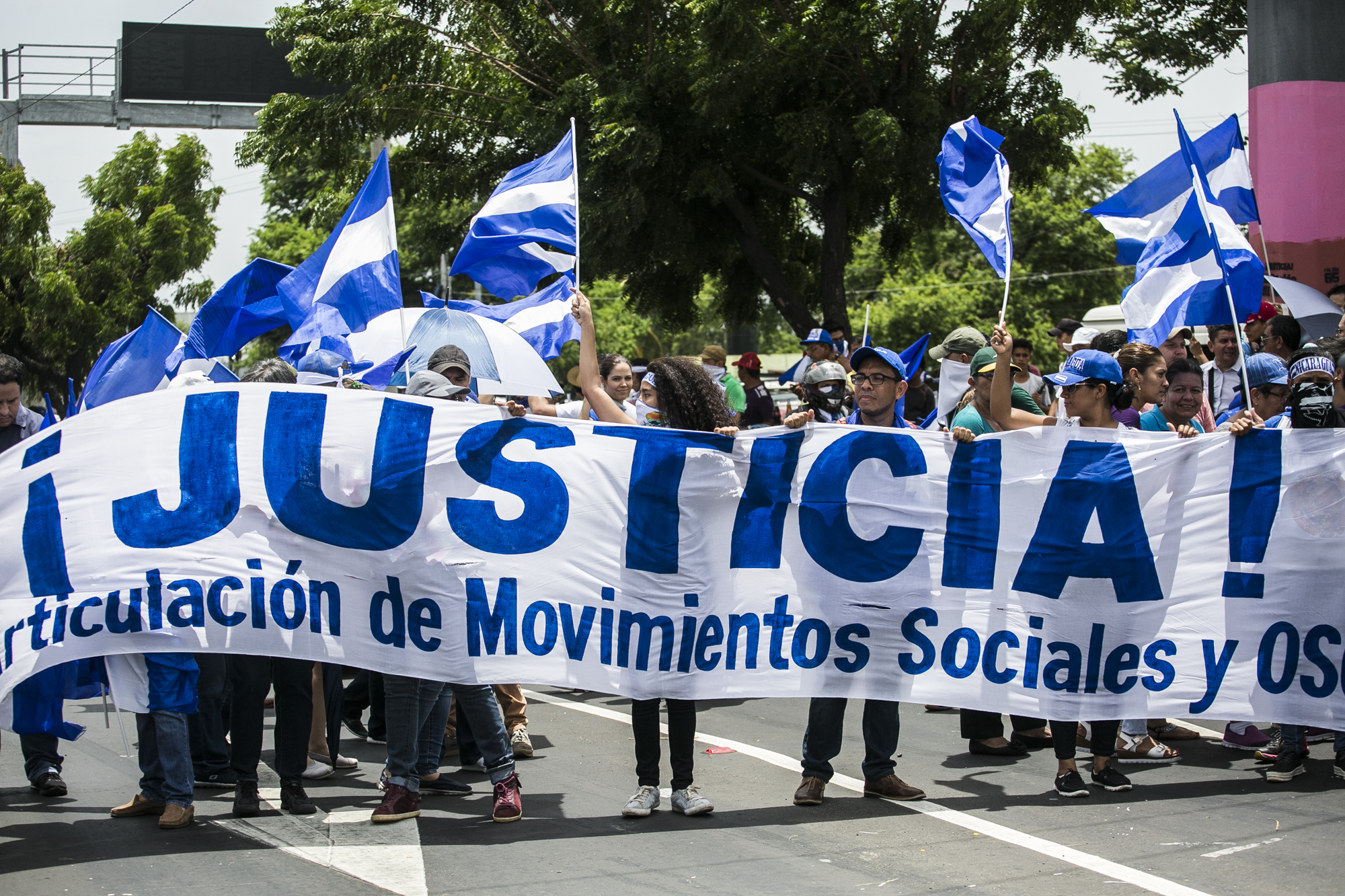
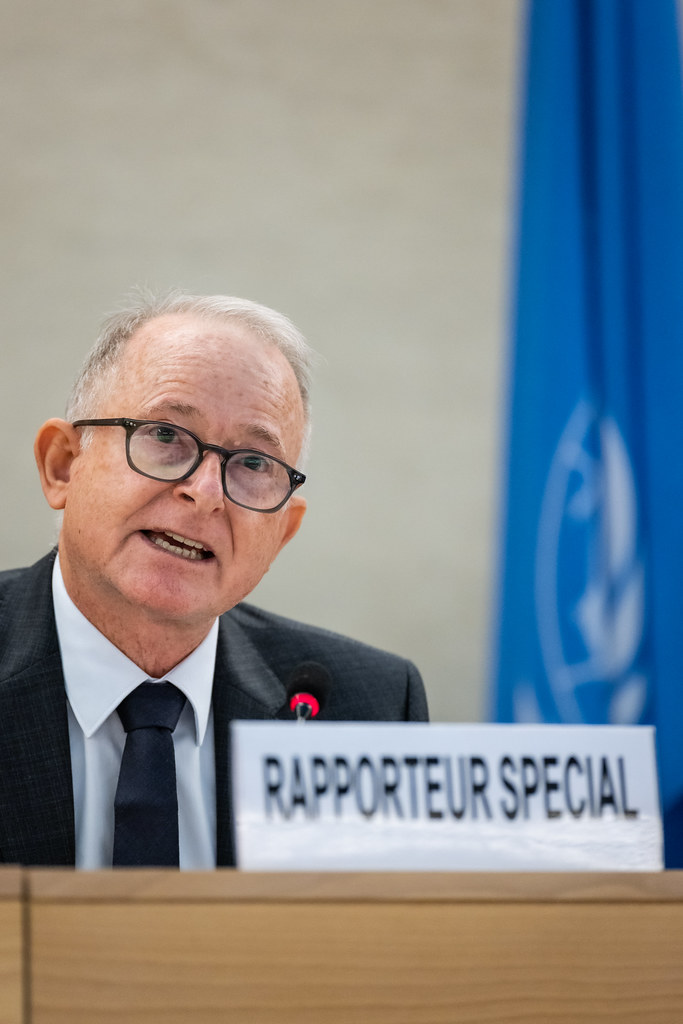
At the Human Rights Council's session, 47 States jointly denounced the dismantling of democracy in Nicaragua, while UN experts presented new evidence of systematic repression, enforced disappearance and deaths in State custody.
The Human Rights Council has renewed the mandate of the Special Rapporteur on Afghanistan for another year, maintaining dedicated scrutiny of the rights of women and girls. ISHR welcomes the renewal and calls on States to make sure the new Independent Investigative Mechanism for Afghanistan is up and running without delay.