HRC63: States must protect Indigenous territories and defenders of natural and cultural heritage
At the Human Rights Council, ISHR and CONTIOCAP warned that environmental destruction threatens Indigenous Peoples’ lives including natural and cultural heritage. States must respect their right to self-determination and end the criminalisation of Indigenous defenders.
On 23 September, ISHR and the Coordinadora Nacional de Defensa de Territorios Indígenas Originarios Campesinos y Áreas Protegidas (CONTIOCAP) from Bolivia, delivered a statement during the 63rd Human Rights Council session annual panel discussion on the rights of Indigenous Peoples. This year’s panel focused on the Convention for the Protection of the World Cultural and Natural Heritage: Indigenous Peoples’ rights and engagement.
The statement stressed that damage to Indigenous lands and sacred rivers also threatens cultural heritage, traditional knowledge and ways of life. The statement drew attention to mining, forest fires, oil exploration, hydroelectric projects and waterways that are affecting territories and natural resources on which Indigenous communities depend.
The statement highlighted the impact of mercury contamination on Indigenous communities, including women and children. This concern has already been echoed by various Special Procedures stating that the lack of adequate legislation to regulate the use of mercury in artisanal gold mining is impacting not only the environment but also the enjoyment of human rights of Indigenous communities. Moreover, mining is also increasing in Indigenous territories and in particular in the context of extraction of critical minerals needed for the energy transition.
Between 2019 and 2025, forest fires in Bolivia have consumed more than 30 million hectares of forest. The statement links this to the destruction caused by the expansion of agribusiness in some territories, with losses of biodiversity, native seeds and the destruction of the homes of Indigenous Peoples living in isolation.
Oil exploration, hydroelectric projects and waterways were also identified as threats to water resources which are considered sacred for many Indigenous communities who have a close and spiritual relationship with them.
Protecting Indigenous defenders
The statement also drew attention to the criminalisation and harassment of Indigenous defenders. People who protect their lands, rivers and communities can face threats, violence and loss of life. The attacks against Indigenous defenders and communities would also result in the loss of lives and with this, the loss of cultural memory and identity.
The organisations called on States to:
ensure that Indigenous Peoples can defend their rights safely by ending the criminalisation and harassment of Indigenous Peoples
safeguard life, respect Indigenous Peoples’ self-determination and uphold international standards, referring specifically to the International Labour Organization’s (ILO) Indigenous and Tribal Peoples Convention (No. 169)
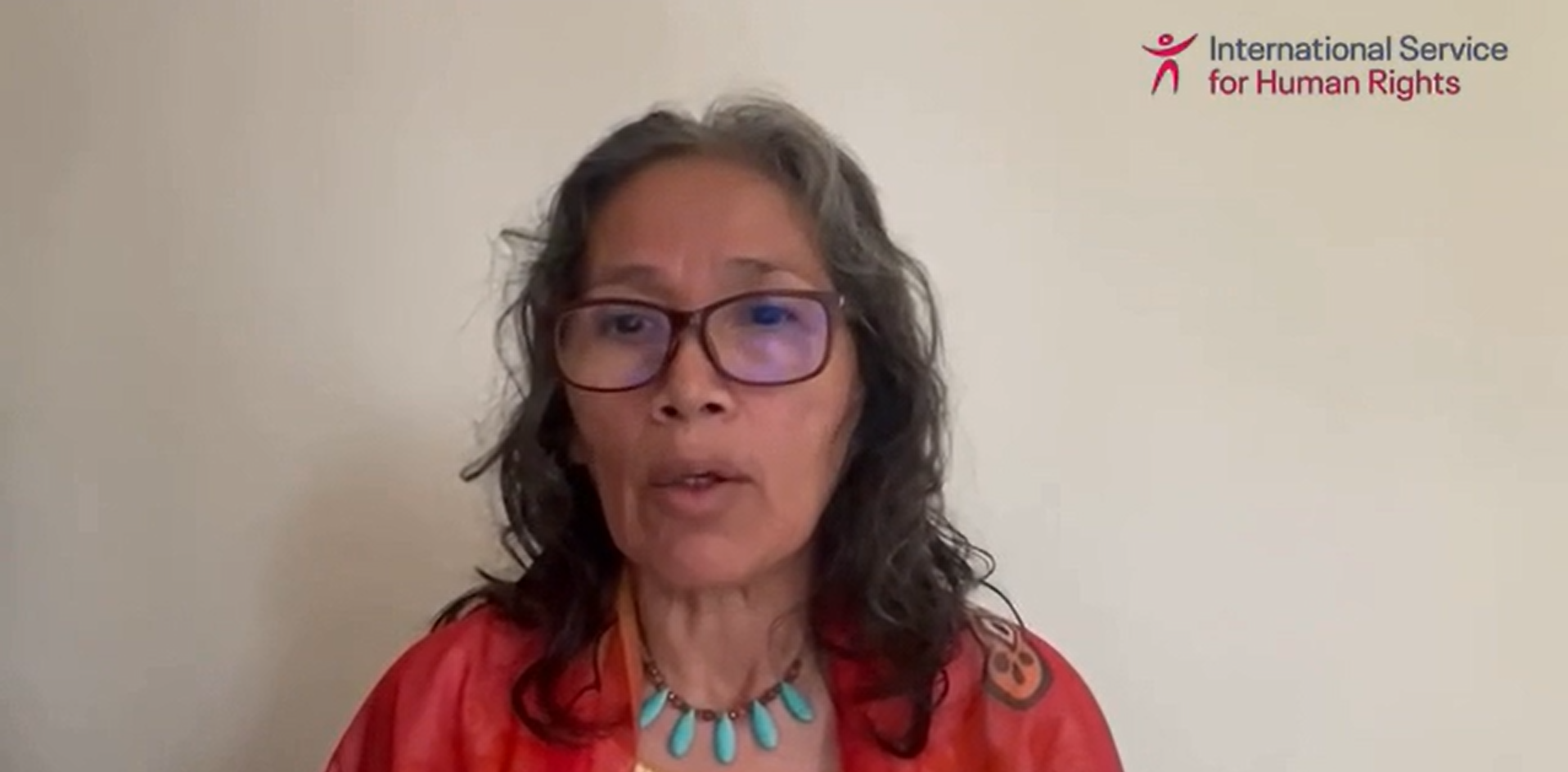
The statement was delivered by Ruth Alipaz, an Indigenous woman defender from Bolivia and member of the CONTIOCAP. Watch the full statement:
Author
Diego Perez Scheel
Diego Perez Scheel has recently joined ISHR as an intern. Diego is a Guatemalan law student at Universidad Rafael Landívar. Before joining ISHR as a Programme Intern (Geneva), he worked on human rights issues including migration, Indigenous peoples’ rights, environmental protection and access to justice through advocacy competitions and volunteer initiatives.
Author
Ulises Quero
Ulises leads the work on business, environment, and land at ISHR.
Ahead of the 89th session of the African Commission on Human and Peoples’ Rights, the NGO Forum convened an inaugural panel on advancing water justice and democratic inclusion for Communities Discriminated on Work and Descent in Africa.
UN experts officially warned Russian authorities they were looking at allegations of laws placing strict and discriminatory burdens on the work of Indigenous rights groups and activists.
The panel discussion titled “Invisible in the Climate Crisis: The Impact of Climate Change on the Human Rights of Persons with Albinism and Disabilities in Africa” highlighted the disproportionate impact of climate change on marginalised communities and the urgent need for inclusive, rights-based climate action.