
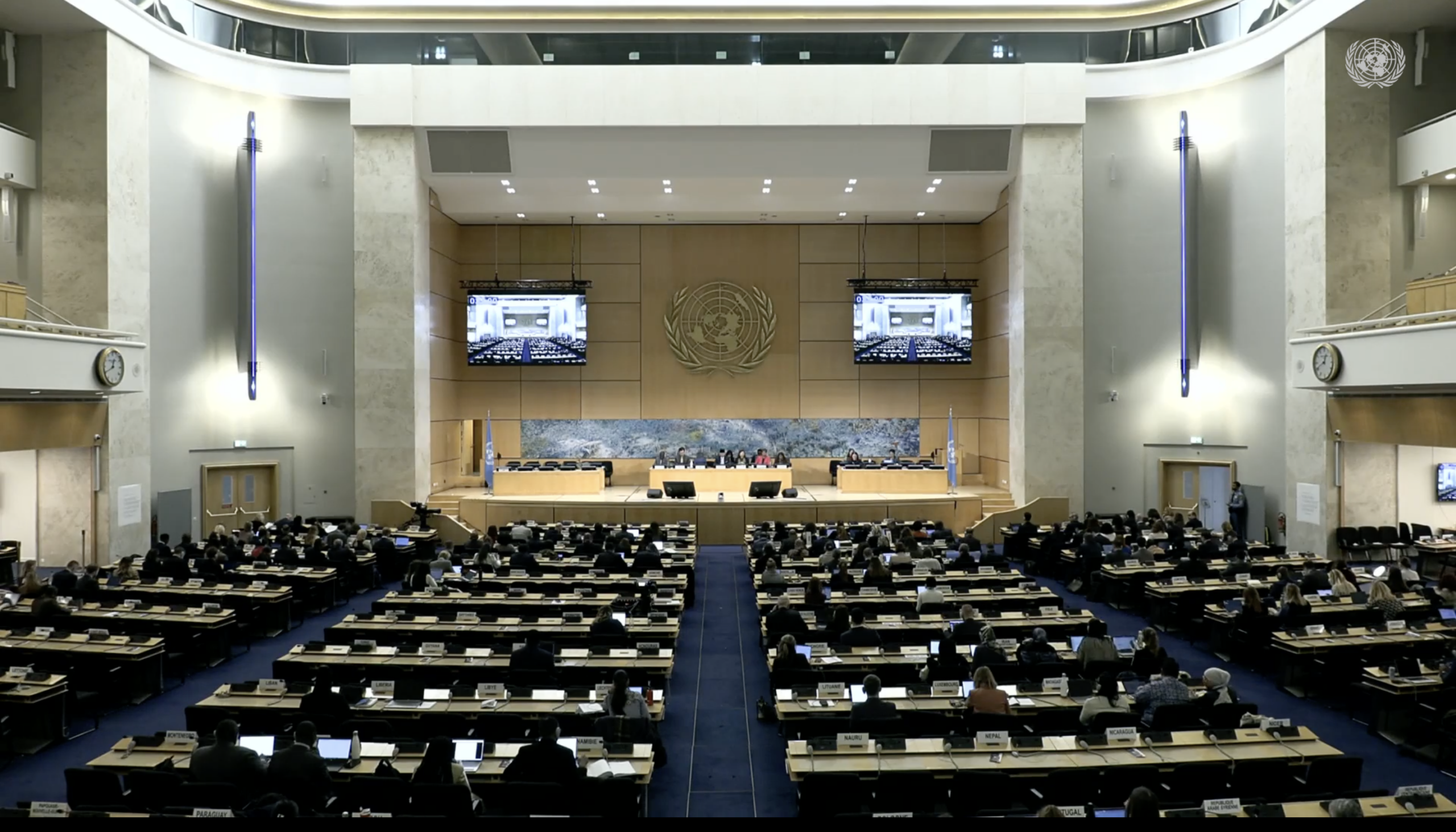
HRC62: Civil society presents key takeaways from the session
At the 62nd Human Rights Council session, civil society organisations shared reflections on key outcomes and highlighted gaps in addressing crucial issues and situations.
HabeschaMedia for ISHR

ISHR calls on States to renew the mandate of the Working Group on peasants, preserving a dedicated UN mechanism to support implementation of the rights of those working in rural areas.
At its 63rd session, the UN Human Rights Council is considering whether to renew the mandate of the Working Group on the rights of peasants and other people working in rural areas.
ISHR calls on Council members to renew the mandate, under the same conditions as established in Resolution 54/9 so that it can continue supporting implementation and monitoring of the situation of the rights of peasants and other people working in rural areas in line with the United Nations Declaration on the Rights of Peasants and Other People Working in Rural Areas (UNDROP) and other international human rights standards.
The Council established the Working Group in 2023 for three years. Since then, its five independent experts have identified emerging trends and risks for peasants, fisherfolks, pastoralists and other rightsholders in rural areas.
The Working Group has also identified various human rights abuses and have made recommendations for State and non-State actors to improve the situation of peasants and those living in rural areas. The latest reports on participation and seeds have already identified emerging good practices not only from grassroot movements, but also from governments.
Peasants and other people working in rural areas, especially women farmers, can face interconnected challenges involving land and other rights like adequate food, adequate housing, decent work, and other existing human rights.
The Working Group’s mandate allows it to develop recommendations informed by rights holders and other relevant actors, and engage with authorities to identify solutions
As UNDROP explains, Article 1 covers 1.2 billion diverse rural communities and workers. It includes people engaged in small-scale agriculture, crop planting, livestock raising, pastoralism, fishing, forestry, hunting, gathering, and agricultural handicrafts. Its scope also includes transhumant, nomadic and semi-nomadic communities, and landless people engaged in the activities it specifies. Hired workers are covered too, including migrant workers regardless of migration status and seasonal workers in the sectors listed in Article 1.
Rural workers and other rights-holders under the UNDROP feed our society, contribute to rural development, and steward our land, sea and environment. This should shape participation in rural, agricultural and environmental policymaking.
States should ensure that people affected by decisions can participate actively, freely, effectively, meaningfully, and with access to information. The Working Group has already identified the need to protect the participation and the ability of rural people and their organisations to raise concerns, organise, and contribute to public decisions safely.
While the Declaration provides a framework for addressing human rights in agricultural and rural policy. The Working Group has identified that its provisions on land, seeds, food sovereignty, and local markets offer starting points for reviewing laws and policies with affected communities and those defenders protecting the interconnected rights within the scope of the Working Group.
A lot is still to be done to guarantee those rights and the unique expertise of the Working Group members would help to breach that gap.
The Renewal of the mandate would preserve the functions established in Resolution 54/9: supporting implementation, sharing good practices, facilitating technical cooperation, and coordinating with other UN mechanisms.
It would also preserve a dedicated avenue for rights holders and rural organisations and defenders to engage with experts from different regions in what is the only specialised entity within the UN system to address issues related to peasants and rural workers.
ISHR calls on all Human Rights Council members to renew the mandate of the Working Group on peasants under the same conditions established by Resolution 54/9 and with adequate resources to implement its mandate. States should cooperate fully with the Working Group, support meaningful and safe participation by those collaborating with the mandate, and consider and implement its recommendations.
At the 62nd Human Rights Council session, civil society organisations shared reflections on key outcomes and highlighted gaps in addressing crucial issues and situations.
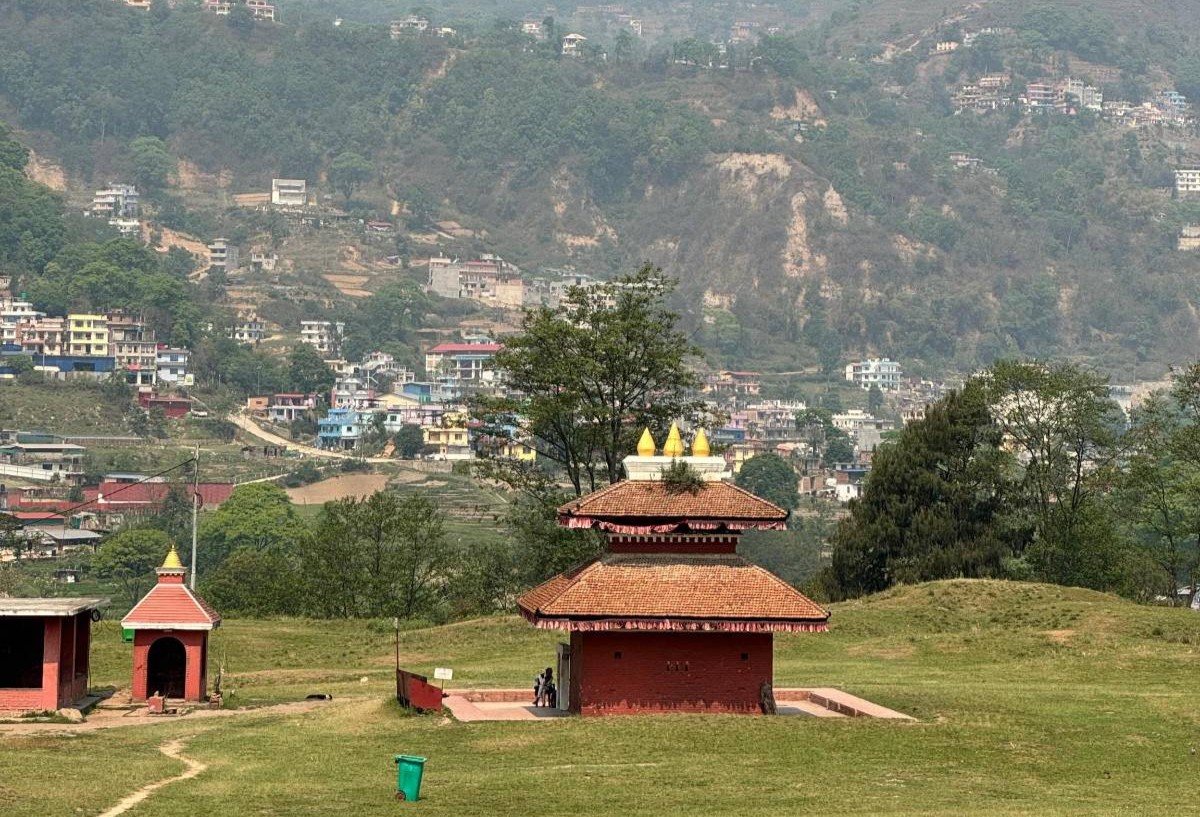
Despite Nepal’s international commitments, human rights violations against Indigenous Peoples continue. The new government has an opportunity to align its laws with international standards, ensure consent for projects affecting Indigenous communities, and protect the right to peaceful protest and the right to defend rights.
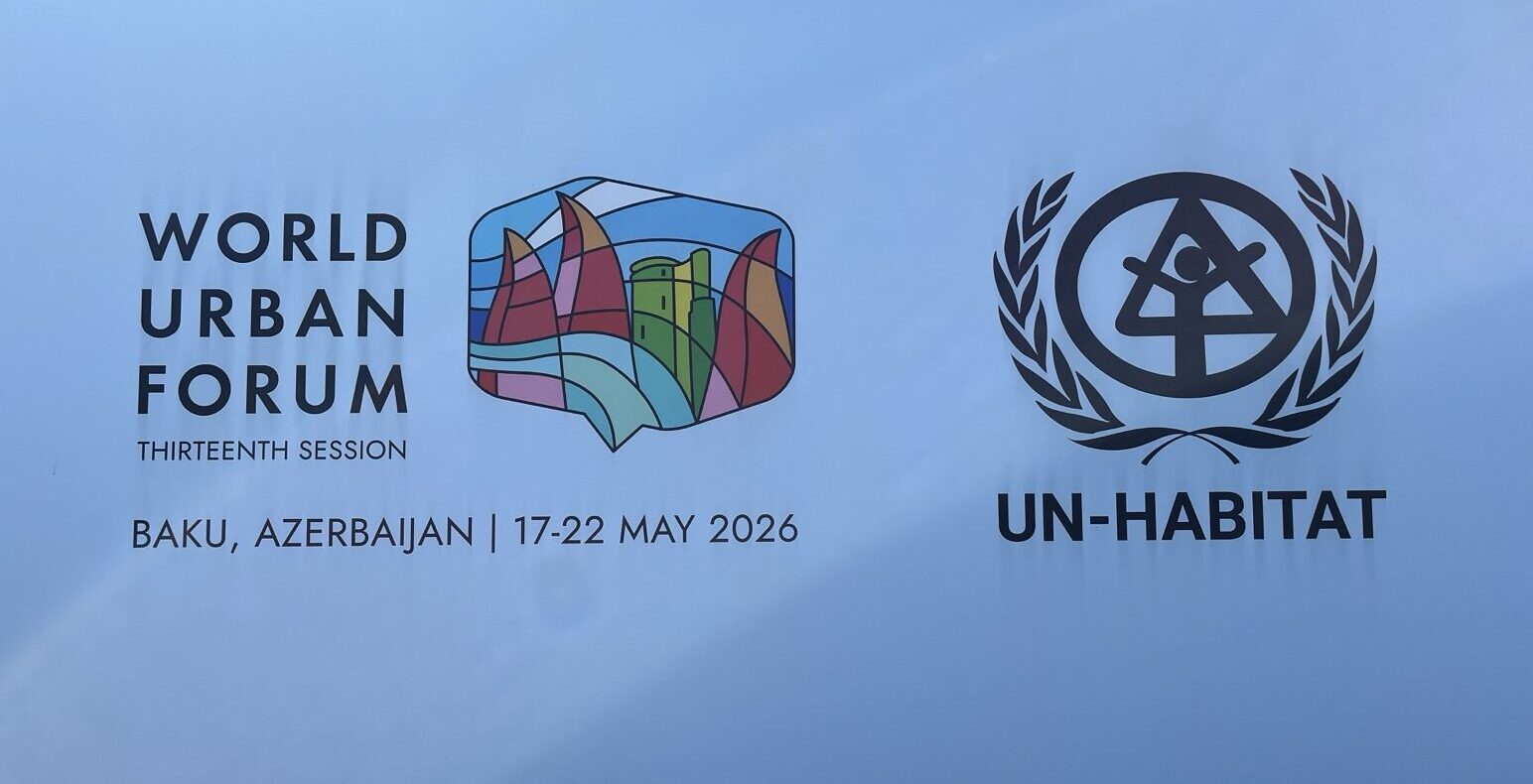
At the 13th World Urban Forum, the first Indigenous Peoples Caucus called for recognition of Indigenous Peoples’ rights, including self-determination, meaningful participation, protection of Indigenous defenders and culturally appropriate housing.