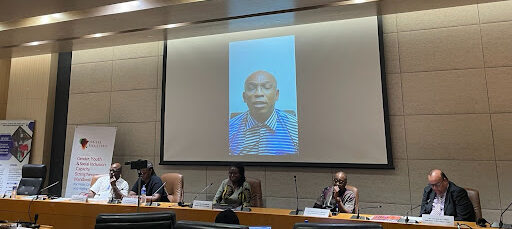
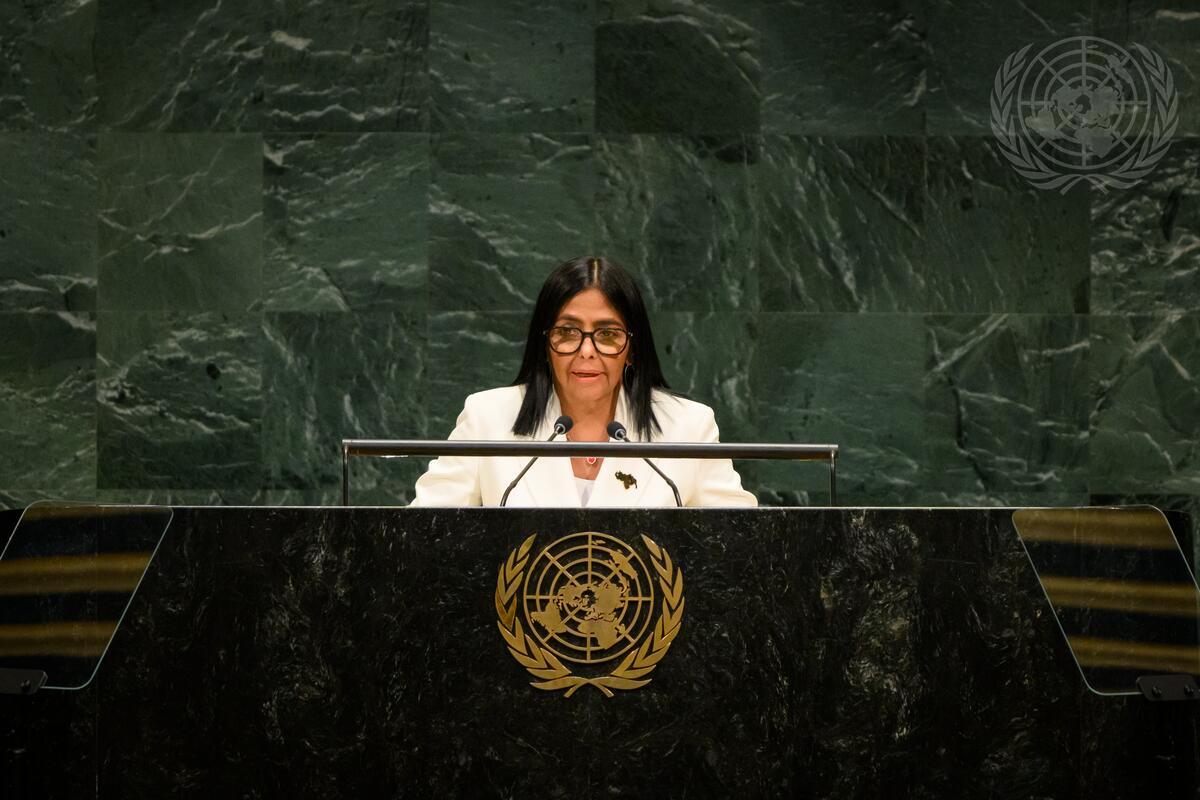
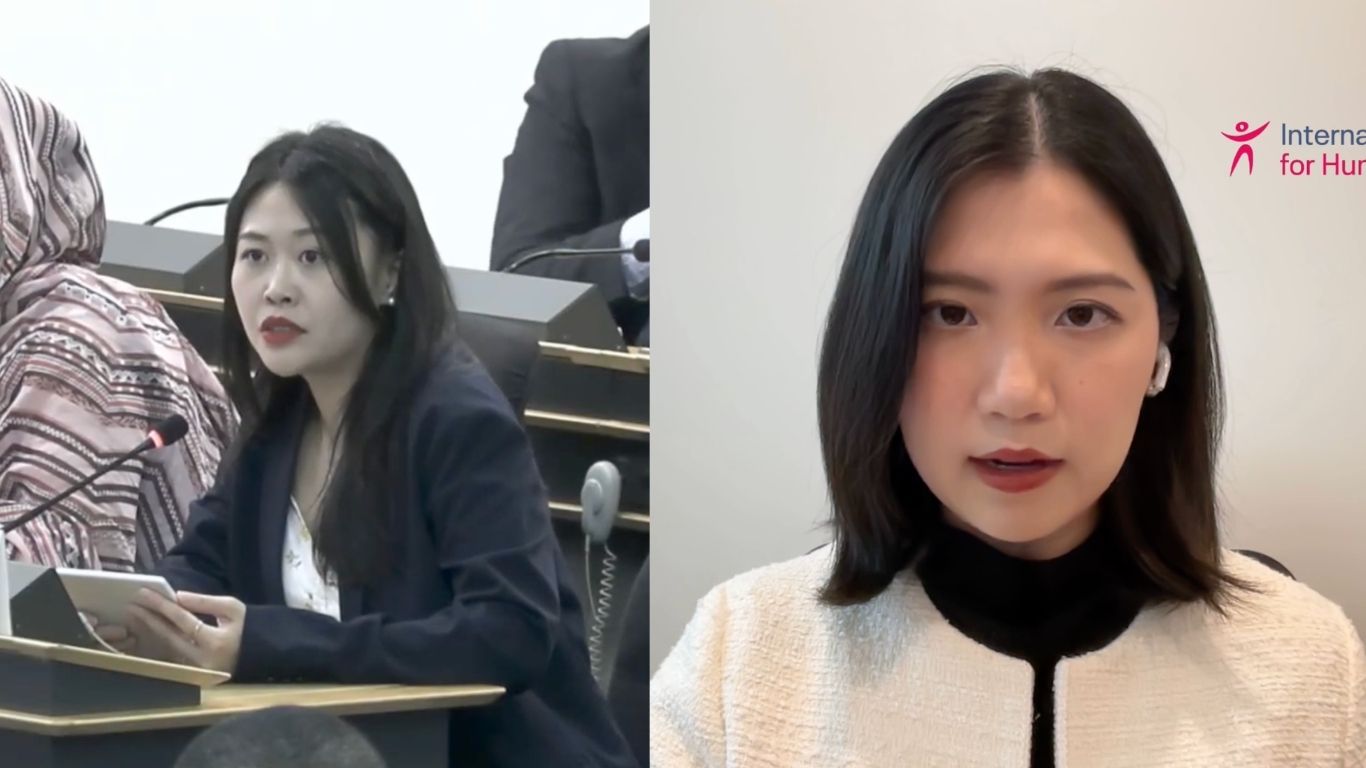
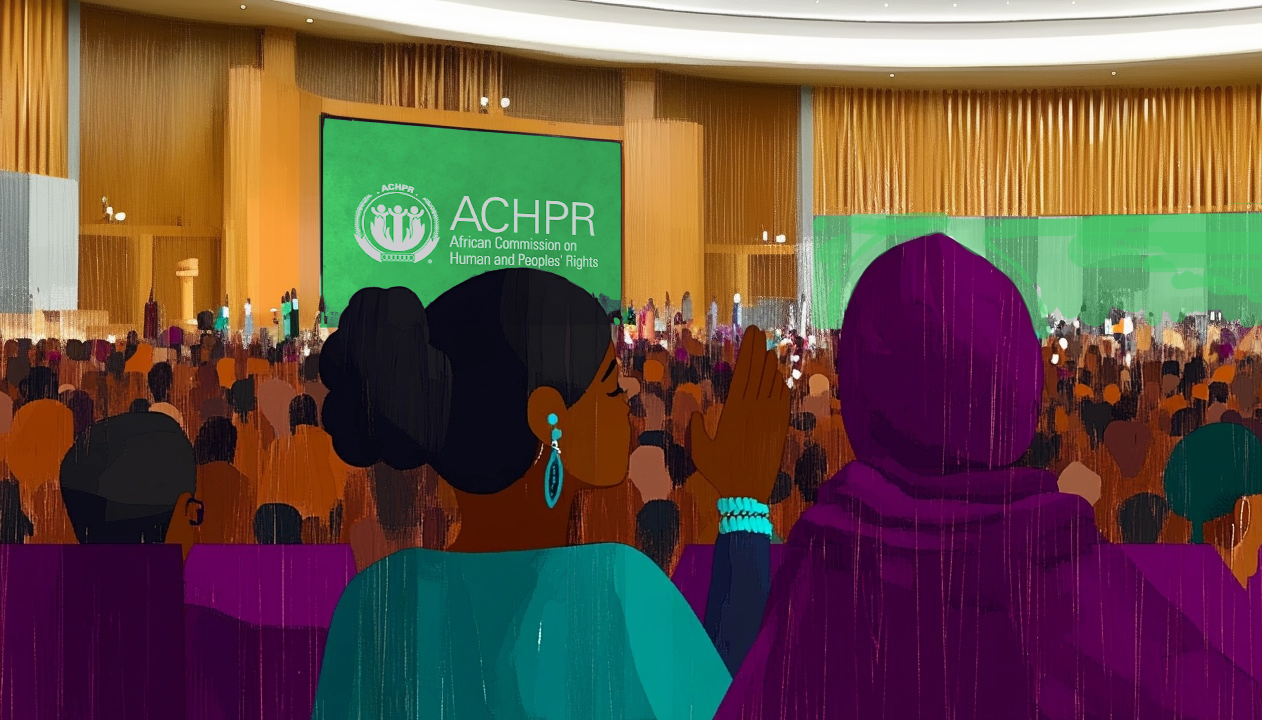
During the NGO forum preceding the 87th session of the African Commission, focal points from the five African sub-regions — Central, East, North, Southern, and West — along with the Lusophone Network and the Diaspora Focal Point presented alarming updates documenting escalating attacks, legal restrictions, and systemic impunity affecting human rights defenders throughout Africa.
Marcel Mani Epee, the focal point of Central Africa expressed his concerns on the widespread surveillance of social media, internet restrictions during elections, and cyber attacks targeting human rights defenders in the region. He further deplored impunity that remains the norm for attacks against defenders across the region. On specificities, the focal point reported that:
- In Cameroon, the Anglophone regions are seeing arrests of defenders and journalists with disproportionate use of force.
- In the Central African Republic, intimidation persists against defenders.
- In Chad, protestors are facing militarisation and excessive use of force.
- In the Democratic Republic of Congo, the conflict in the eastern region creates extreme risks for defenders amid armed group attacks.
- In Gabon, despite the democratic transition, protest control and the intimidation of HRD continue.
The focal point for Eastern Africa, Walda Keza Shaka, revealed that deepening political repression and conflict are putting civilians at the heaviest burden of violence and displacement. She affirms that defenders in the Democratic Republic of Congo face killings and abductions by armed groups, while the ongoing fighting between Sudanese Armed Forces (SAF) and Rapid Support Forces (RSF) in Sudan has triggered mass displacement, executions, and sexual and gender-based violence.
On the preservation of rule of law, she expressed that elections have entrenched authoritarian control in Uganda and Tanzania, with a risk of similar patterns in Burundi, Ethiopia, and South Sudan. Her presentation deplored the response of Kenyan authorities to protests that involved excessive use of force, arrests, and enforced disappearances creating a climate of fear.
On legal frameworks in the region, the focal point affirms that legal tools such as the sovereignty bill in Uganda and the cybercrime acts in Kenya and South Sudan are increasingly being used to criminalise dissent respectively to limit foreign civil society funding and to target online expression.
Naji Moulay Lahsen, focal point of Northern Africa, reports severe deterioration across Algeria, Egypt, Libya, Mauritania, Morocco, and Tunisia. He expressed his concerns on systematic criminalisation of freedom of expression through cybercrime laws, combined with torture in detention and total impunity. He reveals that in Egypt, HRDs face judicial harassment and arrests, similarly in Tunisia, in addition to revival of death penalty provisions, and the suspension of Ligue Tunisienne des Droits de l’Homme (LTDH). In Algeria, activists from the Hirak movement are prosecuted, while Morocco arrested activists over social media posts following October Gen Z protests.
Melanie Kombate, the focal point for West Africa, reported terrorist attacks and insecurity in Niger, Burkina Faso, and Mali alongside restrictions on civil society and freedom of expression. She also expressed that while Gambia showed improvements for HRDs, harassment and forceful protest dispersal continued.
The Southern Africa focal point, Cathy Elando Kodiemoka, reports on civil society intimidation, violence, cybercrime laws and restrictive laws targeting critics across the region including in Malawi, Zambia and Zimbabwe. She exposed the attempt of Zimbabwe to extend presidential term limits while attacking civil society including killings of HRDs. She revealed that Eswatini continues suppression and detention of HRDs. Kodiemoka, further deplored the ongoing xenophobia in South Africa and the assassinations of at least 26 Abahlali baseMjondolo (AbM) members but with only two convictions.
Emilio José Manuel, representative of the Lusophone Network reported restrictive civil society environments in Angola with digital surveillance against HRDs and journalists. He also exposed that Equatorial Guinea maintains closed civil society space. He also denounced the prohibited protests, torture and assassination in Guinea-Bissau.
ISHR as the Diaspora Focal Point, reported on significant progress on reparations with the UN General Assembly adopting a resolution declaring transatlantic slave trade the “gravest crime against humanity,” led by Ghana with 123 votes in favour. However, restrictive laws against HRDs remain a challenge across the continent, bringing defenders to increasingly advocate for the adoption of specific legislation on their protection.
In view of these alarming facts, the panellists recommended that States parties to the African Charter on Human and Peoples’ Rights should guarantee freedom of association, peaceful assembly, and expression; stop the arrests of defenders ; revise repressive NGO laws; ensure internet and media access; establish accountability mechanisms; and prioritise HRD protection. Particularly, Marcel Mani Epee called: