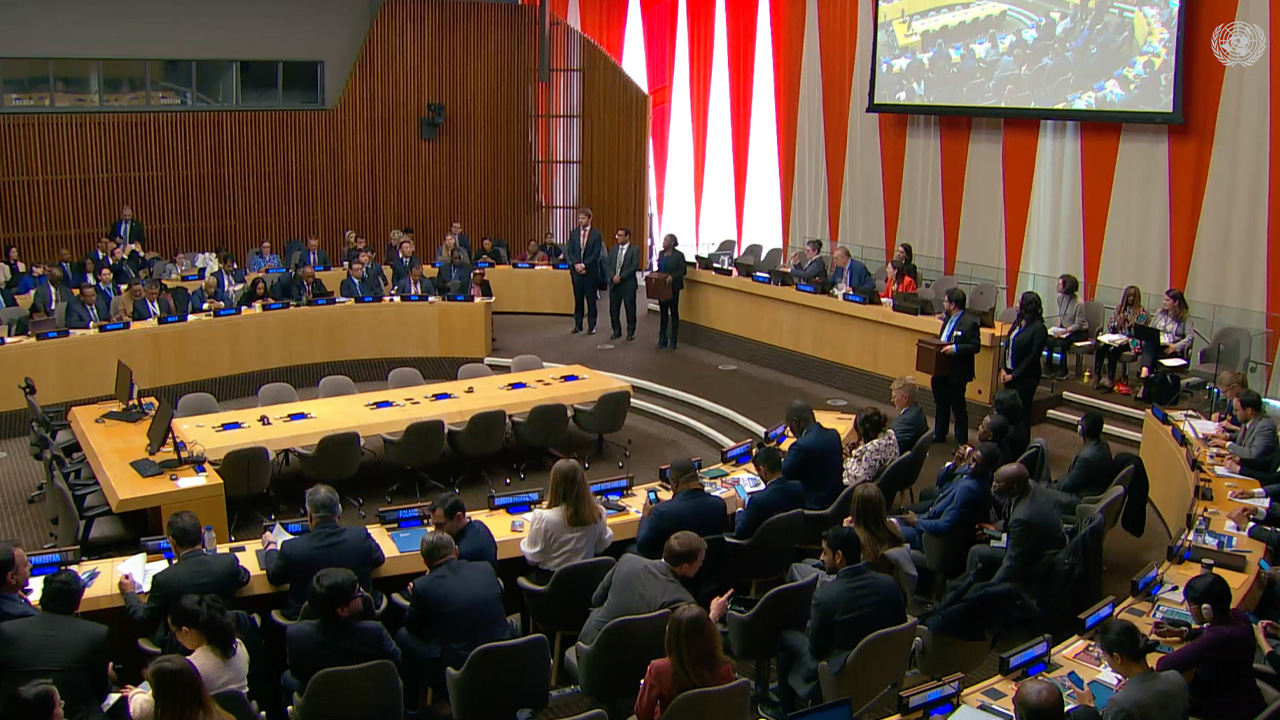
ECOSOC States picked the membership of the UN Committee on Non-Governmental Organizations (NGO Committee), electing 19 States for a 4-year term starting in 2027 in a nearly entirely uncompetitive vote.
Only 20 candidates sought to gain one of the body’s 19 seats, distributed among the UN’s official five regional groups. The African, Latin American and Caribbean and Asia Pacific groups put forward closed electoral slates – with only as many candidates as there were seats allotted to them. So did the Western European and Other States group, which put forward the exact same four members that currently represent it at the Committee.
Only the Eastern European group’s list was competitive, with Ukraine and Estonia clinching their seats in a three-way race with Belarus (see the full list of elected States below).
‘We regret that, once again, a slew of elected UN positions with significant power and influence are essentially handed out to a few willing takers after uncompetitive elections. The loss of Belarus, just as Russia’s defeat in the previous NGO Committee election shows that, when States with genuine intent to fulfil UN mandates invest in these bodies, they can help stave off more problematic actors from gaining power over critical UN functions.'
Maithili Pai, ISHR Senior Programme Officer
Of the 19 elected States, nine are returning members. Nearly three quarters of this newly elected membership also come with an alarming baggage: 13 members are listed as having a ‘closed’ or ‘repressed’ domestic civic space by the CIVICUS Monitor, a tool that closely tracks data on civic freedoms in 196 countries.
In the run-up to the election, ISHR produced a series of scorecards with objective comparisons of each candidate based on eight criteria divided in three themes: Each State’s record at the Committee, how they promote civic space, and their participation in other UN bodies. Of the 20 candidates, 12 met none of these eight criteria.
Moreover, 14 out of the 20 candidates have been mentioned in the Secretary General’s recent reports on intimidation and reprisals against individuals and groups engaging with the UN on issues related to human rights.
‘Never before have we so urgently needed the diverse expertise and first-hand experience that independent civil society groups can bring on the multiple crises we collectively face. It is therefore alarming that the NGO Committee and its immense power over which voices get heard at the UN is being left to States that are likely to block crucial, independent actors to access the United Nations.'
Maithili Pai
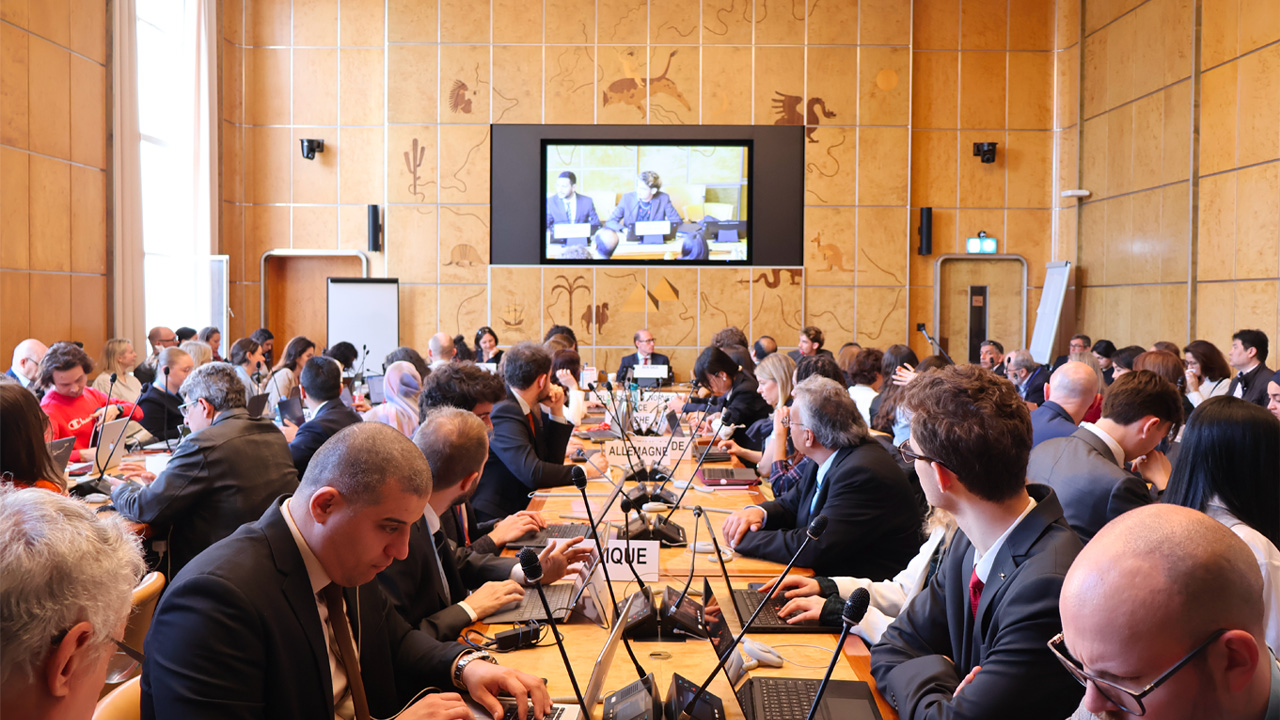
A subsidiary body of ECOSOC, the NGO Committee is tasked with processing requests from organisations seeking to obtain ‘consultative status’, which they need to access and engage with major UN forums, including on human rights.
The Committee has long been criticised for failing to fulfil this mandate, with its members using their power to endlessly defer applications by organisations they believe would be critical of them at the UN.
Full list of States elected to the NGO Committee (re-elected members in bold):
- African States: Cameroon, Côte d’Ivoire, South Africa, Sudan, Tunisia (5 candidates for 5 seats, closed slate)
- Asian Pacific States: China, India, Saudi Arabia, United Arab Emirates (4 candidates for 4 seats – closed slate)
- Eastern European States: Estonia, Ukraine (Belarus the third candidate for 2 seats, competitive slate)
- Latin American and Caribbean States: Cuba, Mexico, Nicaragua, Peru (4 candidates for 4 seats – closed slate)
- Western European and Other States: Israel, Turkiye, United Kingdom, United States (4 candidates for 4 seats – closed slate)