
Venezuela | Stop stigmatising human rights defenders and cooperate with the UN
ISHR calls on Venezuela to prevent smear campaigns, criminalisation, arbitrary detention and other severe challenges that human rights defenders face in the country, urging the government to allow UN experts to visit and examine the situation.
Read this article in Spanish here.
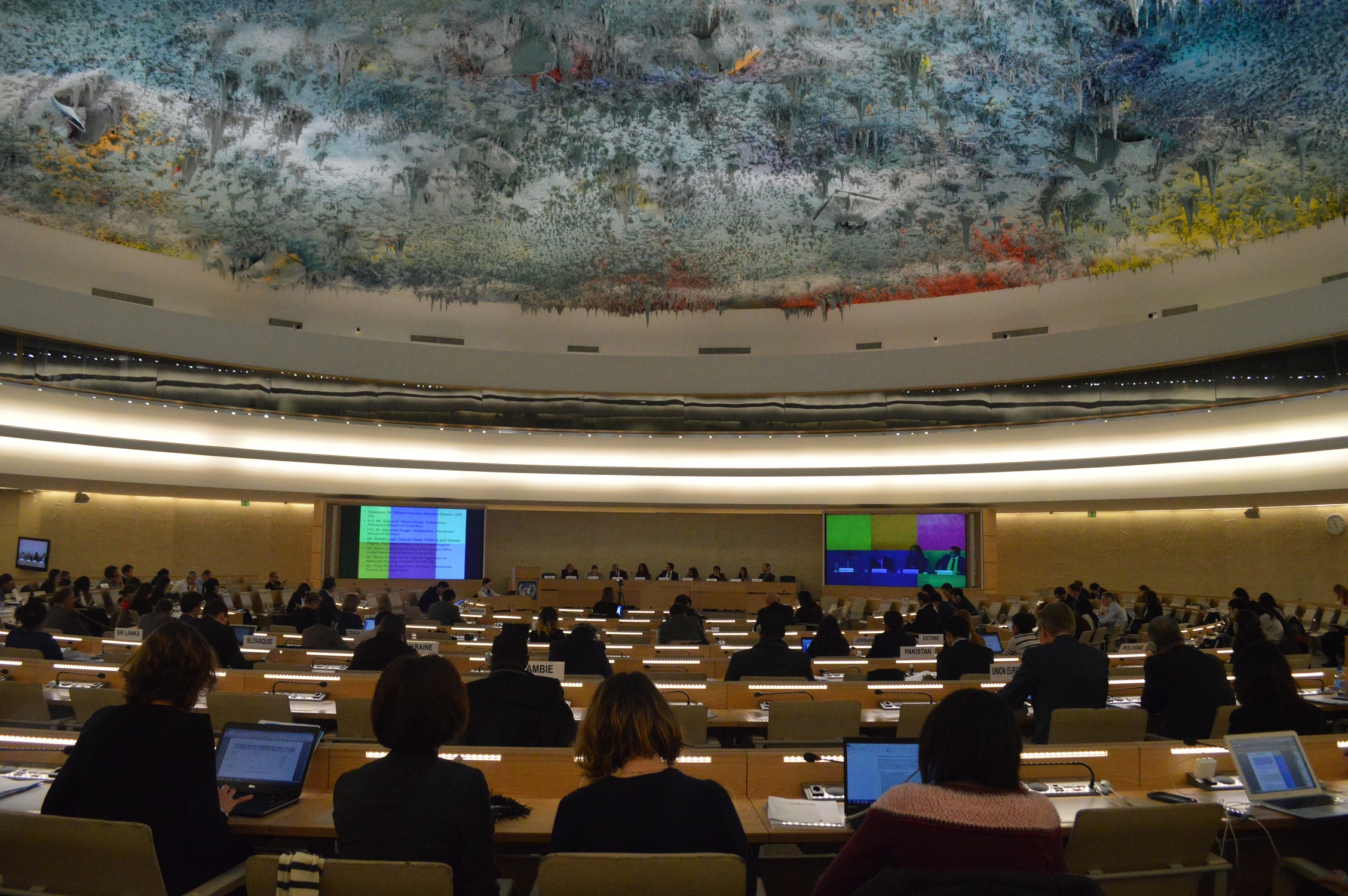
In a joint statement to the Human Rights Council’s 34th session today in Geneva, ISHR called on Venezuela to implement recommendations to protect human rights defenders and to create a safe and enabling environment for their work. The recommendations result from the Universal Periodic Review of the country, a process where the human rights situation in each country is examined by all UN Member States every five years.
ISHR’s Helen Nolan said that Venezuela is facing a human rights crisis, where the situation of human rights defenders has particularly deteriorated.
‘Defenders confront huge challenges, including smear campaigns by high-level government officials. In the last year alone, there were 74 statements published on Government media stigmatising defenders – calling them traitors and destabilisers. The situation is made even worse by a lack of independence within the judiciary, leading to near total impunity.’
The recommendations to Venezuela were shaped by input from civil society, including a submission prepared by ISHR and its partners on the ground. They highlighted that one of the greatest challenges is reprisals committed against human rights defenders.
‘It is unacceptable that that defenders engaging with the UN are targeted. As a Human Rights Council member, Venezuela has a legal and institutional duty to cooperate with the body’s mechanisms, and yet reprisals have been widely documented, including by the Secretary-General, Treaty Bodies and Special Procedures.’
ISHR called on Venezuela to allow unrestricted access to UN experts to visit the country, and urged the international community to closely monitor the worsening human rights situation in the country.
A copy of full statement is available here.
Watch the video in English:
Mira este vídeo en español: