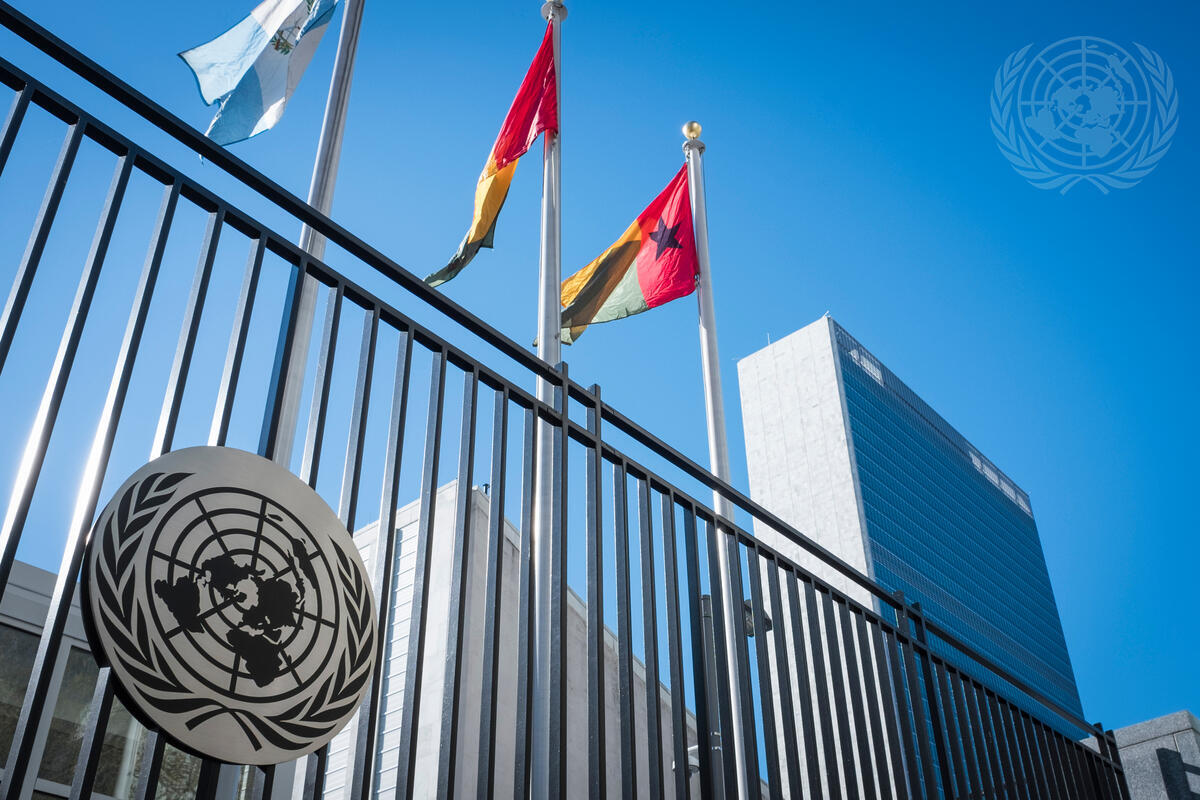
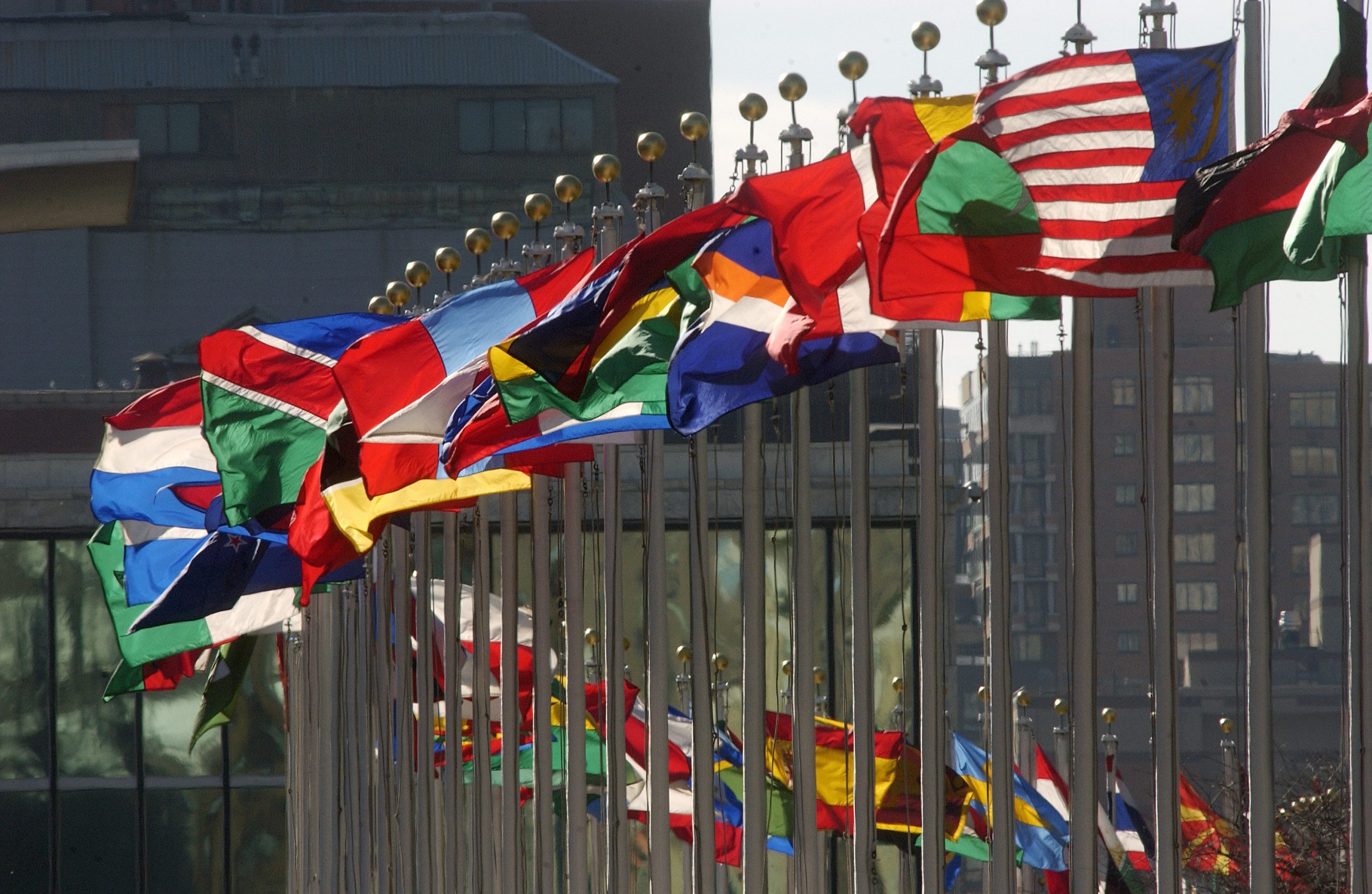
National flags in front of UN
i

UN Photo /Joao Araujo Pinto

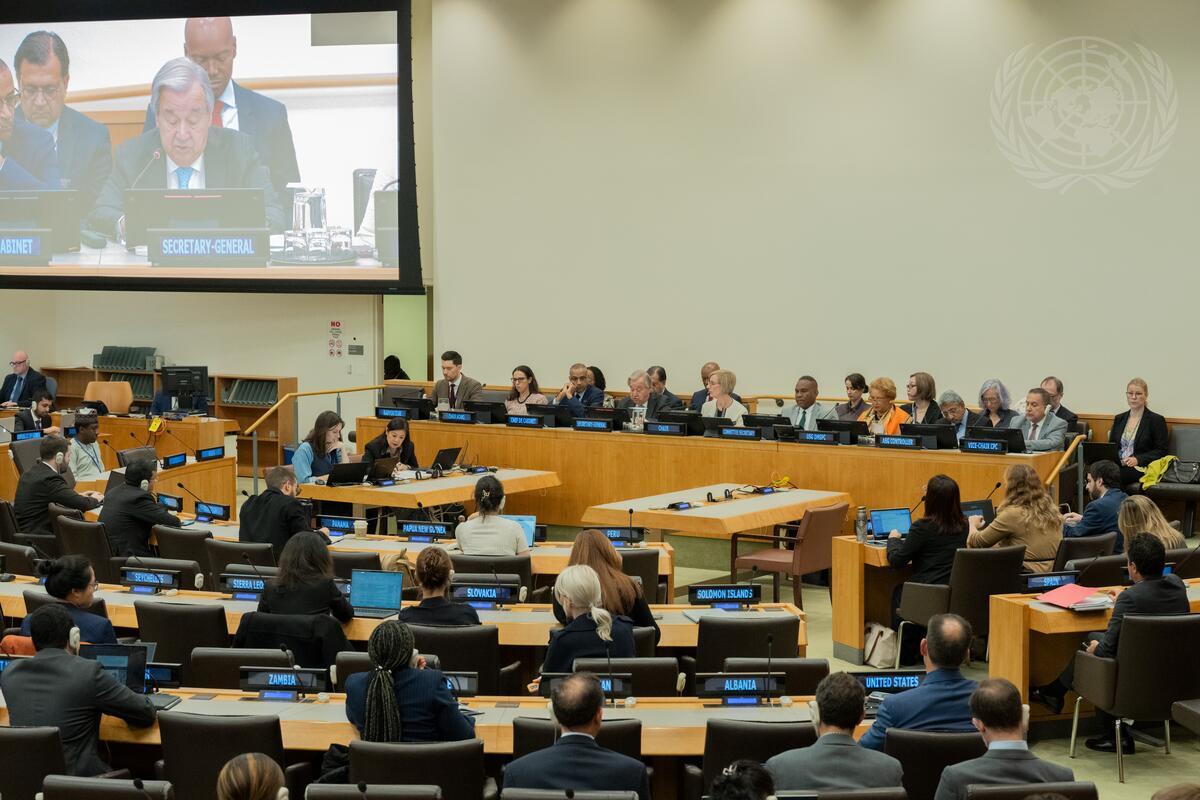
UN General Assembly

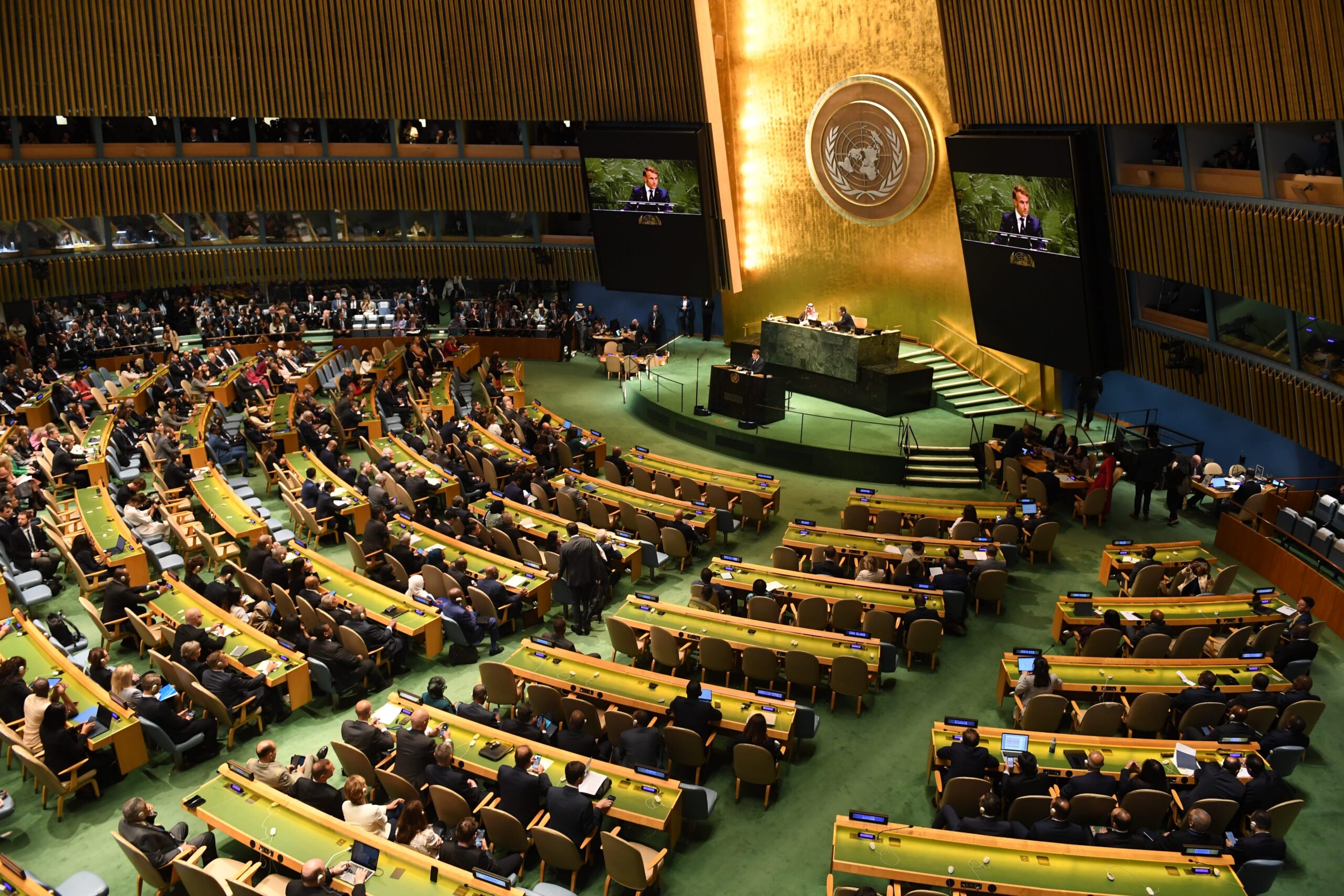
The General Assembly is the main deliberative organ of the United Nations. It is composed of representatives of all member States and has a general mandate to discuss and make recommendations on any matters within the scope of the UN Charter.

Under Article 13 of the Charter, the General Assembly is specifically mandated to ‘initiate studies and make recommendations for the purpose of assisting in the realisation of human rights and fundamental freedoms for all without distinction as to race, sex, language, or religion’.

The plenary regular session of the General Assembly runs from September to December, but can reconvene at any time during the year. Each year the General Assembly addresses over 150 agenda items, which are considered either in the plenary or in one of its six committees.

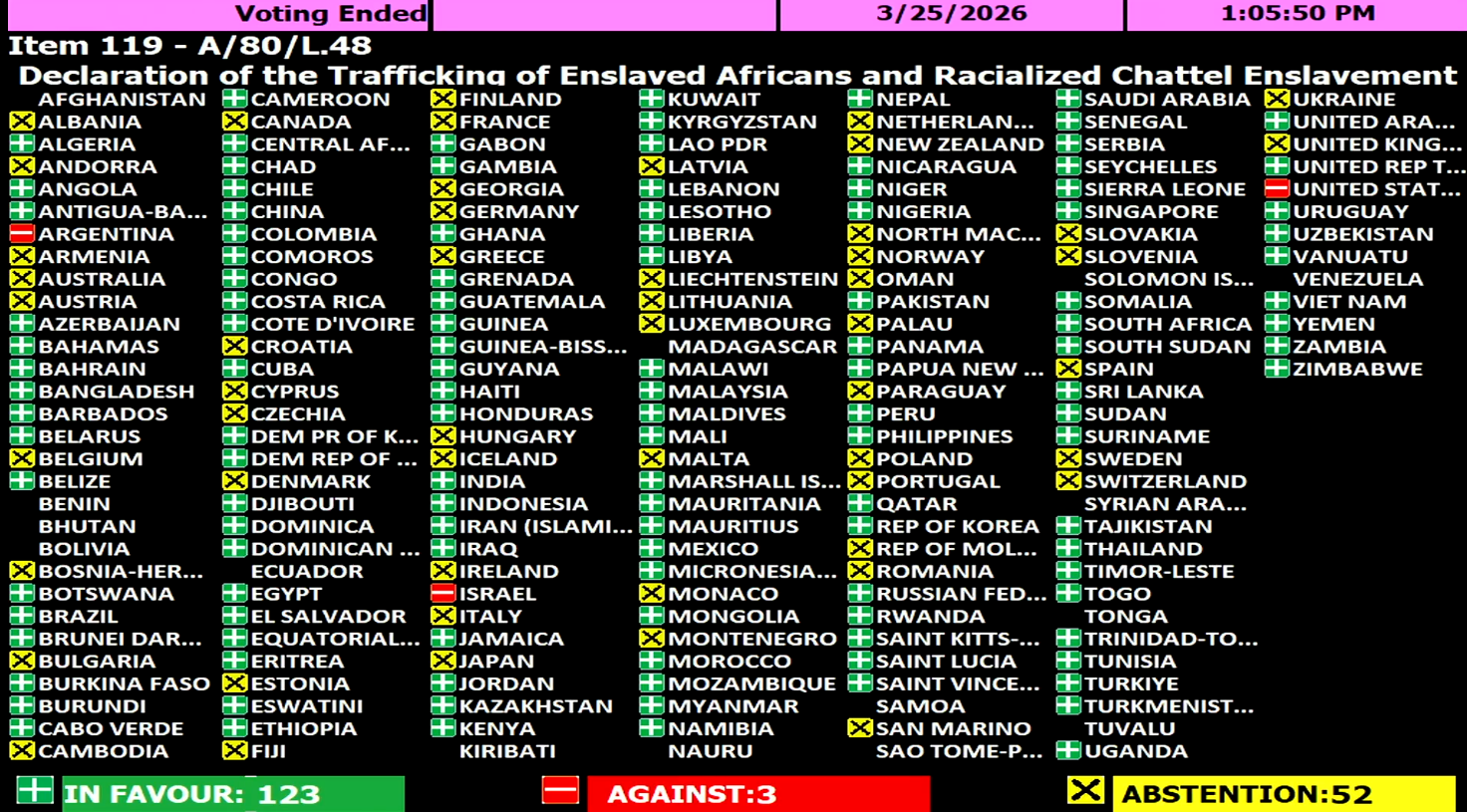
The Third Committee (Social, Cultural, and Humanitarian) addresses most agenda items relevant to human rights defenders, including women’s rights, children’s rights, indigenous peoples’ rights, and the elimination of racism.

Numerous special procedures also report to the Third Committee on a number of these issues and engage in an interactive dialogue with States. After completing its work, the Third Committee submits draft resolutions to the General Assembly for final adoption.

Latest Updates

UNGA81: Key human rights issues at the Third Committee in October – November 2026

This briefing highlights ISHR’s key priorities at the Third Committee of the 81st session of the UN General Assembly (UNGA81). At UNGA81, States must defend the integrity and effectiveness of the international human rights system amid growing political and financial pressures. ISHR’s priorities for the Third Committee include strengthening protection for human rights defenders, countering reprisals and transnational repression, resisting rollbacks on gender equality, SRHR and SOGI, and safeguarding adequately resourced UN human rights mechanisms. The briefing also highlights country situations requiring principled action, including China and Nicaragua, and opportunities for civil society engagement throughout the session.

Explore our resources

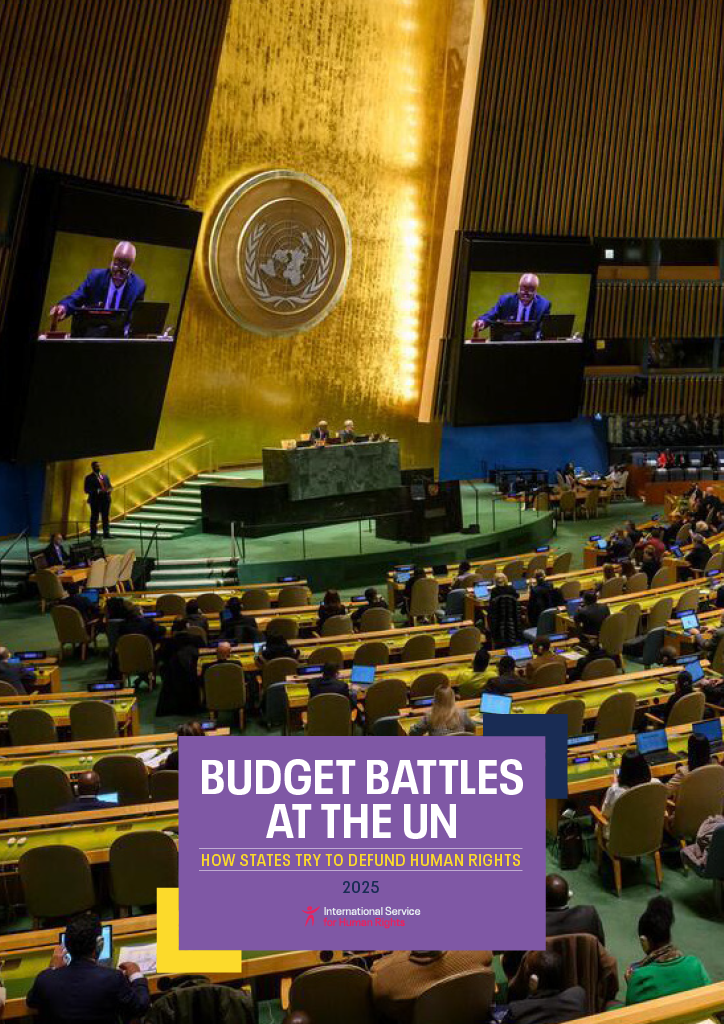
Report: How States try to defund human rights at the UN

New ISHR report exposes how some States are manoeuvring to defund the UN's human rights work. The report documents coordinated efforts to block or cut funding for the Office of the High Commissioner for Human Rights (OHCHR) and Human Rights Council investigations, as well as inconsistent payments that have deepened the UN’s financial crisis.