
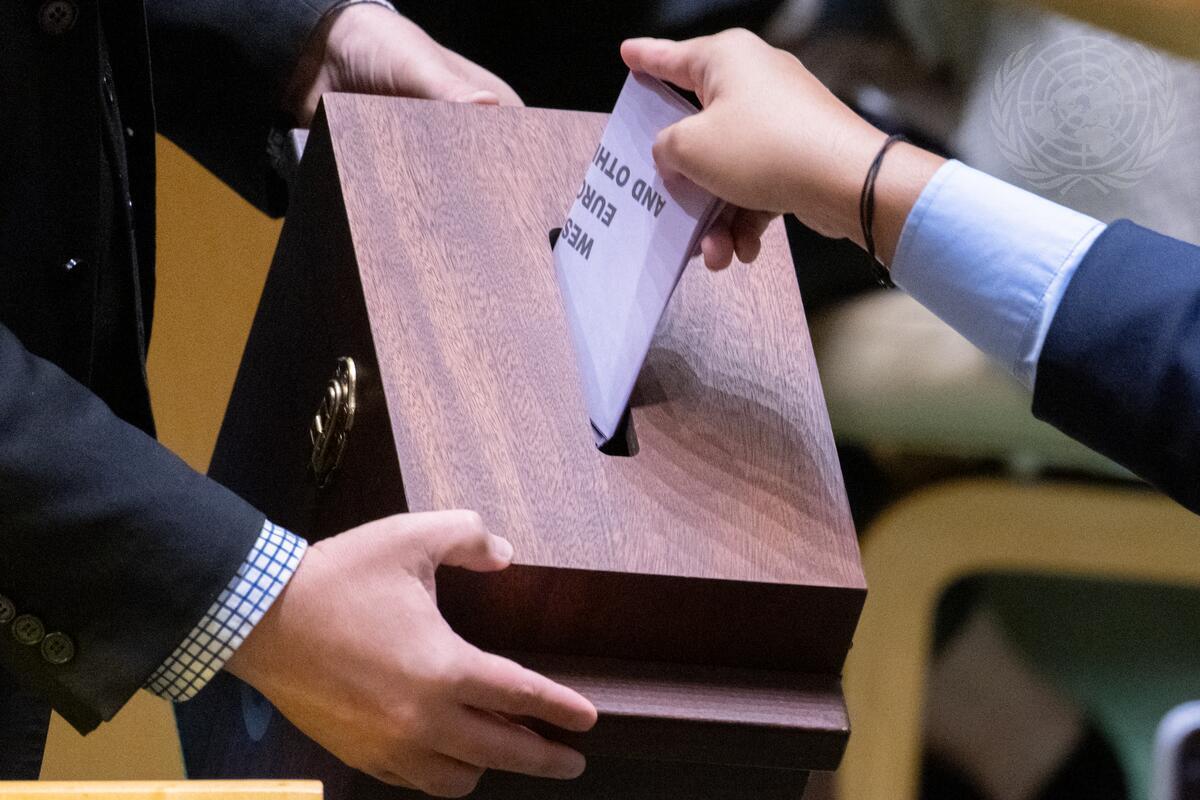
Uncontested vote lands 15 new States at the UN Human Rights Council
In a mockery of an election at the General Assembly, States essentially appointed 15 new members of the Council. For the second year in a row, the vote was wholly uncompetitive.
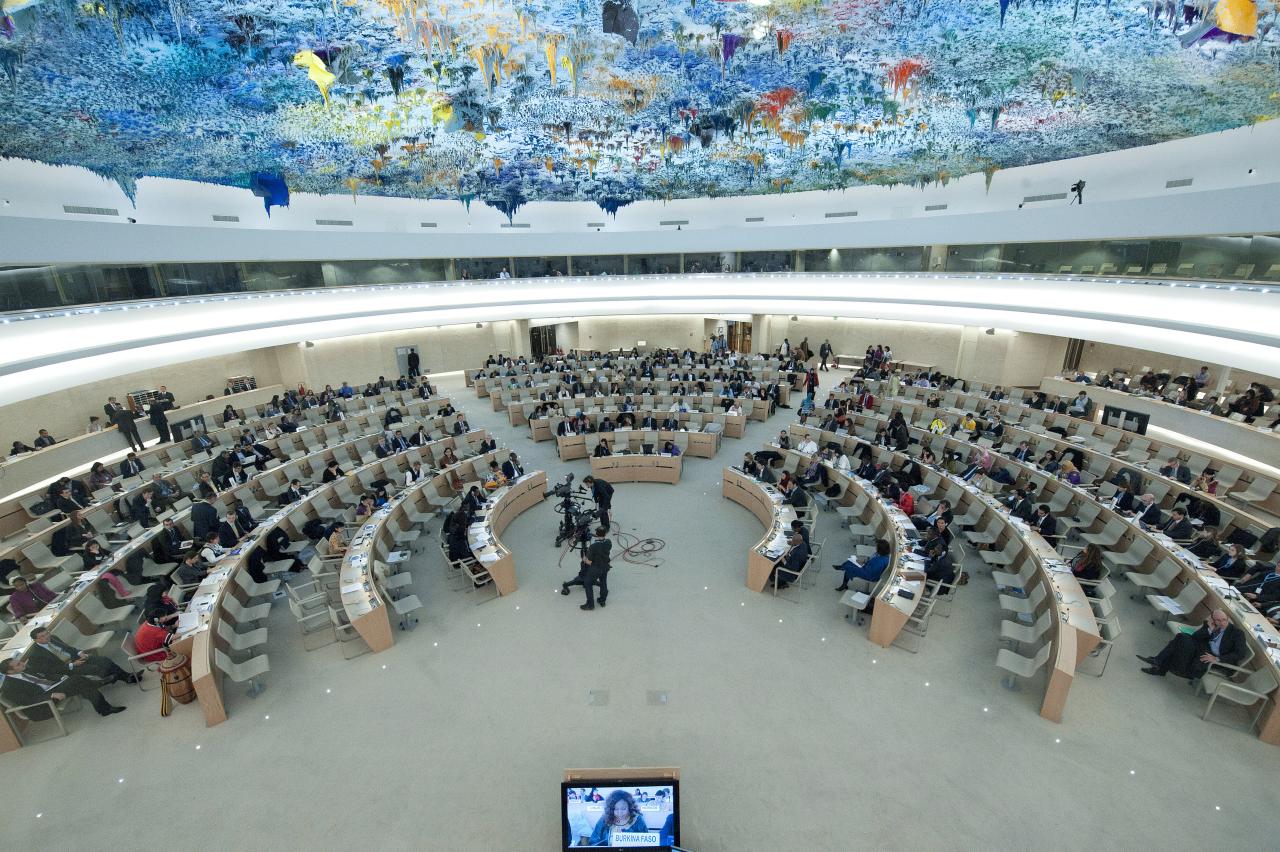
The Human Rights Council is the world’s peak multilateral human rights body. It is comprised of 47 Member States and meets at least three times per year in Geneva. It is mandated to strengthen the global promotion and protection of human rights, and to address human rights violations and situations of concern.
ISHR works intensively at the Human Rights Council to support the work of human rights defenders. Our strategic combination of research, capacity building, policy development, and advocacy seeks to ensure that the Council is accessible to human rights defenders, protects them against intimidation and reprisals, and is an effective mechanism for change on the ground.
We also monitor and report on States’ cooperation with the Human Rights Council and advocate to ensure that States that seek membership are held to account for their commitment to ‘uphold the highest standards in the promotion and protection of human rights’.
Read more about our impact and vision in making progress and preventing regress for civil society at the UN.
In a mockery of an election at the General Assembly, States essentially appointed 15 new members of the Council. For the second year in a row, the vote was wholly uncompetitive.
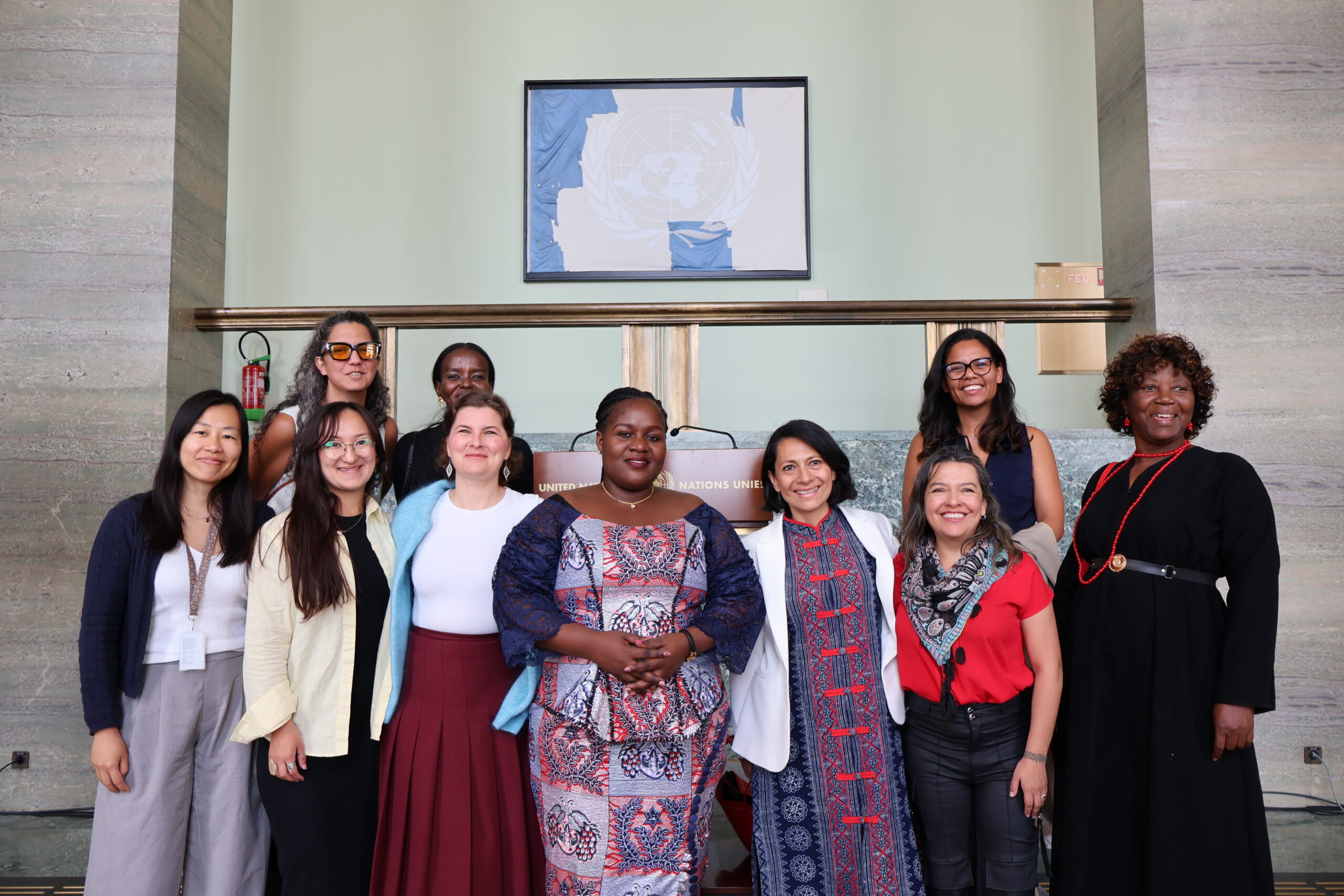
Women human rights defenders working at the intersection of gender, climate and conflict gathered in Geneva for the Women Human Rights Defenders Advocacy Week from 21 to 25 September 2026 for a week of solidarity, learning and exchange.
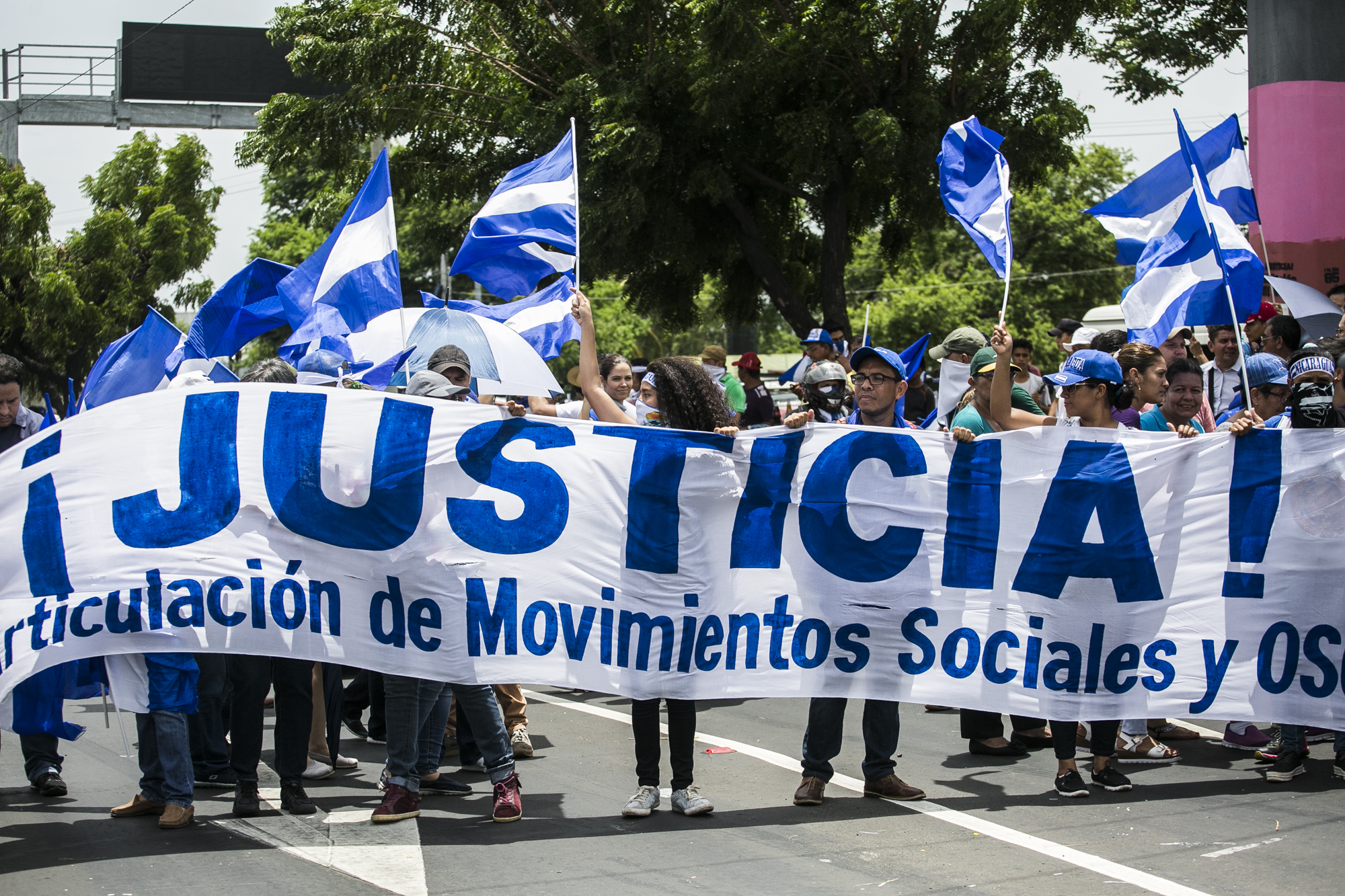
At the Human Rights Council's session, 47 States jointly denounced the dismantling of democracy in Nicaragua, while UN experts presented new evidence of systematic repression, enforced disappearance and deaths in State custody.
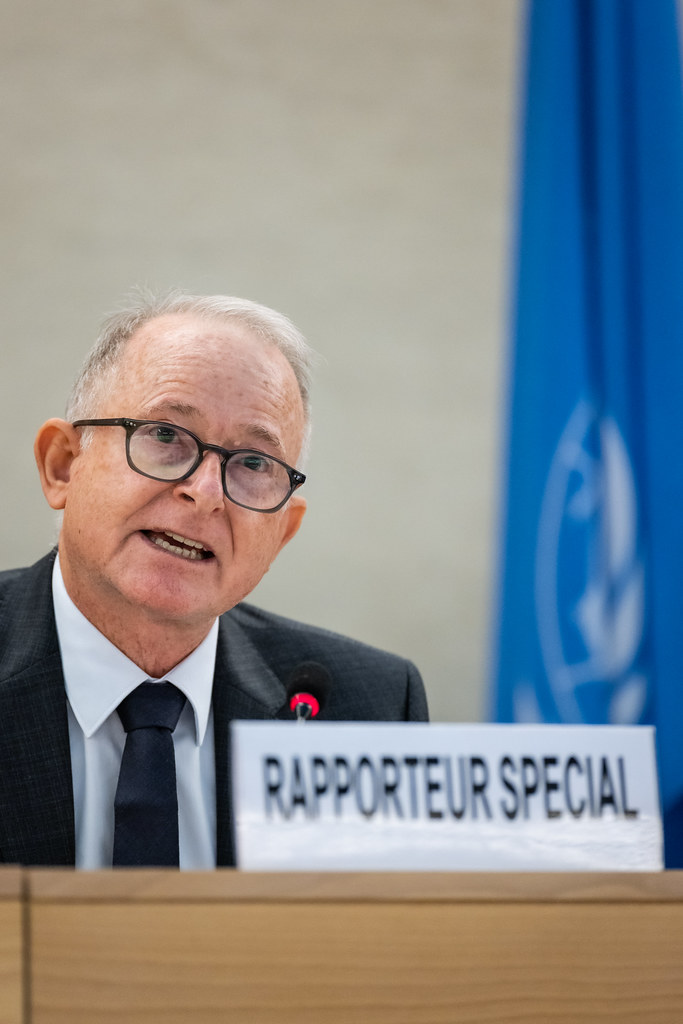
The Human Rights Council has renewed the mandate of the Special Rapporteur on Afghanistan for another year, maintaining dedicated scrutiny of the rights of women and girls. ISHR welcomes the renewal and calls on States to make sure the new Independent Investigative Mechanism for Afghanistan is up and running without delay.
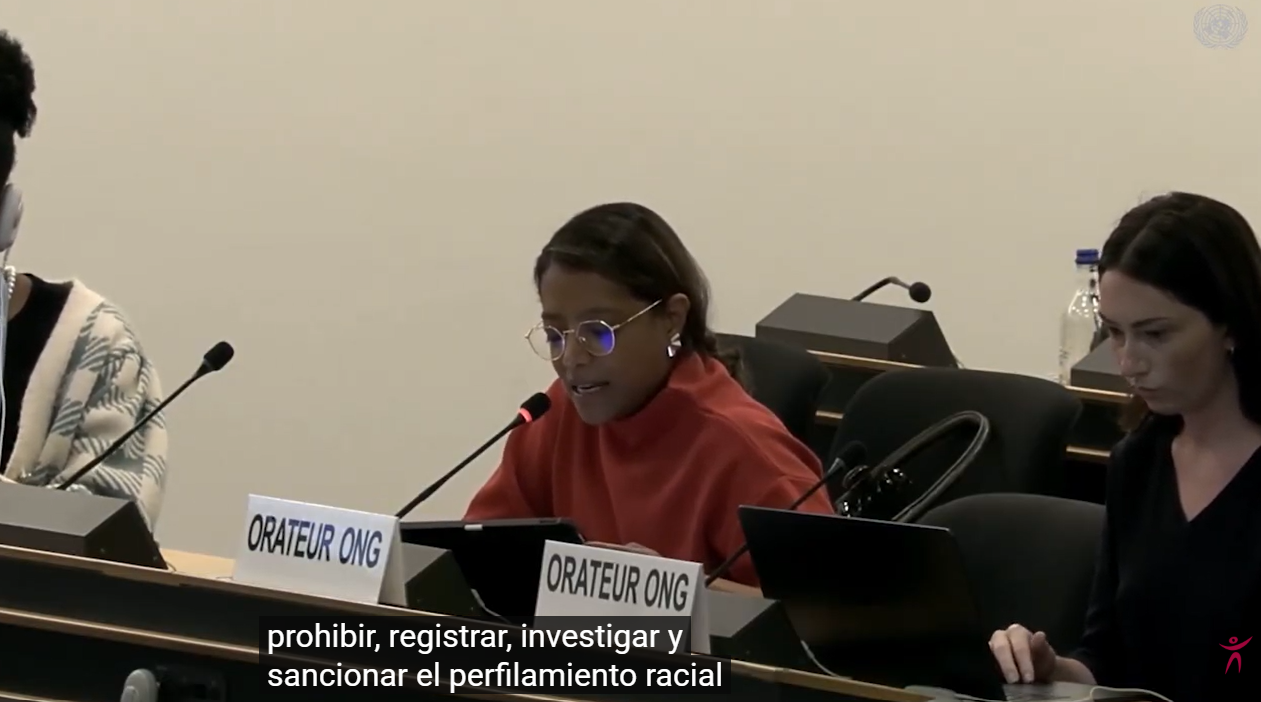
Organisations delivered a joint statement calling on States to move towards drug policies based on harm reduction, human rights, an ethnic-racial approach.
At the Human Rights Council's 63rd session, 185 civil society organisations urged States to reaffirm their commitment to the UN treaty bodies, warning that chronic underfunding and the liquidity crisis threaten the system's ability to protect rights-holders.

Understand the structure, purpose and mandate of the Human Rights Council and the opportunities for effective engagement.
Visit the ISHR Academy to find out more!
ISHR has followed the UN80 Initiative and has advocated for this reform process to align with human rights defenders' needs. This page compiles a series of documents to understand what the UN80 Initiative is and what it means for the UN human rights mechanisms, and to help human rights defenders working at national and regional levels to engage with it.
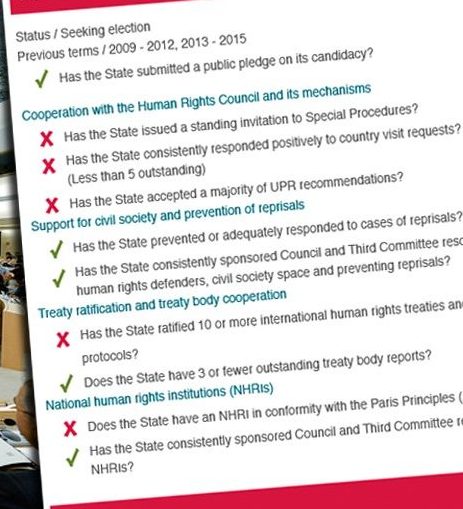
ISHR has published ‘scorecards’ for States seeking election to the UN Human Rights Council for 2027-2029 to help inform voting States’ decisions in the upcoming election.
In response to the annual call for inputs from the UN Secretary-General, ISHR has submitted 66 cases of intimidation and reprisals against human rights defenders engaging with the UN from 24 countries.
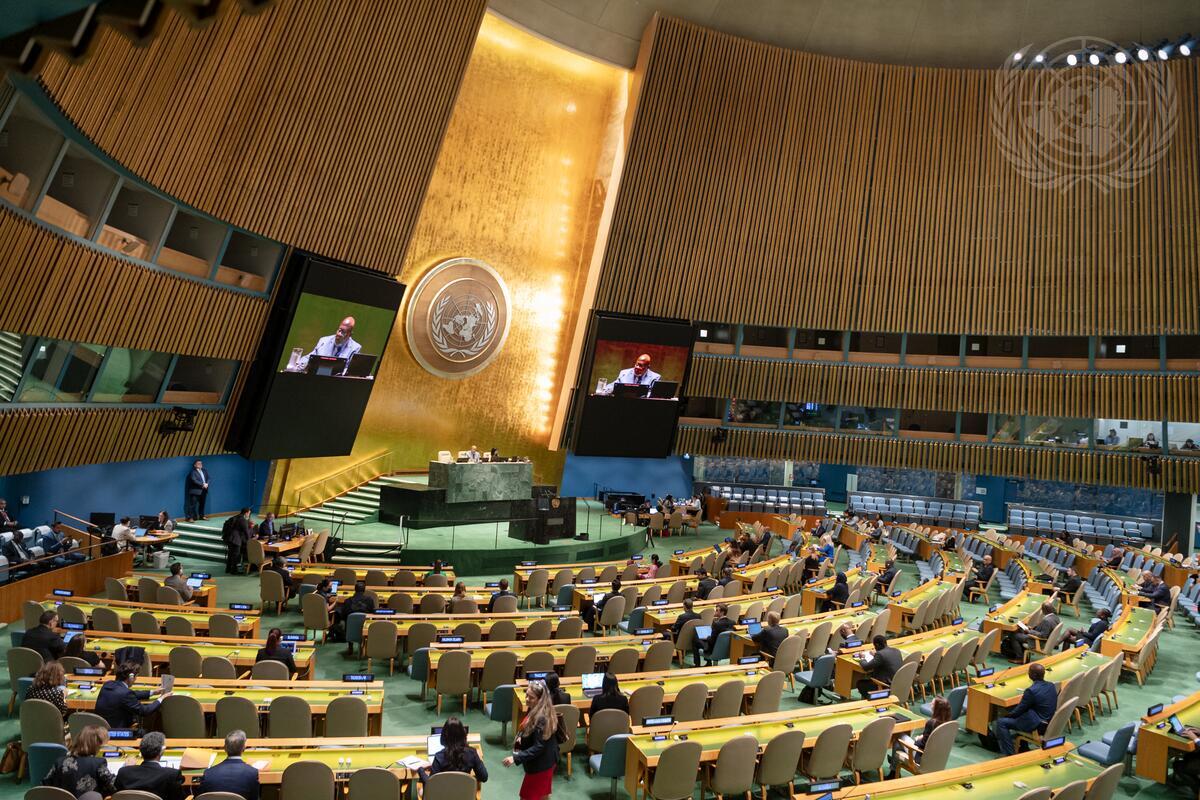
This is a compilation of publicly available information on how the liquidity crisis and budget cuts related to the UN80 Initiative are affecting the work of UN human rights mechanisms since 2024, including their ability to fulfil their mandates and deliver tangible improvements for individuals and communities.
ISHR is pleased to launch its updated guide to the UN Special Procedures, an essential tool for human rights defenders seeking to engage more strategically with these experts, for greater impact on the ground.
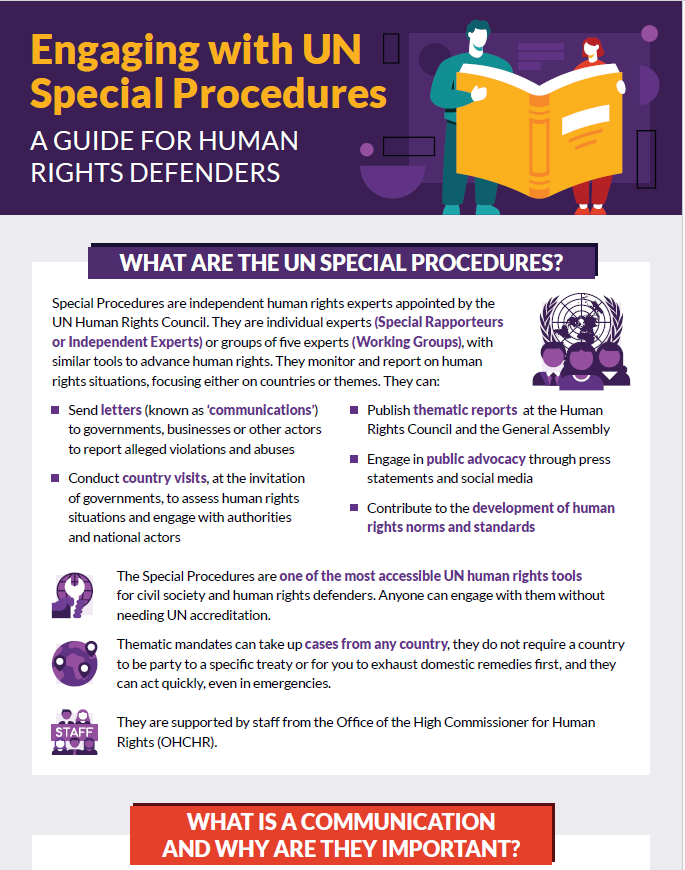
ISHR is pleased to launch a Special Procedures Explainer in five languages, an essential tool for human rights defenders seeking to engage more strategically with Special Procedures, for greater impact on the ground.