
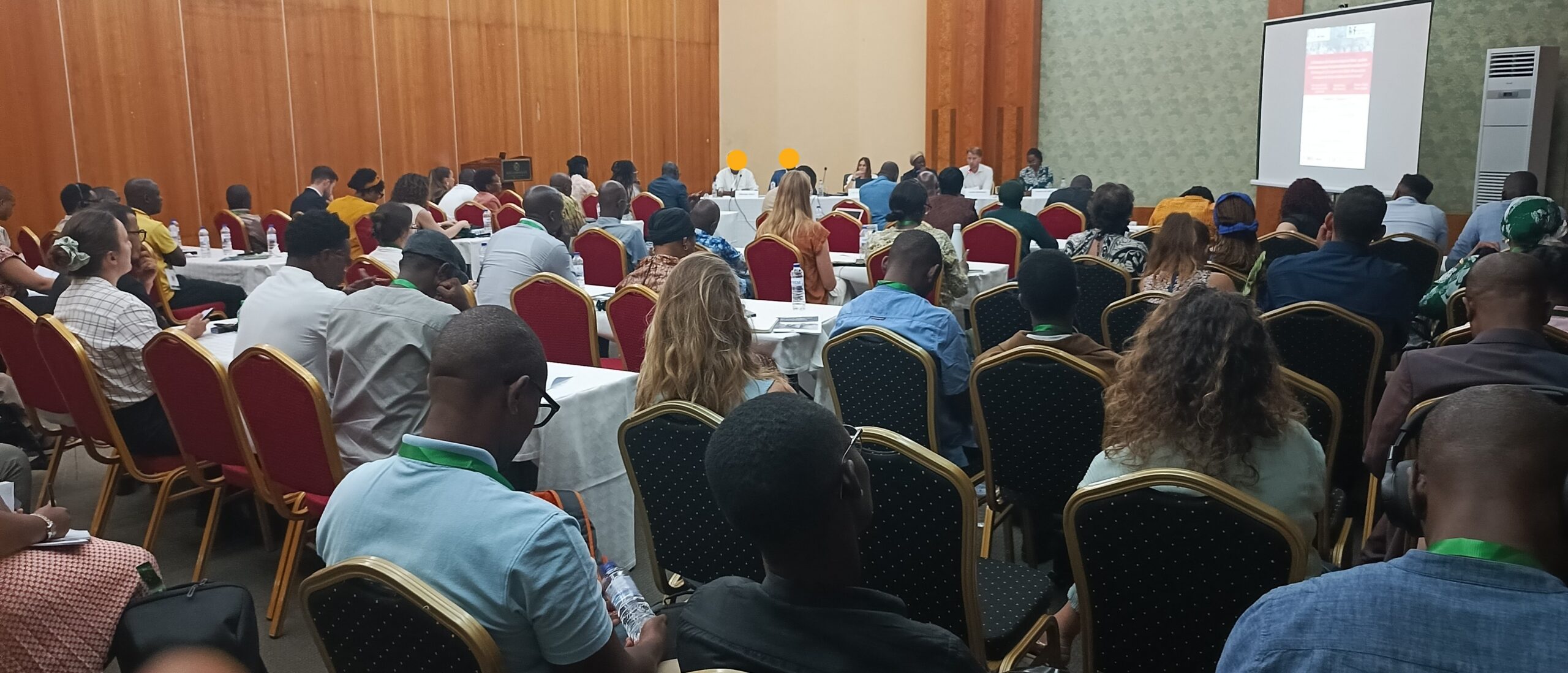
ACHPR89: Civic space, press freedom alarmingly constrained in the Sahel
At the margins of the 89th session of the African commission, civil society groups discussed the growing challenges and threats weighing on journalists working the Sahel.
© Charlotte Giang Beuret for ISHR. All rights reserved.
The United States took a stance at the United Nations General Assembly and mentioned specific cases and situations of reprisals during the dialogue with Assistant Secretary-General Ilze Brands Kehris, including cases ISHR had actively campaigned for.
Campaign update: On 12 October, at the General Assembly’s Third Committee, the United States raised “deep concerns” over Nicaragua’s government blockage of Anexa Alfred Cunningham, Mistuki indigenous leaders and UN expert, who has been forced to exile after participating at a meeting of the Expert Mechanism on the Rights of Indigenous Peoples (EMRIP).
The delegation also “condemn[ed] Hong Kong’s extra-territorial application of the National Security Law”, as well as “the harassment of Jimmy Lai’s legal team following their engagement with the Human Rights Council.”
ISHR has been campaigning for States to raise specific cases of reprisals at public meetings at the United Nations, through its annual campaign to #EndReprisals. Two of the above-mentioned cases were included in this year’s campaign, namely the case of Anexa and the application of the National Security Law in Hong Kong.
These cases were also raised by other delegations during the Interactive Dialogue on reprisals with the Assistant Secretary-General at the Human Rights Council in September. In Geneva, 13 States cited cases and situations of reprisals.
In addition, a cross-regional statement on reprisals led by Ireland and Uruguay was joined by 78 other States and the European Union, bringing a total of 80 signatories* to this important statement. It was delivered at the General Assembly’s Third Committee during the General Discussion on the promotion and protection of human rights (Item 71) on 17 October.
Today, @IrelandAmbUN delivered a 🇮🇪&🇺🇾-led joint statement on behalf of 78 MS on reprisals.#CivilSociety actors are crucial to the work of the @UN, but they often face threats or harm for their engagement.
Together we call on States to take bold action to address #reprisals. pic.twitter.com/kjneHBzsun
— Ireland at UN (@irishmissionun) October 17, 2023
We call on all Member States to take bold action. This involves taking measures to prevent and raise awareness about the issues, investigating reports of reprisals, fully complying with international law obligations, and ensuring accountability and remedy.Ireland, on behalf of 80 countries
We call on the UN to further strengthen its response by ensuring that systems are in place to identify, document, report and follow up on cases of reprisals, and that dedicated focal points are mandated and adequately resourced.Ireland, on behalf of 80 countries
Our work to #EndReprisals is not over until all human rights defenders can freely and safely engage with the United Nations. Join our mailing list to receive the latest updates on intimidation and reprisals at the UN and be involved in future #EndReprisals campaigns.
At the margins of the 89th session of the African commission, civil society groups discussed the growing challenges and threats weighing on journalists working the Sahel.
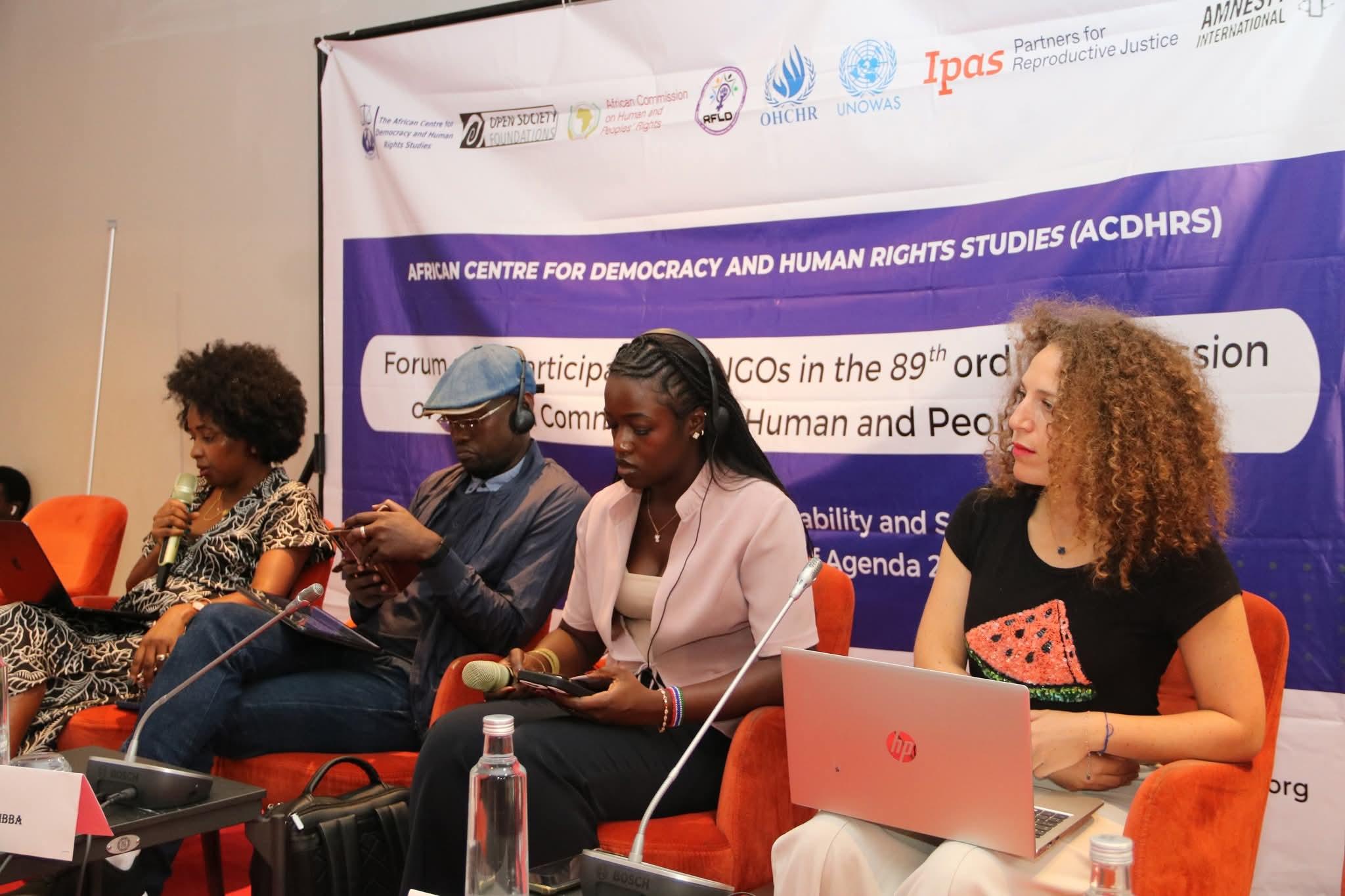
At the NGO Forum ahead of the 89th session of the African Commission, a high-level panel discussion tackled the growing issue of transnational repression in Africa.
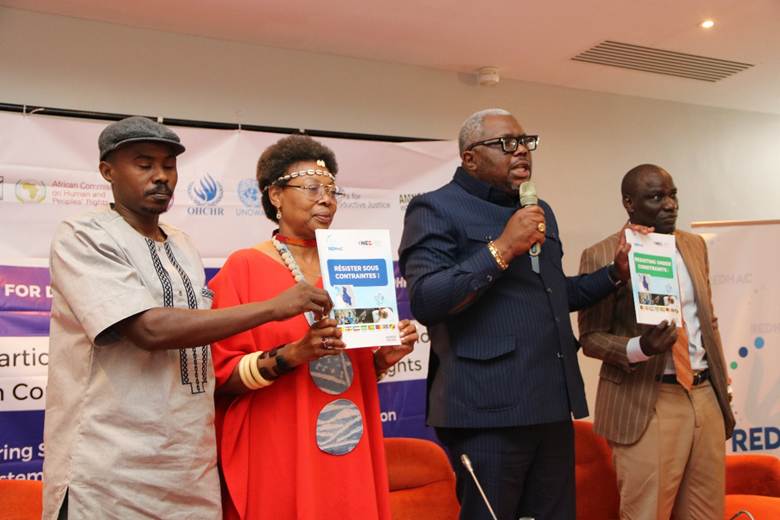
Ahead of the 89th session of the African Commission on Human and Peoples' Rights, the NGO Forum convened a panel on cross-border issues affecting human rights defenders in Central Africa and presented a new publication.