i

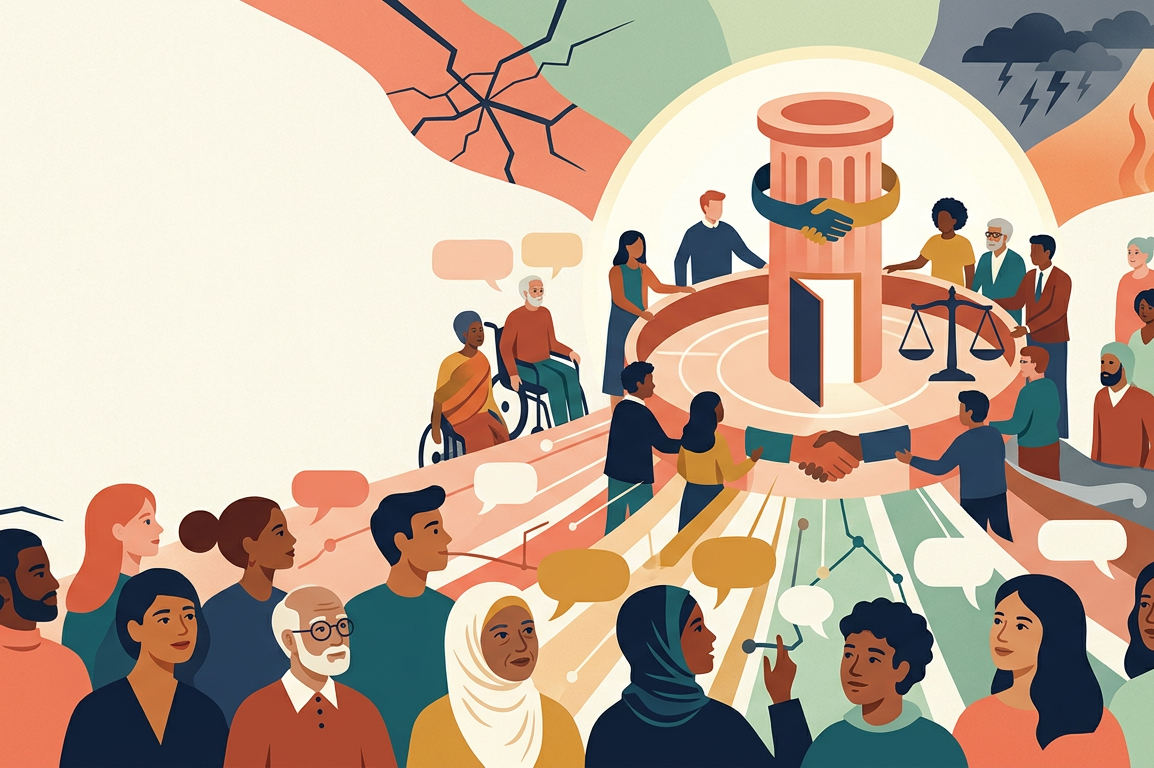
Created by ISHR with Canva AI.

Stop the rollback: scale up UN human rights

The UN human rights system has long protected us all. But now, to respond to the crises of our times, States must defend, strengthen and scale it up. Follow our campaign to find out how! #ScaleUpHumanRights

Over the past 20 years, human rights defenders and civil society from all regions have turned to the UN human rights mechanisms to address armed conflicts, crises and emergencies, gross violations, inequalities and cycles of impunity. They have cooperated with the UN system to identify risks, investigate abuses, challenge perpetrators and propose avenues for action and justice. They have engaged with the UN to more comprehensively tackle frontier issues such as AI and climate change, and urged member States to centre human rights in policymaking and development. Most importantly, UN human rights mechanisms have amplified the voices of victims, survivors, activists and communities, giving visibility and recognition to millions who would otherwise remain unheard. 

Today, effective and responsive UN human rights mechanisms are more important than ever in the context of escalating conflict, authoritarianism, inequality and the climate crisis. But, the system itself is under attack.  

While many countries are striving to defend UN human rights mechanisms, powerful States are seeking to weaken and defund them, silence victims and activists who cooperate with them, and subvert multilateralism and international law. At the same time, recent UN reform initiatives have largely failed to deliver the strengthening of the human rights pillar that these global challenges demand.

The answer cannot be retreat. States must defend and strengthen our shared global human rights architecture. 

More than ever, we need a universal system where difficult conversations can take place, victims and defenders can be heard and centered, perpetrators can be held accountable and global solutions can be forged to address challenges that transcend national borders. Human rights must be at the heart of global governance. A strengthened human rights pillar that is adequately resourced, principled and accountable is not a luxury—it is a necessity.


What do we want? 

We want a UN system that can prevent violations  and atrocities, respond to emerging global challenges, tackle inequalities, advance justice and accountability, and put the rights and experiences of people at the centre of its work. 

To deliver this, the UN human rights pillar needs substantive,long-term strengthening and reform, guided by the expectations, needs and demands of human rights defenders, victims and survivors. 

States must defend a UN system that is rights-centred, inclusive, effective and responsive to the peoples’ needs. Concretely, States must: 

  1. Defend human rights multilateralism
  2. Fund and resource  the human rights pillar properly 
  3. Ensure safe and meaningful access and participation to victims, survivors, human rights defenders and civil society
  4. Strengthen human rights bodies so they are better equipped to prevent crises and act more effectively and impartially when they happen
  5. Protect the independence, integrity and responsiveness of the human rights system.


Together with civil society partners, ISHR has identified a list of key concerns and recommendations to scale up and strengthen the UN Human Rights Pillar.

1. Defend human rights multilateralism

1. Defend human rights multilateralism

Never have we had such a need for a robust multilateral system. One that can enable the resolution of conflicts through negotiation rather than force, one that can address the global challenges that transcend national borders and one where big, medium and small States alike have an equal voice under the one-country-one-vote principle. But the world is reorganising around great-power competition outside UN rules. Meanwhile, rights-averse States continue to grow in influence and seek to impose a distorted vision of multilateralism stripped of meaningful human rights scrutiny and civil society participation. States committed to human rights, from all regions, must work together to resist this trend and defend principled human rights multilateralism.


♦ States should formalise and join a cross-regional coalition to defend human rights multilateralism. 


♦ States should participate and engage meaningfully in all reviews, dialogues and debates concerning human rights at the UN, and ensure follow-up to recommendations and implementation of their obligations. 


♦ States should support and join the High Commissioner’s Global Alliance and make meaningful commitments and pledges in that regard.


♦ States should mobilise support for the independence and work of the International Criminal Court, and oppose sanctions against ICC officials and withdrawals from the Rome Statute.


♦ States should oppose and refrain from the use of the veto in the Security Council in situations involving atrocity crimes, and support Security Council reform efforts.

2. Fund and resource the human rights pillar properly

2. Fund and resource the human rights pillar properly

Human rights cannot be a pillar of the UN in name while being denied the resources needed to deliver its mandates. Human rights mechanisms offer among the best returns on investment in the UN system: relatively modest costs for major structural changes. Yet, the UN’s human rights pillar remains chronically underfunded, accounting for only about 5-7% of the UN’s regular budget and less than 1% of the UN’s total expenditure (regular budget plus voluntary contributions by States). 


A range of States have long worked to defund the UN’s human rights work. In recent years, a liquidity crisis fuelled by the late or non-payments of dues by Member States (especially the US and China), and harsh cuts to human rights budgets and posts under the UN80 Initiative  have severely undermined the ability of human rights mechanisms to fulfill their mandates, brief the international community, protect victims, assist States, and investigate abuses. 


Increased political and financial investment in human rights safeguards international peace and security, promotes inclusive and sustainable development for all, and has a vital preventive function, helping to avert severe humanitarian crises. States and UN bodies must secure adequate, predictable, increased and sustainable funding for the UN human rights pillar.


♦ States must pay their assessed contributions to the UN regular budget in full and on time, in line with their legal obligation under the UN Charter. The UN should strengthen accountability for persistent non-payment of assessed contributions, including through the effective application of existing consequences under the UN Charter and consideration of further measures to deter chronic non-payment. 


♦ States should increase their investment in human rights and, in particular, the UN human rights pillar. Wherever possible, they should increase their unearmarked and voluntary contributions to the UN Human Rights Office and the investigative and accountability mechanisms it supports. 


♦ States should mobilise cross-regionally to increase regular budget funding and core capacity for the UN Human Rights Office (OHCHR) and independent human rights mechanisms and bodies to ensure they can fully discharge their mandates. In any ongoing or future reform, efficiency or cost-saving effort, States should protect the budget for the UN human rights pillar from disproportionate or indiscriminate overall UN budget and spending cuts. 


♦ States should reform the UN’s Advisory Committee on Administrative and Budgetary Questions (ACABQ) to ensure it is more transparent and accountable, including by adopting public working methods, a code of conduct and a code of ethics, holding open and transparent elections, and introducing rules on the non-accumulation of posts for ACABQ members.

3. Ensure safe and meaningful access and participation for victims, survivors, defenders and civil society

3. Ensure safe and meaningful access and participation for victims, survivors, defenders and civil society

Safe, meaningful and inclusive civil society access and participation are essential to ensure that the UN human rights system remains relevant and responsive to local needs and realities. Civil society perspectives ensure that the UN’s action and recommendations are community-informed and can be effectively  implemented at the local, national and regional levels. 


However, barriers to safe and meaningful participation are increasing. These include intimidation and reprisals for cooperating with the UN, visa denials, obstacles to NGO accreditation at the UN’s NGO Committee, the abandonment of hybrid modalities for participation in UN meetings, as well as budgetary constraints, funding cuts, and rising travel costs. These challenges unfold against a broader context of shrinking civic space and democratic backsliding across all regions. If left unaddressed, such obstacles risk undermining the credibility, inclusiveness, and effectiveness of UN human rights mechanisms. The UN and its Member States must protect and expand civil society space within the organisation.


♦ States should reform the ECOSOC NGO Committee to ensure that accreditation processes become fair, transparent, non-politicised, non-discriminatory and efficient. The NGO Committee must also end the practice of unduly stalling accreditation applications, sometimes indefinitely.


♦ The General Assembly should create a mandate for permanent hybrid modalities for the Human Rights Council and its mechanisms, as well as the Treaty Bodies, enabling the UN Office in Geneva and the OHCHR to provide all stakeholders with meaningful opportunities to  participate remotely. States should also adopt a UN-wide approach, ensuring that hybrid modalities for participation are integral to its work, including in other multilateral fora, such as environmental spaces, the Commission on the Status of Women and the NGO Committee, among others.


♦ The UN Secretariat and Member States should work to expand physical access for accredited NGOs at all UN premises. The ban on civil society during the UN General Assembly’s high-level segment should be ended. Civil society should enjoy comparable opportunities for access and participation across UN duty stations, including appropriate access to informal negotiations.


♦ OHCHR should maintain a regularly updated, publicly accessible database of reprisals cases brought to the attention of the UN Senior Official on reprisals. This database would bring greater visibility to cases and enable efficient and effective follow-up by the UN, States and NGOs. The database should include State responses and follow-up action by UN bodies. The Senior Official should also carry out effective and consistent follow-up on all documented cases until they are resolved, including through public diplomacy. 


♦ As part of the Treaty Body strengthening process, the UN and States should strengthen accessibility to Treaty Bodies. The Secretariat should develop necessary tools for digitalisation, ensure that they are accessible to persons with disabilities, including a joint submission platform and case management system for individual communications, as well as a joint submission and document management platform for reporting by State parties. Where doing so is safe, efficient and enhances access and participation for civil society, Treaty Bodies should consider conducting clusters of State party reviews in their regions, thereby contributing to accessibility and efficiency for States, as well as national and regional-level civil society.

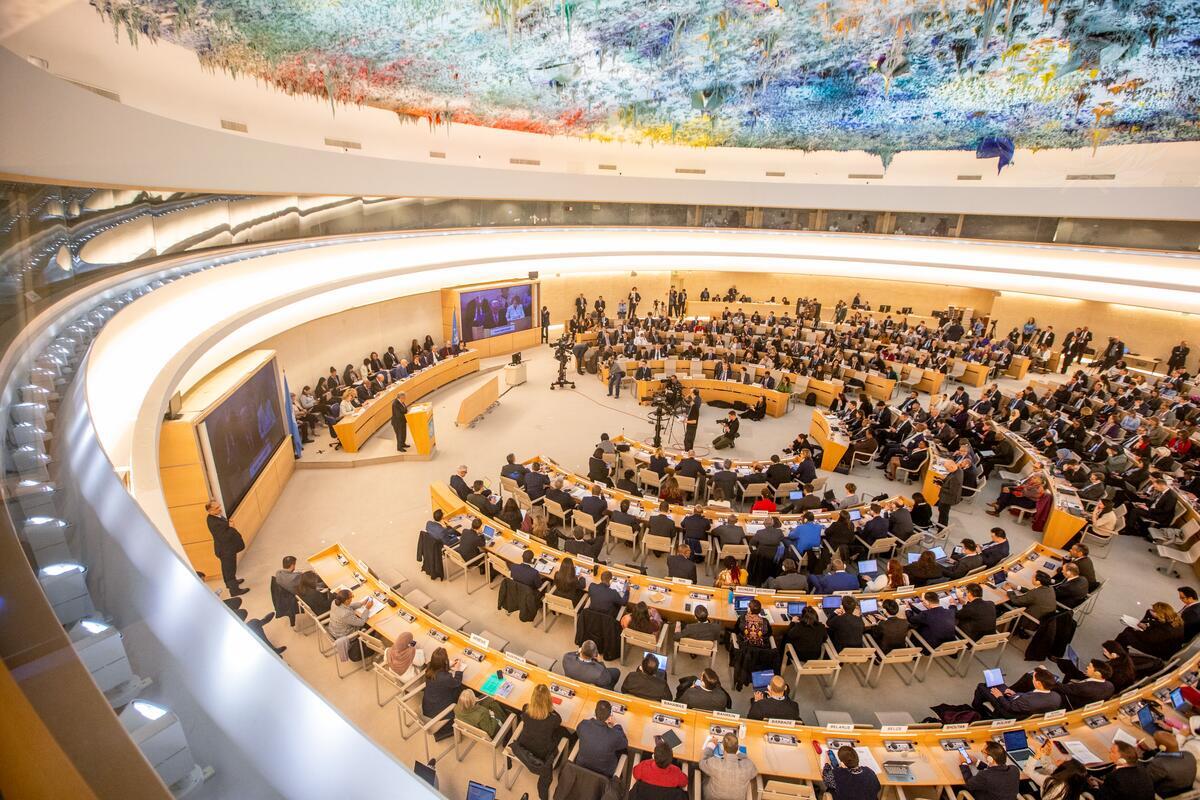
Human Rights Council

4. Strengthen prevention, accountability and impartial action

Human Rights Council

4. Strengthen prevention, accountability and impartial action

The prevention and investigation of human rights violations are essential to the maintenance of peace and security. The Human Rights Council (HRC) is the UN’s top multilateral human rights body, and has a critical role to play in preventing and responding to human rights violations wherever they occur and whoever the perpetrator. 


Yet, selectivity and double standards in responses to grave violations—including in Gaza, Xinjiang, Sudan, and elsewhere—undermine the international human rights system and allow geopolitical interests to determine when and where scrutiny is applied. The selective implementation of legal obligations and recommendations by UN bodies, experts and international courts has eroded the integrity of international human rights law, the credibility of UN mechanisms, and the confidence of human rights defenders and victims in the system. 


The UN must strengthen existing mechanisms and develop new tools to enable earlier, more consistent and impartial action based on objective human rights criteria. 


♦ The HRC should mandate an independent, cross-regional working group of experts empowered to refer urgent situations of gross and systematic violations to the HRC, applying objective criteria in a principled and consistent way. This would ensure that the HRC is seized of urgent issues on their merits, and can consider appropriate action in a principled and impartial manner. 


♦ Pursuant to article 96(2) of the UN Charter, the General Assembly should authorise the HRC to request advisory opinions from the International Court of Justice on legal questions arising in relation to human rights. This would help ensure the principled and consistent development, interpretation and application of international human rights law. It would also contribute to efficiency by promoting greater coherence in the law and providing authoritative guidance on legal matters which may otherwise be subject to different approaches by different mandates and mechanisms.


♦ The General Assembly should authorise the HRC to bring to the attention of the UN Security Council of human rights matters that may impact on international peace and security, thereby contributing to greater prevention, as well as enhanced coordination and efficiency between mechanisms.


♦ The High Commissioner should provide regular intersessional briefings to the HRC on situations that merit the HRC’s attention. Consistently with the HRC’s resolution on the prevention of human rights violations, OHCHR and the newly-established Human Rights Group should also work to ensure a UN-wide response to early warning signals of human rights crises from national and global civil society, national human rights institutions, UN human rights bodies and UN country offices.


♦ Member States should ensure that every country, without exception, is reviewed by the Universal Periodic Review (UPR). By the end of each UPR cycle, no State should be left out of review. If a country refuses to cooperate, its review and adoption should proceed in absentia, on the basis of UN and civil society information.

5. Protect the independence, integrity and responsiveness of the human rights system

5. Protect the independence, integrity and responsiveness of the human rights system

To be fully responsive to rights-holders’ needs, human rights mechanisms must work in a consistent, transparent and predictable way. This is especially important for groups with less access to or familiarity with human rights mechanisms and their processes. 


Human rights mechanisms are diverse and fulfil distinctive functions. This diversity and complementarity along with their independence have allowed the UN human rights pillar to succeed. States should protect these qualities so that the system remains credible, reliable and responsive, and victims and human rights defenders can continue to engage with it confidently. 


♦ States should ensure transparent, participatory and merit-based nomination and appointment procedures for UN human rights experts, including for the Treaty Bodies and the Special Procedures. This includes appointing members who meet the highest standards of commitment to human rights, competence, expertise, and independence, with due regard to gender parity, diversity and equitable geographic representation. 


♦ During HRC elections, States should vote only for candidates who uphold the highest standards in the promotion and protection of human rights and who cooperate fully with the UN. All UN regional groups should nominate more candidates than the number of seats available to ensure elections are competitive, incentivise candidates to improve their cooperation with the HRC and its bodies and mechanisms and their national record, and contribute to a better outcome for the HRC’s membership.


♦ States and the UN Secretariat should respect and protect the independence of the Treaty Bodies, Special Procedures, the HRC investigative mechanisms and the ICC, and oppose sanctions, threats and other forms of intimidation or reprisal against them. Once appointed, mandate holders must remain free from political pressure and interference seeking to hinder their independence or effectiveness. 


♦ States should ensure that reform processes, such as the review of mandates within the UN80 Initiative, the standardisation of Special Procedures’ working methods or the Treaty Bodies strengthening process, are informed by meaningful consultation with independent civil society and affected communities. These processes should be based on human rights criteria and preceded by an assessment of their implications for the independence and effectiveness of the mandates. 


♦ In the context of the Treaty Body strengthening process, the Secretary-General should put in place a fixed calendar for Treaty Body reviews to provide clarity to all stakeholders and enable predictable, forward looking allocation of resources. Proposed programme budgets should include resources necessary to implement the calendar fully, together with  all other mandated Treaty Body activities.

How do we get there?

We work together

We work in coalition with international, regional and local partners.

We work together

We raise awareness

We share information on how the UN works and how it should work.

We raise awareness

We persuade

Through letters and meetings, we convince diplomatic missions in Geneva and UN decision makers to adopt and put in practice our recommendations.

We persuade

We mobilise

When needed, we activate public pressure and call on the urgent necessity to reform the UN.

We mobilise

The state of reforms at the UN

Yes! 

In recent years, several reforms have been attempted to make the UN more impactful and fit for the 21st century. The Pact for the Future, the UN80 Initiative, and UN 2.0 have promised a system that is more responsive to the needs of the peoples it serves.

The UN80 Initiative is the primary system-wide reform process currently underway at the United Nations. It was launched by Secretary-General António Guterres in March 2025. ISHR has followed the UN80 Initiative and has campaigned for this reform process to align with human rights defenders’ needs. Visit our resource page  to understand what this reform process is about and how you can engage with it. 

In addition to the current UN80 reform, further reform efforts (like the reform of the Security Council) are underway at the UN. Due to financial constraints, other ongoing processes have targeted specific human rights mechanisms (Third Committee, Treaty bodies, Human Rights Council, Special Procedures…) and tried to respond to pressing workload and financial needs. 

Recent reform processes have, to a large extent, fallen short of the expectations of rights-holders, particularly of rights holders, human rights defenders and civil society organisations working with the UN human rights mechanisms.

In practice, these processes have fallen short of strengthening the human rights pillar in any meaningful way and have offered limited opportunities for civil society participation. This has limited the scope of the reforms that this pillar urgently requires.

Most of the measures recommended by civil society – some of which have been proposed for years – have not been considered.

We believe it is time to step up our efforts!

On 12 March 2025, the Secretary-General Antonio Guterres launched the UN80 Initiative that aims to update the UN’s structures, priorities, and operations for the 21st century ‘to ensure [the system] remains effective, cost-efficient and responsive to the people it serves’. It is the more recent reform process undergone by the system. 

This initiative happens as the UN faces a financial crisis, as a result of the failure for years of some member states to pay their assessed UN contributions in full and on time. In recent years several States have also reduced significantly or withdrawn entirely their financial support across a number of key bodies and agencies.  

The Secretary General tasked Guy Ryder, the Under-Secretary-General for Policy, with leading an internal task force on UN80 responsible for developing concrete proposals in three areas: 

  1. Workstream 1: Identify efficiencies and improvements in work of the UN. This work-stream also sought to reduce human capacity and cut  20% of the budget.  
  2. Workstream 2: Review the implementation of all mandates.  
  3. Workstream 3: Strategic review of structural changes and programme realignment in the UN System for better impact 

The UN80 Initiative has been presented as an opportunity to strengthen the UN system and better deliver for all stakeholders, particularly those most marginalised and vulnerable. In practice it has focused on efficiency, rationalisation and trimming spending. The Secretary General is expected to present a final report to the General Assembly in October 2026. 

Get the full picture on the UN80 Initiative

Get the full picture on the UN80 Initiative

ISHR has followed the UN80 Initiative and has campaigned for this reform process to align with human rights defenders' needs. Check out our resource page that compiles a series of documents to understand what the UN80 Initiative is, where it stands and to help human rights defenders working at national and regional levels to engage with it. 

Learn more

How should reform of the UN human rights system be judged?

Reform should not be judged by how much money it saves or how many meetings, reports or mandates it eliminates. The fundamental test is whether it strengthens the UN’s ability to promote and protect human rights. ISHR and partners have developed principles and criteria to guide that assessment.

Principles

Ensure safe and meaningful participation of affected individuals and groups, independent civil society and human rights defenders, in particular from the Global South, in all reform discussions and negotiations.

All processes should be open, with clear communication about agendas, timelines, and decisions as well as proposals on the table for deliberation.

Reforms must prioritise the promotion, protection, and fulfilment of human rights, and must not result in the weakening of established human rights standards or mechanisms, or other setbacks.

Reform efforts should proactively address power imbalances and centre historically marginalised groups.

Reforms should promote financial and environmental sustainability, and not be cosmetic or short-term fixes.

Criteria

Decisions should improve the effectiveness, relevance, responsiveness and impact of UN human rights mechanisms, and should not focus solely on efficiency and cost-cutting.

Both processes and outcomes should enable, value and reflect the expertise and lived experiences of affected populations. 

Reforms must protect key human rights bodies and mechanisms from political interference or budgetary manipulation.

Reforms must be consistent with the Universal Declaration of Human Rights, core human rights treaties, customary international law and progressively evolving human rights standards.

Reforms must ensure that all situations and issues are addressed on the basis of evidence and by applying human rights norms in a principled and consistent manner and without discrimination, avoiding politicisation, double standards, or selective scrutiny.

Reforms should incentivise meaningful State engagement with UN mechanisms while establishing clear consequences—diplomatic, reputational, or procedural—for obstruction or refusal to cooperate.

There must be pathways to justice for victims and consequences for those responsible for violations.

Reforms must strengthen mechanisms to hold political, military, and corporate actors accountable for serious human rights violations, regardless of status or power, including through support for international investigative and judicial processes.

Some quotes from human rights defenders....

Elena Petrovska

LGBTI Equal Rights Association (ERA), Western Balkans/Turkey

Elena Petrovska

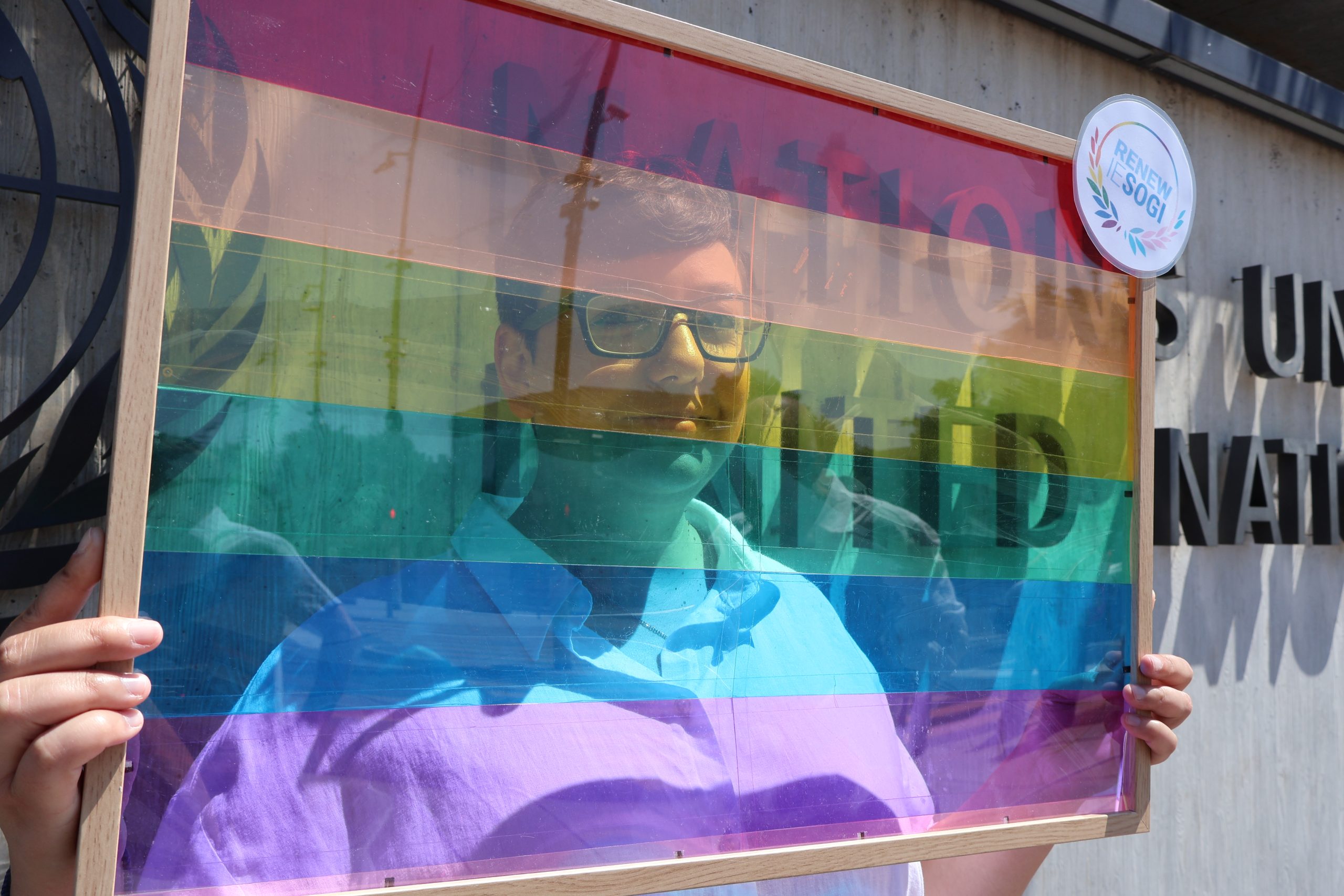
‘The UN human rights system—especially the Independent Expert on SOGI—is one of the few sources of legitimacy and visibility we have. It is a moral and political shield. Its renewal is not symbolic; it is essential. Without it, our lives and struggles risk being even more invisible and abandoned.

But the UN human rights system as a whole must do better.

First, it must become more accessible. Communities on the ground often don’t know how to engage or see any concrete results from engagement. Bureaucracy should not stand between a victim of hate crime and a system meant to protect them.

Second, it must protect us. Many defenders, especially trans and lesbian activists, are burnt out, under attack, and without recourse. The UN must put in place real-time mechanisms to respond to attacks on human rights defenders.

Third, it must center intersectionality—not just as a buzzword, but as a practice. The realities of being LGBTI and poor, rural, Roma, refugee, or a survivor of violence must be front and center.

We don’t want pity. We want rights. We want to live freely and safely, with dignity, like anyone else. The UN must rise to the challenge—not only to protect the LGBTI community, but to uphold the credibility of the entire human rights system.‘

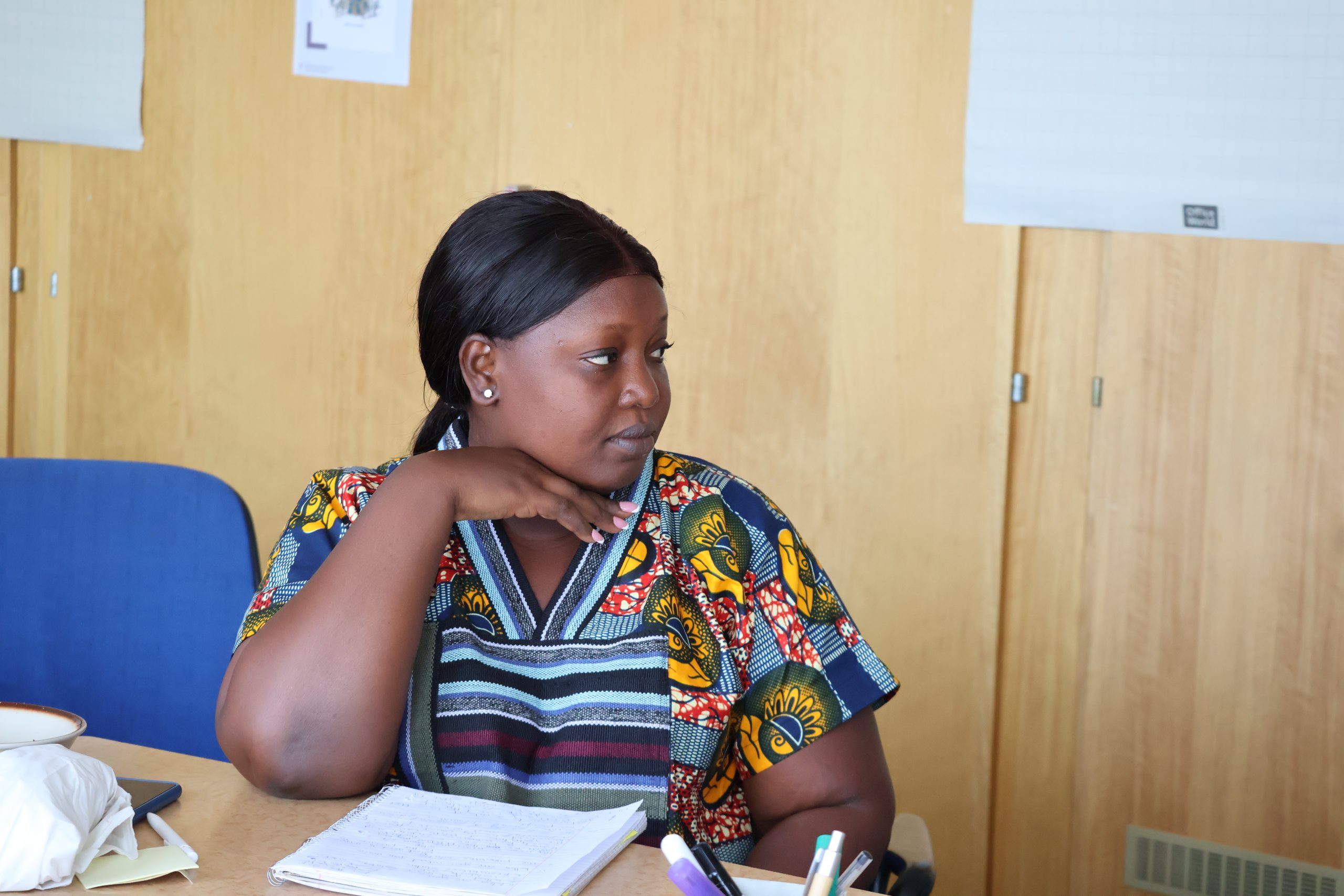
Mariama Jumie Bah

Human Rights Defenders Network Sierra Leone

Mariama Jumie Bah

‘The UN might be a multilateral arrangement for States, but ultimately it needs to be responsive and accountable to “we, the peoples”, as stated in the UN Charter. 

We organise ourselves as civil society – paid or unpaid, formal or informal – and are key stakeholders in the design, development and implementation of all UN outcomes, especially those of the human rights bodies and mechanisms. It is time to take us more seriously, and to formalise our role and existence.

Back home, when I told the women human rights defenders in my network that I am coming here to Geneva, they all told me ‘don’t bother, you can’t do anything there’. They say this is an institution created by the wealthy and powerful States to serve only themselves. Will this be the legacy of the UN at 80, or can we address this perception meaningfully?’

Laura Restrepo

Committee for Solidarity with Political Prisoners (CSPP) & FDSS, Colombia

Laura Restrepo

‘We cannot afford to speak of human rights in purely technical terms. We cannot treat structural inequality as a background issue. If the UN is to live up to its principles, it must take a more honest and active stance toward this systemic injustice.

So what can the UN do to remain relevant and responsive — not just in Colombia, but across similar contexts — to better address these structural and historical systems?

The UN must look inward and acknowledge its own colonial legacies — in who speaks, who decides, and whose knowledge counts. It must shift power toward grassroots and frontline communities, especially those that have been historically silenced.

It must treat systematic matters as core drivers of violence and exclusion, and not simply as issues to be managed through side panels or technical cooperation.’

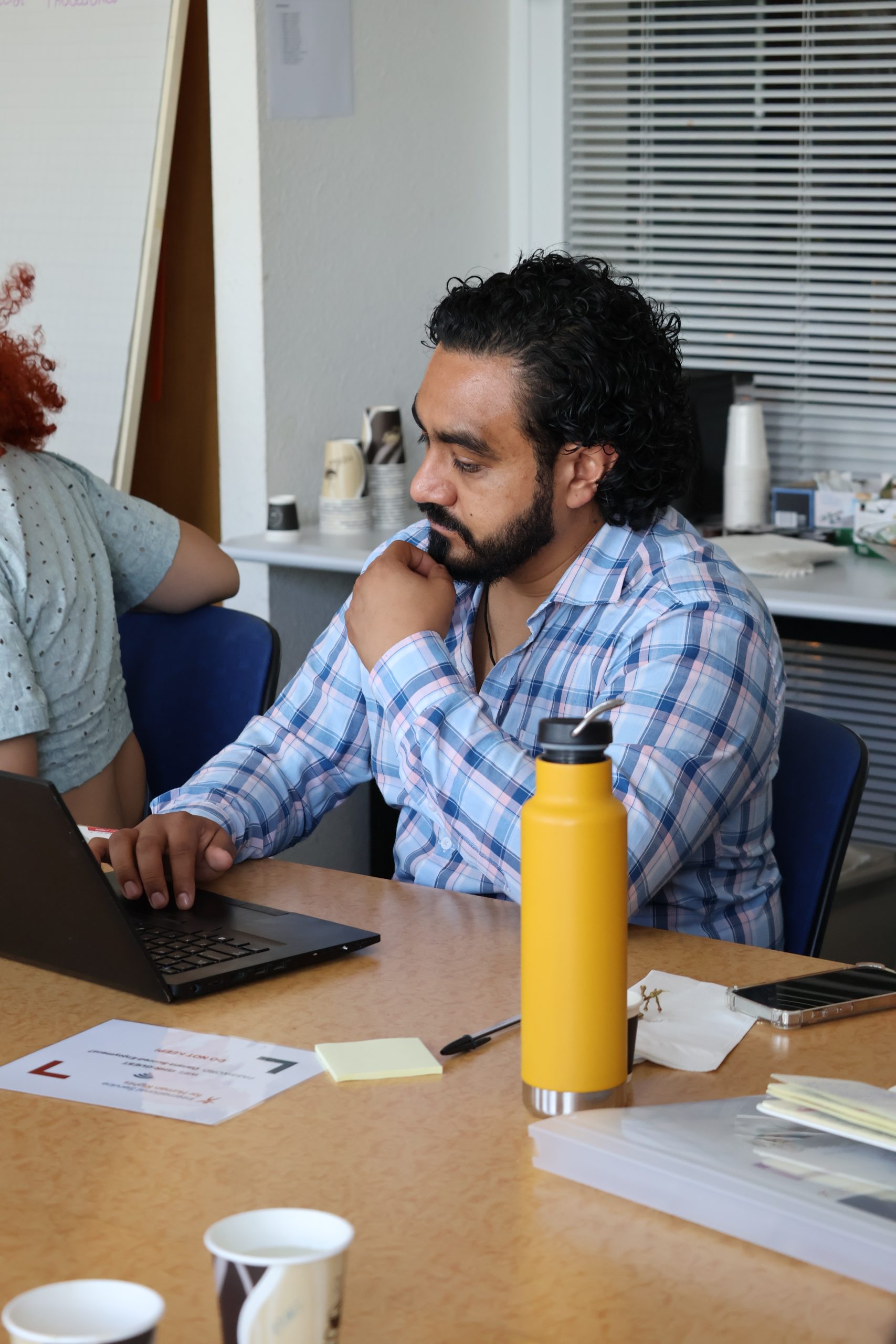
Douglas Juárez

American Friends Service Committee, Guatemala

Douglas Juárez

‘From our work with the communities, we feel a lost of hope regarding the human rights agenda… A cultural shift is needed from the UN and this needs to reach the “unconvinced” and strengthen the social movements advancing human and environmental rights from the bottom-up.’

What are human rights defenders saying? 

What are human rights defenders saying? 

ISHR ran an online survey for human rights defenders and organisations working in national and regional contexts between 3 June and 16 July 2025. We received 171 responses. Read an analysis of defenders' views on the future and the reforms of the UN.

Read the findings

Additional Resources

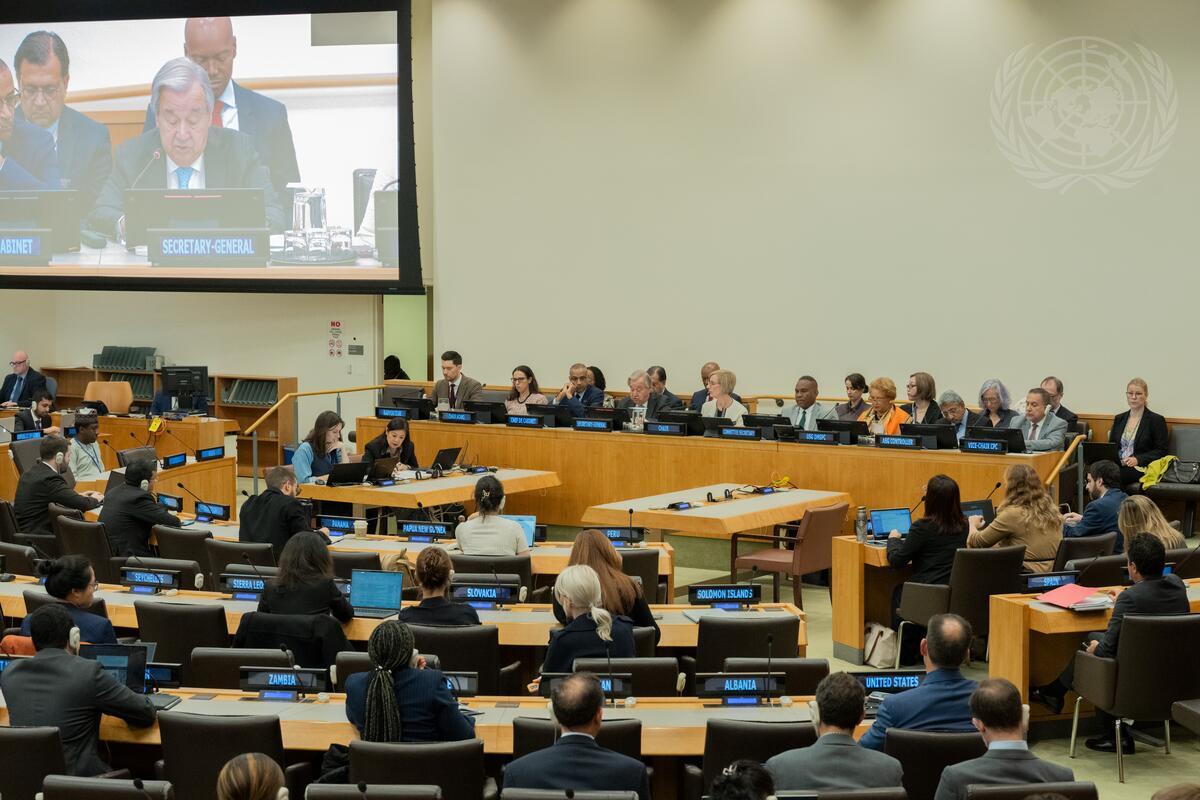
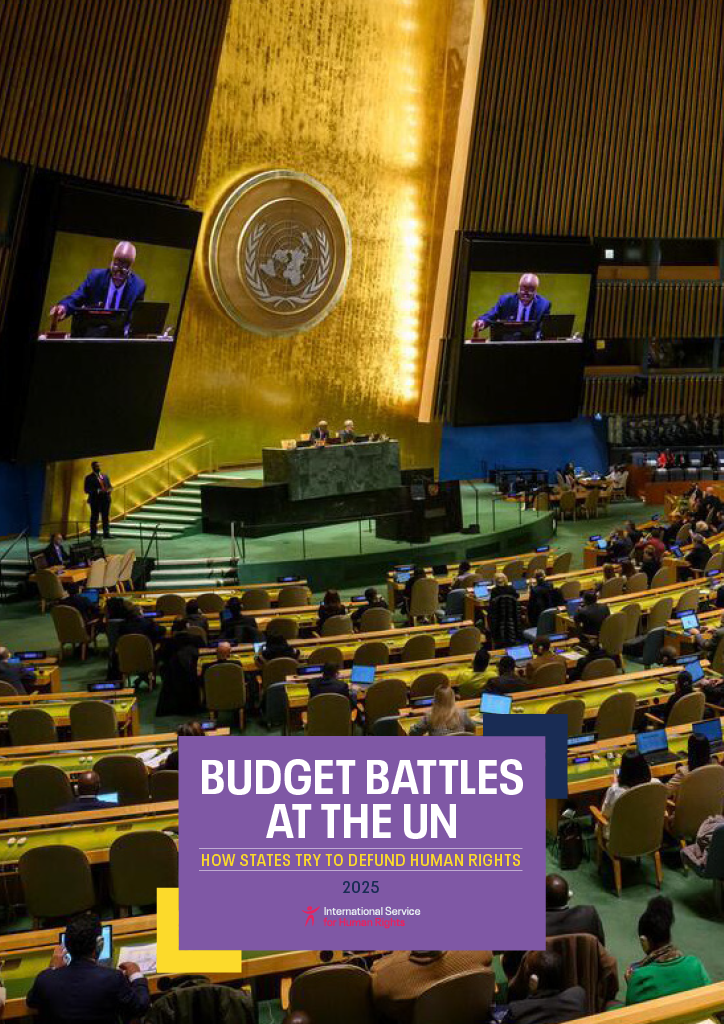
Secretary-General António Guterres (fourth from left at dais and on screen) addresses the Fifth Committee on the Proposed Programme Budget for 2026.

General Assembly reporting cuts to Special Procedures mandates: an analysis

In 2025, the General Assembly adopted resolution to reduce the Third Committee’s workload. Subsequent discussions established a set of guiding principles aimed at progressively reducing the number of mandates reporting to each session of the Third Committee. Successive efficiency initiatives, the UN’s ongoing budgetary constraints, and the UN80 reform process have further prompted Member States to advance proposals to reduce the reporting periodicity of Special Procedures to the General Assembly. The analysis provides an overview of reductions in reporting implemented so far.

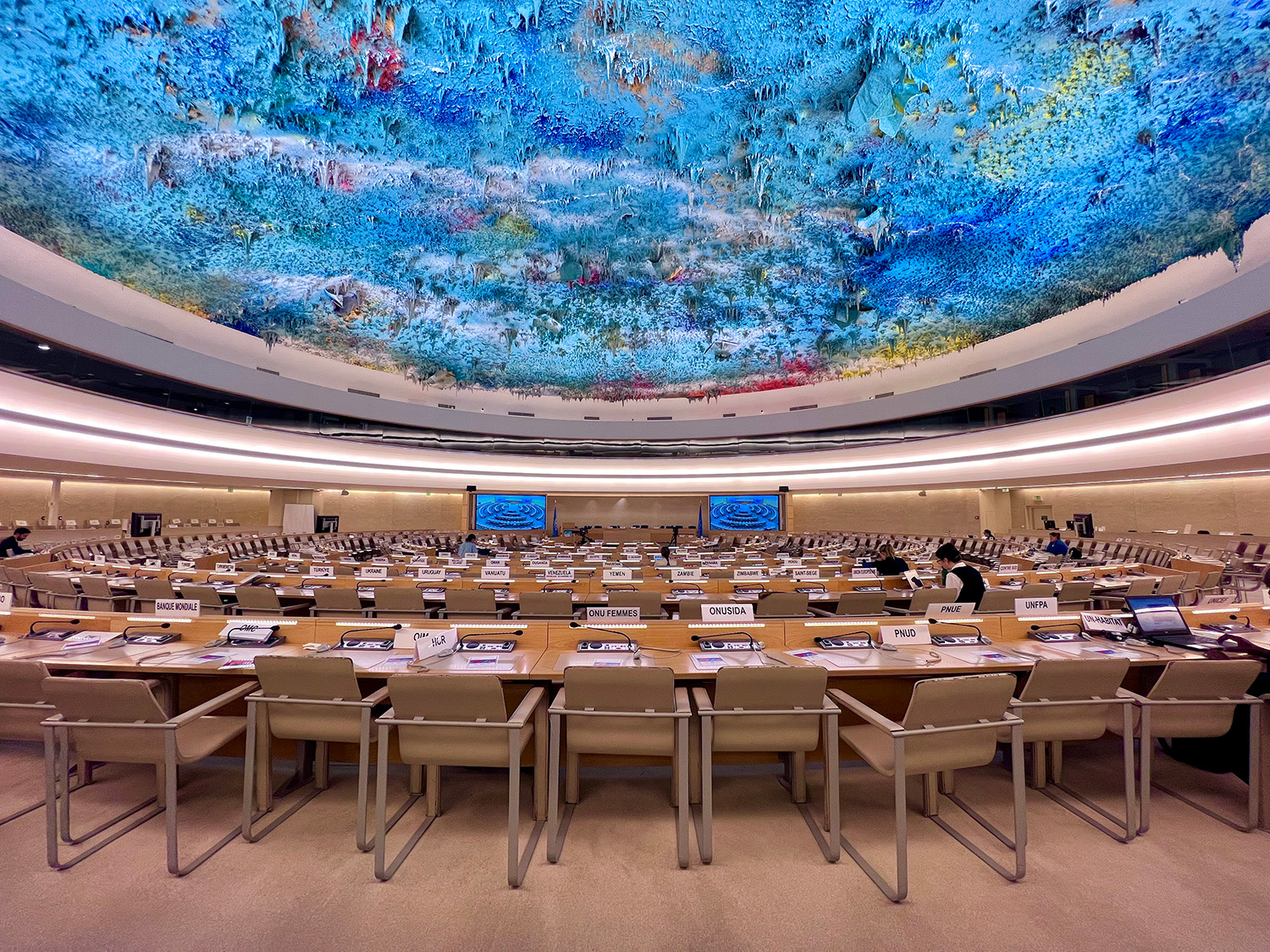
States miss opportunity to strengthen Human Rights Council at its 20th Anniversary

While they acknowledged the interlinkages between human rights, peace and security, and the importance of adequate and sustainable financing of the Human Rights Council, UN Member States decided to maintain the Council’s position as a subsidiary body of the General Assembly. Opinion piece by Program Manager Fabiana Leibl.

ISHR Director's Op-Ed

The Human Rights Council has made indispensable contributions to justice and accountability, yet at times it has fallen short of its mandate. States have the power and the moral obligation to ensure it heads in the right direction, notes lead rights advocate Phil Lynch. Op-Ed published in Geneva Solutions on 17 June 2026.

UN Budget info hub

Landing page in all you need to know about how the UN Human Rights pillar is funded.

A view of the flags outside the UN Headquarters during the second day of the general debate of the General Assembly's seventy-fifth session.

At a crossroads – Breaking the cycle of crisis: Joint civil society submission on the status of the Treaty Bodies

ISHR along with Amnesty International and other civil society organisations submit recommendations for the sixth biennial report of the Secretary-General on the status of the UN human rights treaty bodies.

ISHR Advocate's Op-Ed: Great powers won't save human rights. The rest of us must

In a world dominated by great powers, the UN human rights system still has one last lifeline: strength in numbers, writes Raphaël Viana David, human rights advocate at the International Service for Human Rights. Op-Ed published in Geneva Solutions on 16 March 2026.

90 countries pledge to defend human rights multilateralism at the UN

A cross-regional coalition of 90 States have issued a joint declaration at the UN Human Rights Council emphasising the critical need to defend multilateralism amidst escalating global conflicts and eroding respect for international law and human rights.

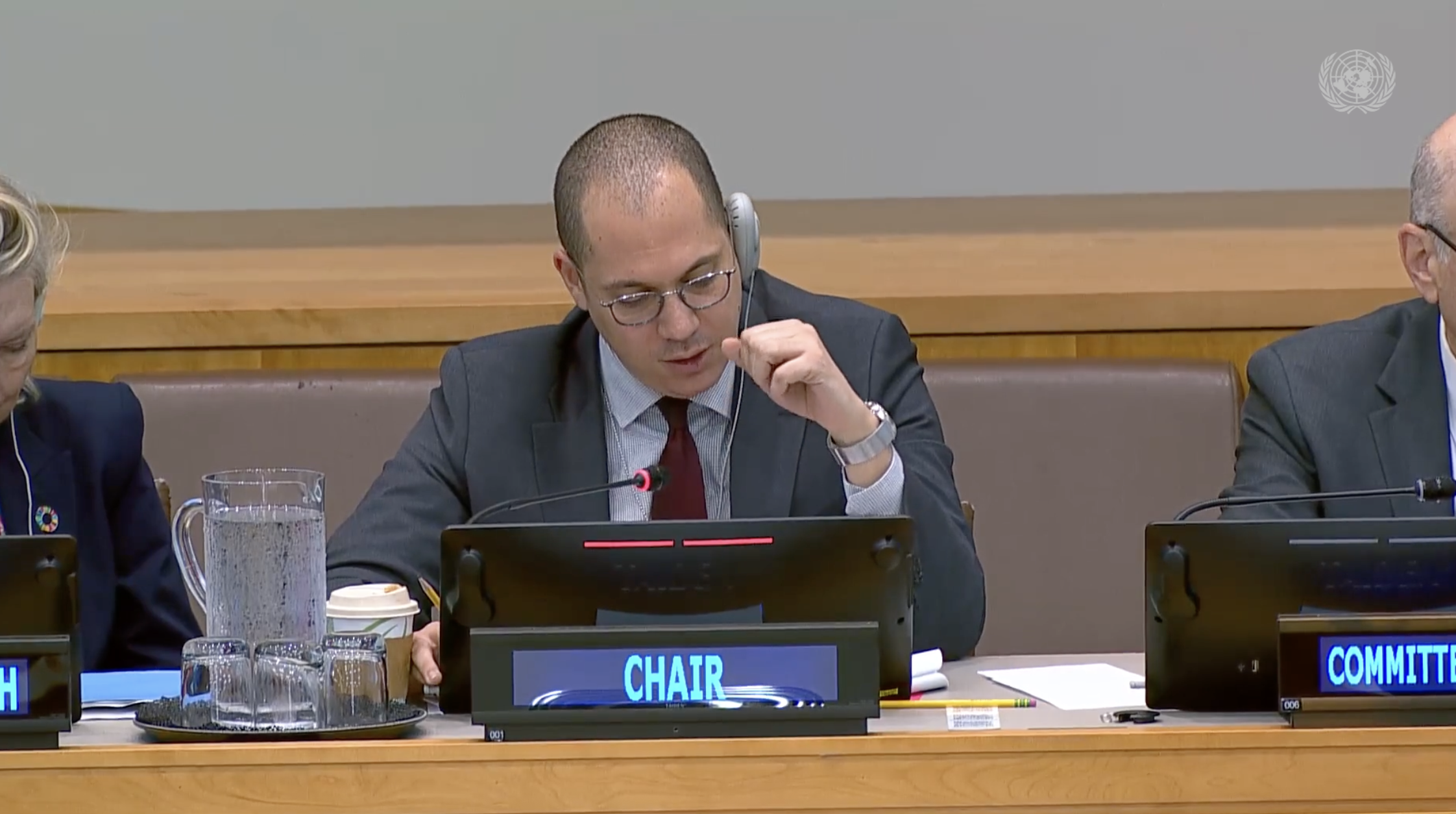
Chair of the Committee on Non-Governmental Organizations moderating during its 2026 resumed session.

UN NGO Committee resumed session: Record low approval for NGOs seeking consultative status

At the last session of its current membership, the NGO Committee’s rate of approval for organisations awaiting consultative status dropped to a record low of 5% amidst continued politicisation of NGO engagement at the UN.

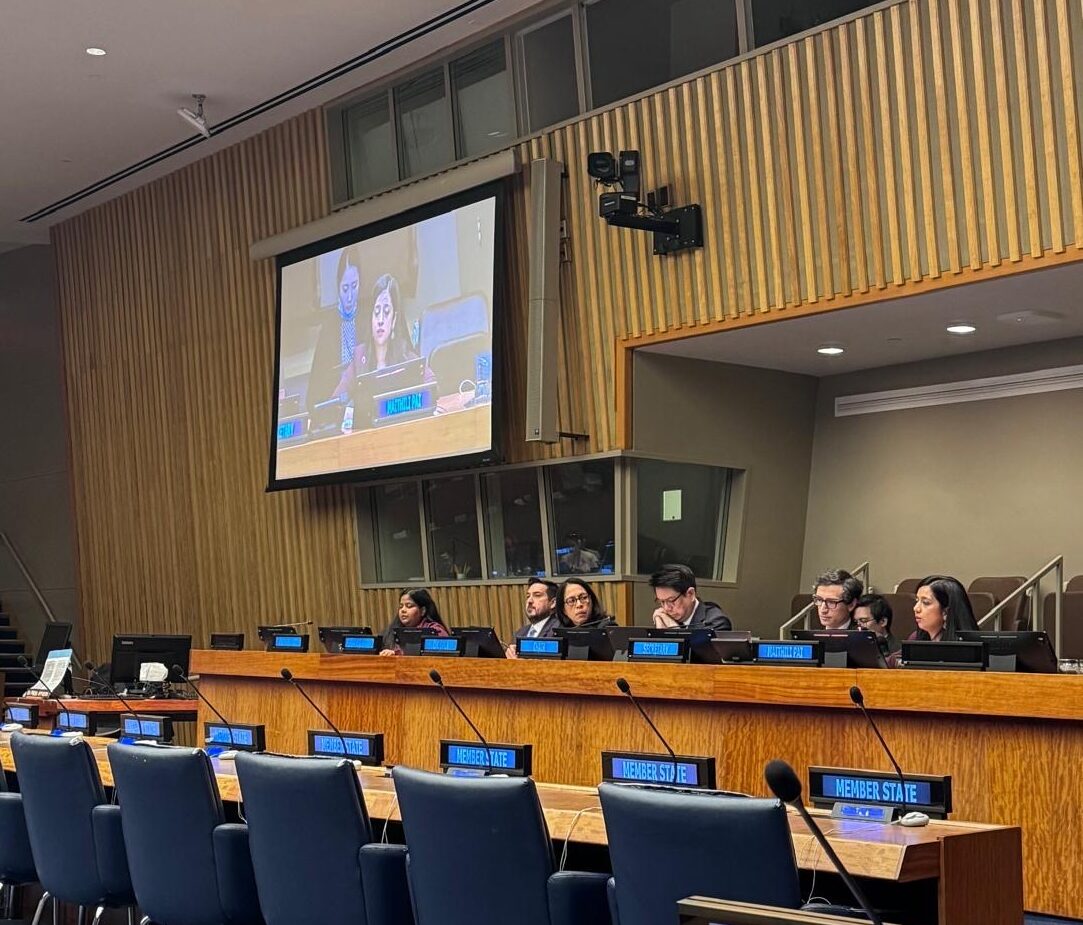
Joint statement at the Third Committee on reforming working methods

On behalf of a coalition of NGOs that closely engage with the General Assembly Third Committee, ISHR’s Maithili Pai delivered a joint statement during an informal meeting between the Chair and civil society surrounding the thematic focus of 'Civil Society Perspectives on Strengthening Working Methods and Delivering on Mandates.'

HRC58: Human rights and multilateralism are essential to global peace and justice, say over 70 States

As international human rights law and institutions face unprecedented erosion, over 70 States from across all world regions came together in March 2025 to re-commit to human rights, the international rule of law, and multilateral cooperation. ISHR was pleased to work with a range of States and other partners in developing and promoting this joint statement.

UN Flag during 76th Session of General Assembly Debate

The multilateralism we need

An ISHR opinion piece on the multilateralism that we urgently need.