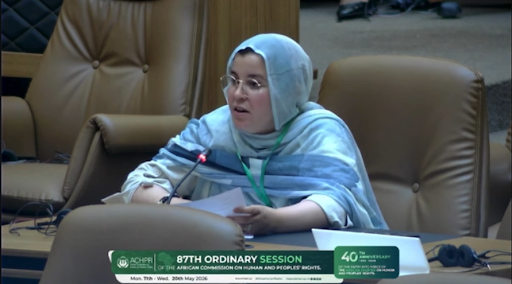
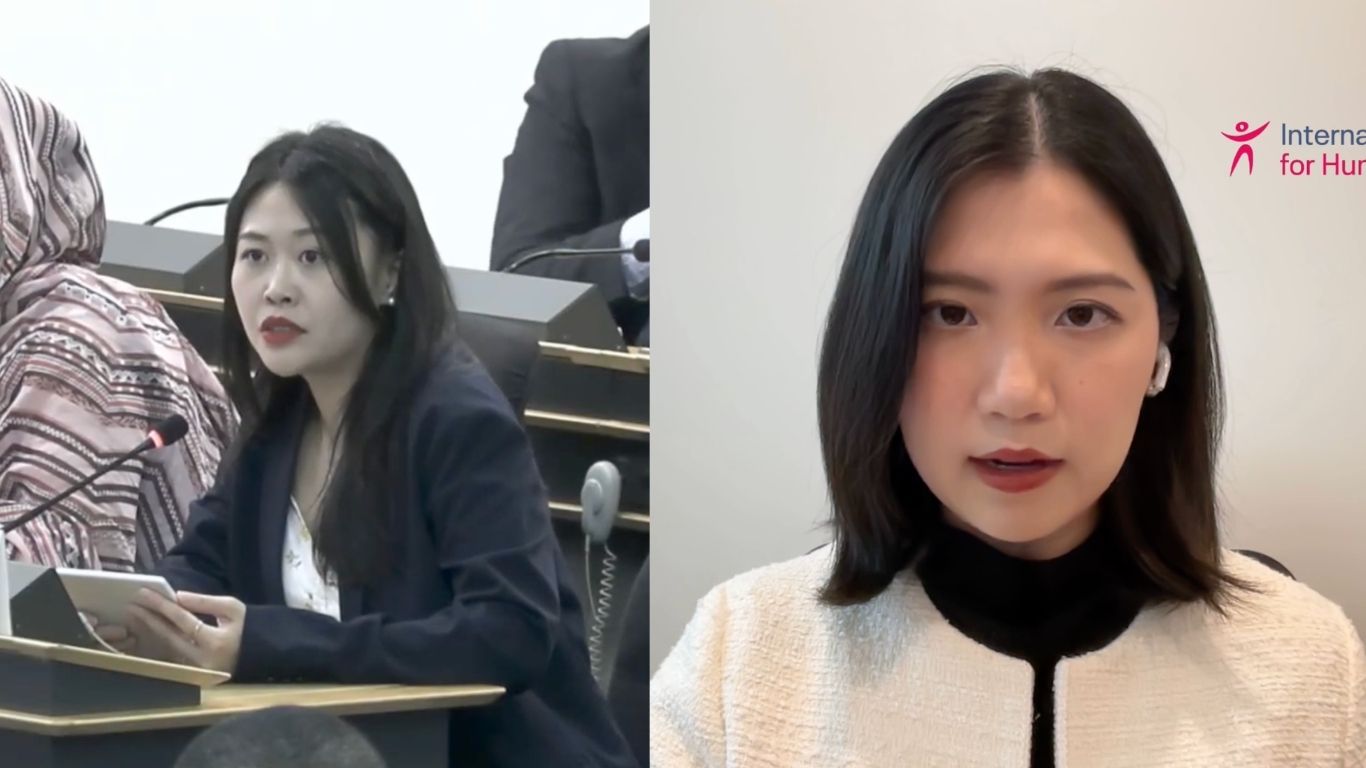
ISHR delivered a statement following the presentation of the activity report of Commissioner Ourveena Geereesha Topsy-Sonoo, Special Rapporteur on Freedom of Expression and Access to Information in Africa and country rapporteur of the SADR.
The statement highlighted the daily struggles of the Sahrawi human rights defenders documenting violations, mobilising communities, or asserting the right to self-determination, as protected under Article 20 of the African Charter. The statement denounced an environment where peaceful human rights work is treated as a security threat, marked by arbitrary arrests, torture, detention, harassment, physical and psychological abuse, sexual violence, and surveillance. This creates a climate of intimidation and self-censorship, limiting defenders’ ability to organise, document violations, or communicate securely.
Sahrawi journalists, bloggers, and citizen reporters face confiscation of equipment, physical assaults, and prosecution for online content. State-aligned media outlets regularly engage in smear campaigns against defenders, portraying them as traitors or foreign agents, thereby legitimising further repression. These patterns are compounded by restrictions on independent monitoring, such as the expulsion of international observers and limitations on access to the territory. These restrictions severely limit the ability of Sahrawi human rights defenders to organise collectively, share information, and exercise their fundamental rights.
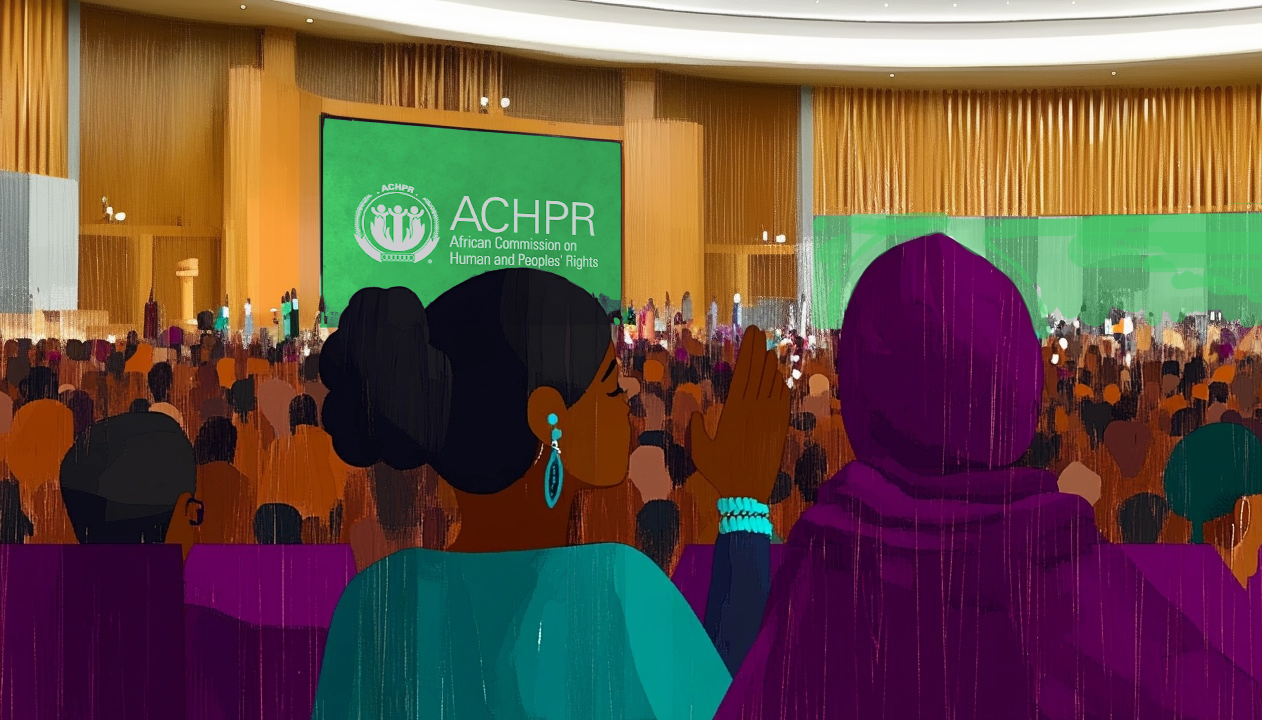
The statement also noted with regret the cancellation of ISHR joint side event entitled “Ending the Silence on the Protection of Human Rights Defenders in Western Sahara,” organised to give the opportunity to the Sahrawi defenders to express themselves. .
The joint statement calls on the African Commission to publicly condemn reprisals, intimidation, and harassment against Sahrawi human rights defenders and civil society actors, including those engaging with the Commission and other international mechanisms. It further urges the Commission to ensure systematic and sustained follow-up on cases related to human rights violations in Western Sahara, facilitate safe and confidential channels for Sahrawi civil society to engage with the Commission, and initiate a fact-finding mission to assess the situation of human rights defenders and civic space in the territory.