
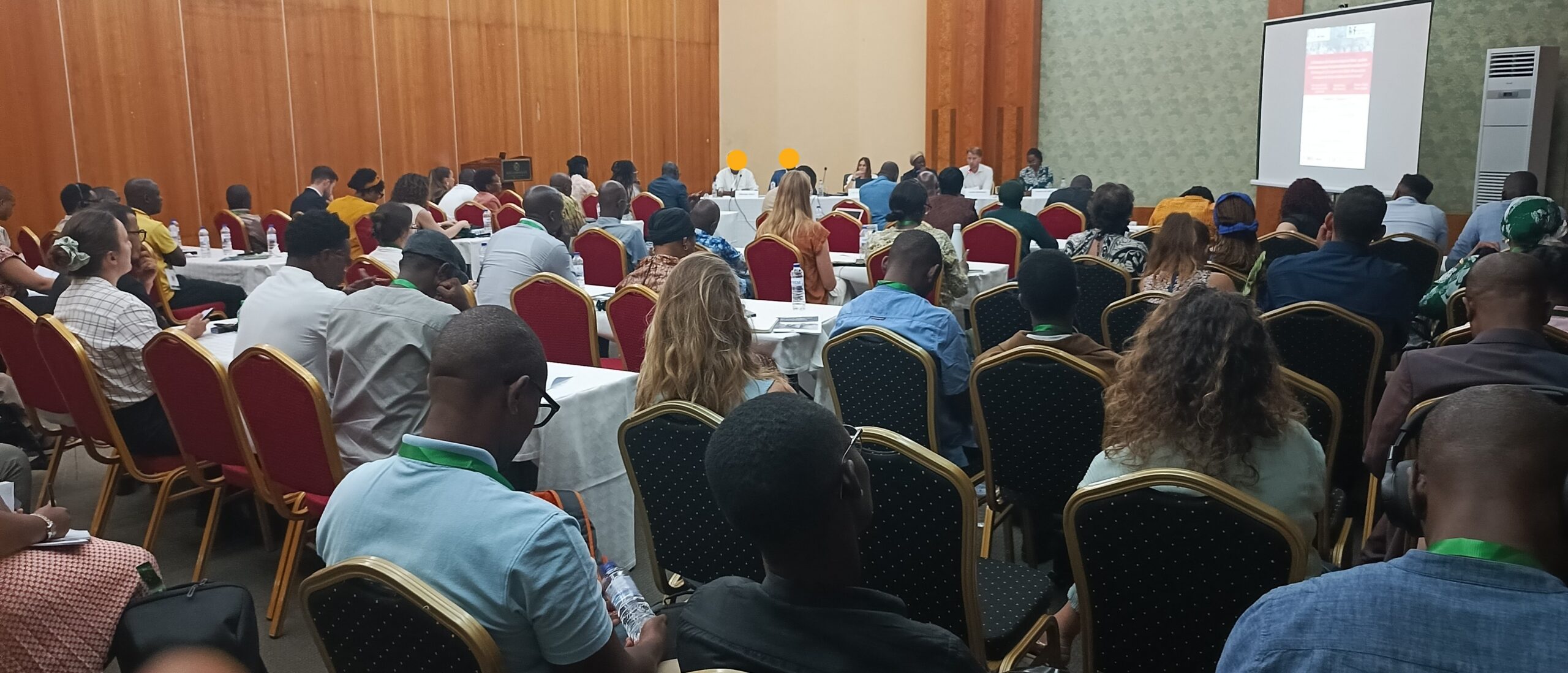
ACHPR89: Civic space, press freedom alarmingly constrained in the Sahel
At the margins of the 89th session of the African commission, civil society groups discussed the growing challenges and threats weighing on journalists working the Sahel.
The African Commission on Human and Peoples’ Rights (ACHPR) is the body set up under Article 30 of the African Charter on Human and Peoples’ Rights (hereafter referred to as the African Charter) adopted in 1981 by the African States. It was established in July 1987 in Addis Ababba, Ethiopia, and its secretariat is based in Banjul, Gambia. The main role of the Commission is to monitor the implementation of the African Charter.
The Commission is made up of 11 members who are nominated by the States and then elected by the African Union Assembly. The Commissioners are elected for six-year renewable terms and serve in their personal capacity (art.31 of the African Charter). The Commissioners are assigned a certain number of countries where they are mandated to promote the African Charter and monitor violations of human rights.
According to article 45 of the African Charter, the ACHPR has the following three main responsibilities:
The ACHPR meets twice a year. It examines State reports, adopts resolutions, and studies individual complaints. The Commissioners also report on country visits, promotion activities, and thematic studies. At each session, the Commissioners interact with Human Rights Defenders. Using these reports, the ACHPR gives general observations to the States concerned. It can also pass on its general observations, the State party report and its comments to the Assembly of Heads of State and Government of the African Union.
In relation to its role as protector, the ACHPR receives two types of communication:
In the role of promoter (art. 45 of the African Charter), the members of the ACHPR can decide on different activities to promote the African Charter (e.g. the sorting of the Commissioners into different geographical work zones) in order to improve the comprehension and the knowledge of the African Charter by the State parties.
To deal with specifics issues of human rights in Africa, the ACHPR has set up a number of special procedures and working groups focusing on particular thematic issues:
– Specific questions linked to the ACHPR’s work
– Indigenous populations/communities
– Economic, social and cultural rights
– The death penalty
– Extractive industries, the environment and human rights violations in Africa
– The rights of elderly people in Africa
For further information on the ACHPR, its sessions and inter-sessional activities, please see the official Website of the African Commission on Human and Peoples’ Rights, available in English and in French.
At the margins of the 89th session of the African commission, civil society groups discussed the growing challenges and threats weighing on journalists working the Sahel.
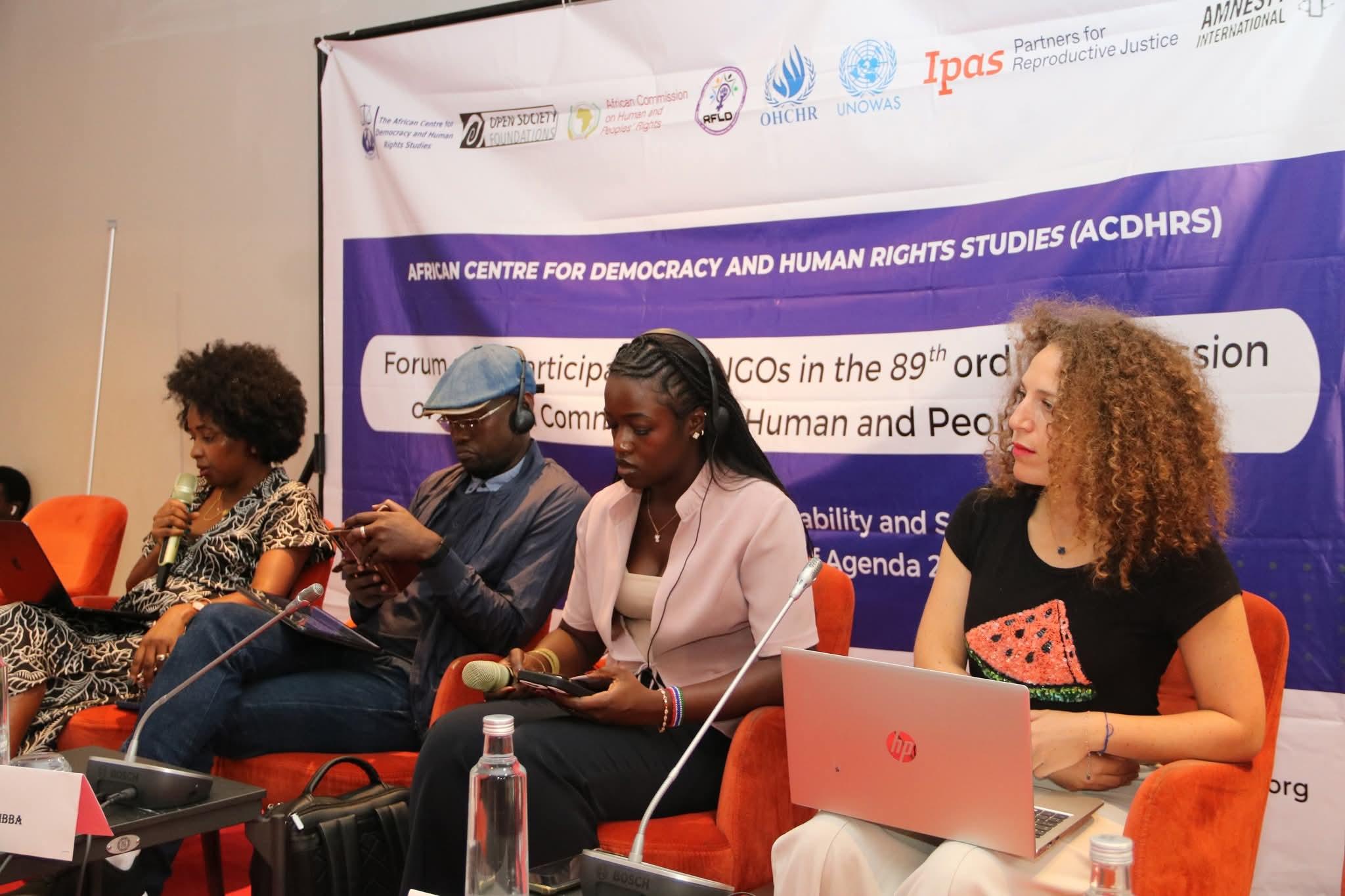
At the NGO Forum ahead of the 89th session of the African Commission, a high-level panel discussion tackled the growing issue of transnational repression in Africa.
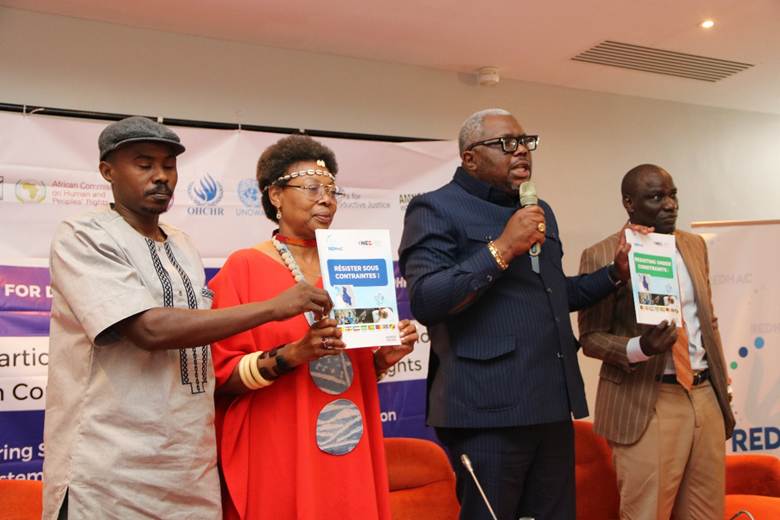
Ahead of the 89th session of the African Commission on Human and Peoples' Rights, the NGO Forum convened a panel on cross-border issues affecting human rights defenders in Central Africa and presented a new publication.