Release all arbitrarily detained defenders in the Philippines
As she is ‘almost free’, former Senator de Lima along with ISHR calls on the Human Rights Council to release others who remain arbitrarily detained in the Philippines.
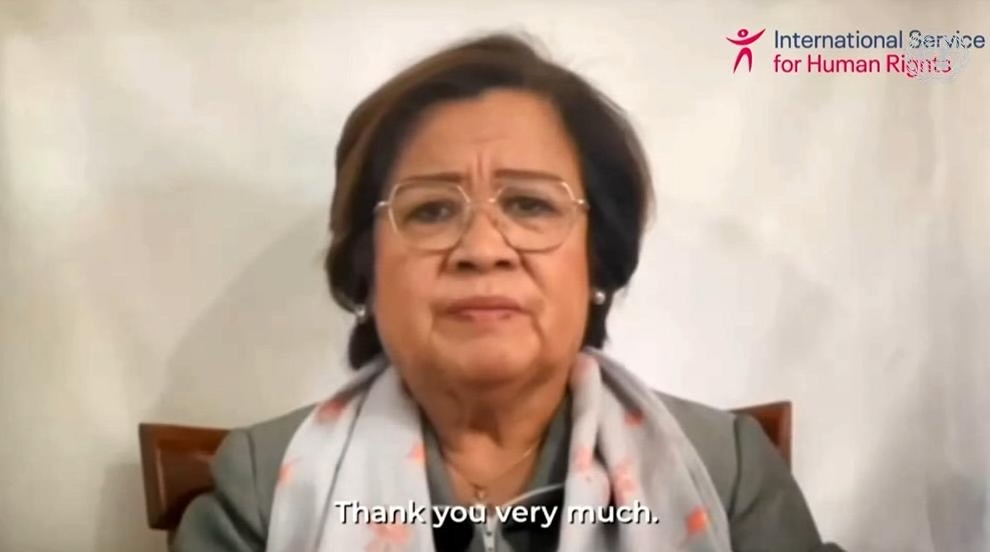
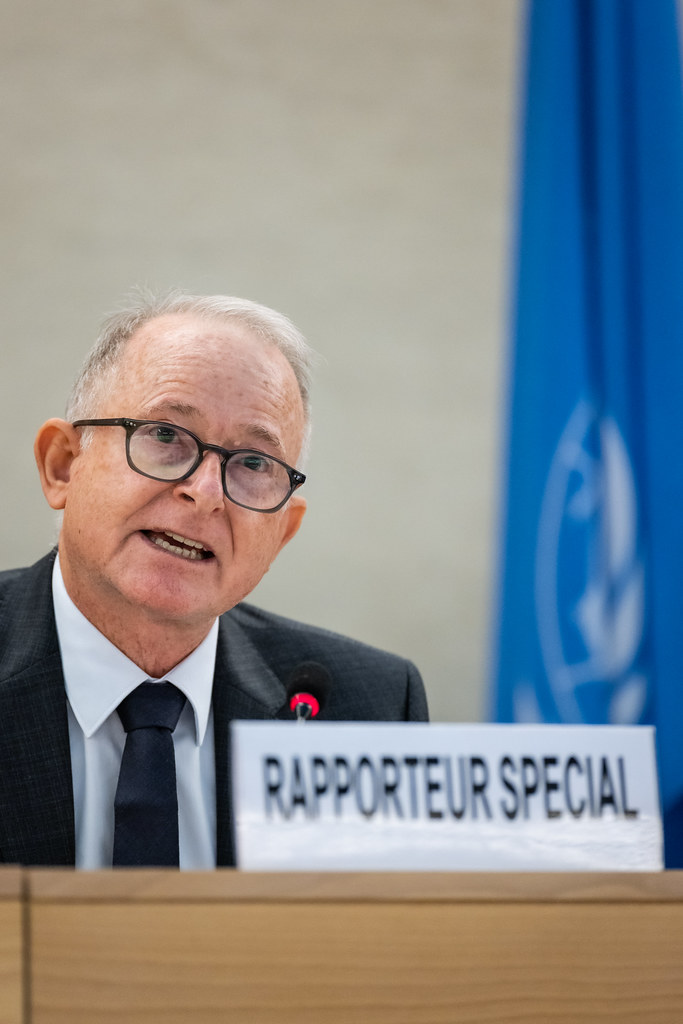
In a statement made during the interactive dialogue with the Special Rapporteur on human rights defenders, Mary Lawlor, former Senator de Lima welcomed the focus of the Special Rapporteur’s report on gender-based threats and attacks against young defenders.
Drawing parallels with attacks faced by women human rights defenders in the Philippines, de Lima commits to working with young people to defend rights, as is crucial to preserving democracy in the Philippines.
Sharing her personal story, de Lima highlighted the Human Rights Council’s role in monitoring the human rights situation in the Philippines and expressed appreciation for the solidarity of UN experts, Treaty Bodies, the High Commissioner and civil society organisations. De Lima was recently released. She was jailed for almost 7 years on fabricated charges designed to silence the voices that she represents as a legislator – the drug war victims and their families.
De Lima has also been central in actions seeking to strengthen the national legal framework for human rights defenders, in presenting Senate Bill 179 in February 2018, pending with the Senate Committee on Justice and Human Rights.
De Lima ended the statement by urging the Council to continue to address persisting human rights violations and called for the release of others arbitrarily detained.
Author
Tess McEvoy
Tess McEvoy leads ISHR’s work on women and LGBTI human rights defenders, ISHR’s legal protection work and Treaty Bodies, and co-leads ISHR’s legal team which engages in strategic litigation for the protection of human rights defenders.
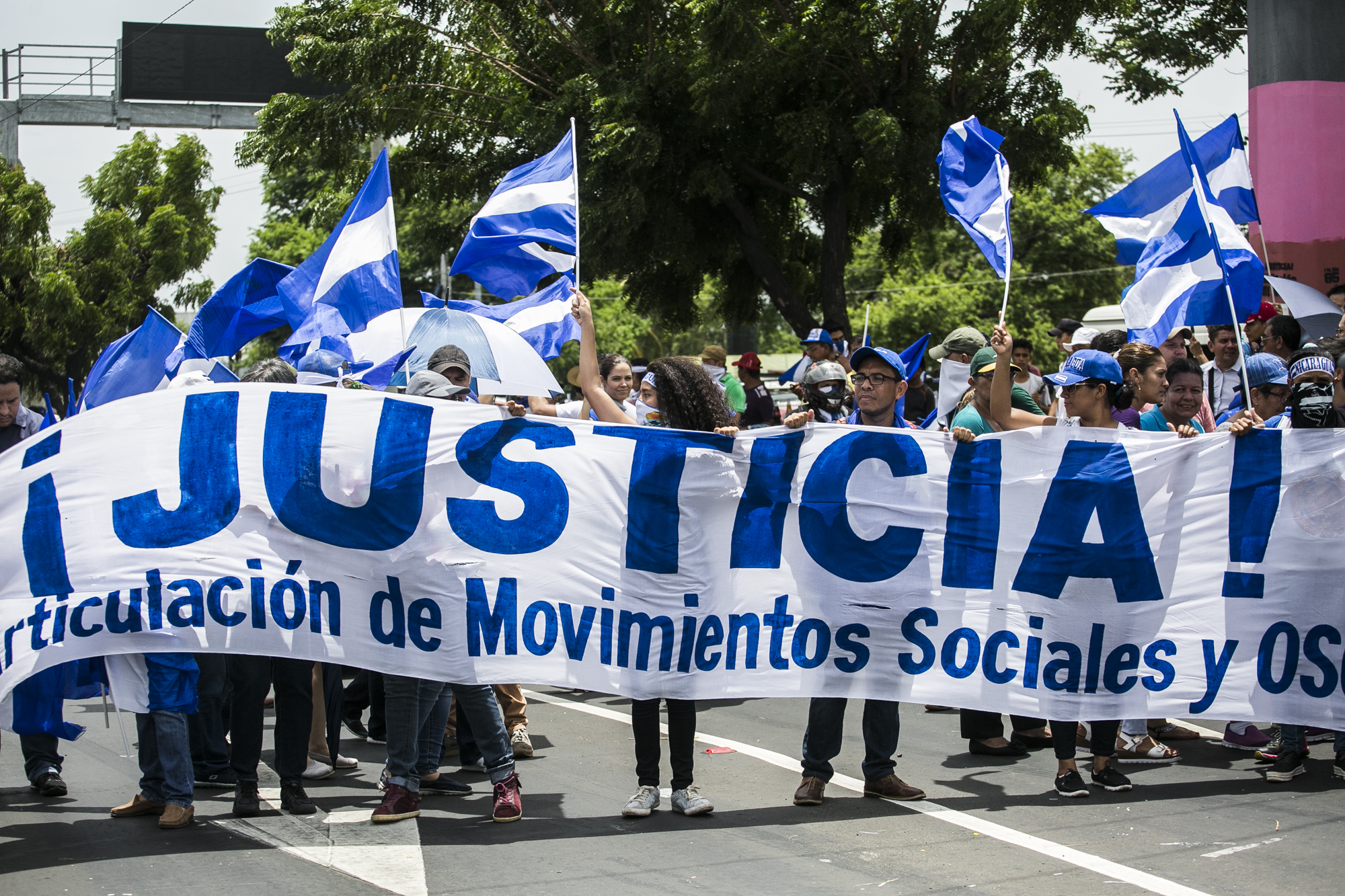
At the Human Rights Council's session, 47 States jointly denounced the dismantling of democracy in Nicaragua, while UN experts presented new evidence of systematic repression, enforced disappearance and deaths in State custody.
The Human Rights Council has renewed the mandate of the Special Rapporteur on Afghanistan for another year, maintaining dedicated scrutiny of the rights of women and girls. ISHR welcomes the renewal and calls on States to make sure the new Independent Investigative Mechanism for Afghanistan is up and running without delay.
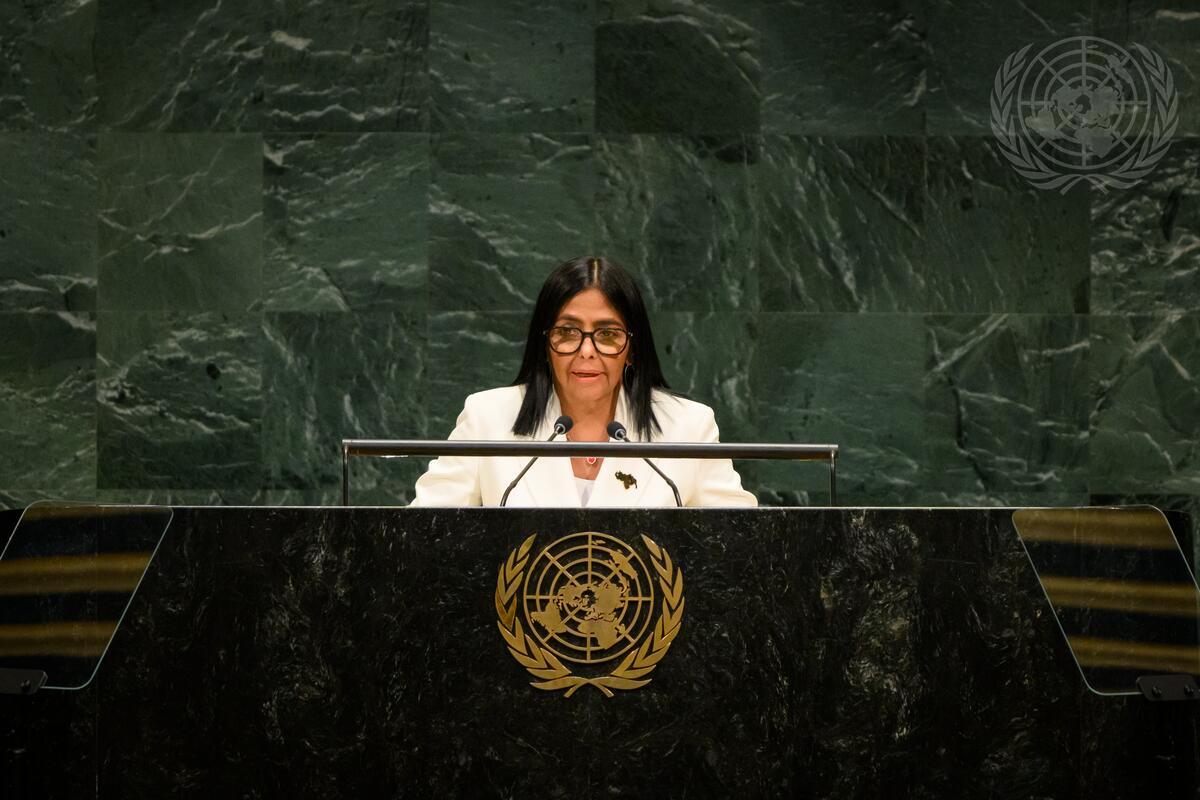
The Human Rights Council renewed the mandates of its Fact-Finding Mission on Venezuela and of the Office of the United Nations High Commissioner for Human Rights to monitor human rights in the country, at a time when global scrutiny is more needed than ever to ensure reforms respect and protect human rights.