Zambia UPR: Adopt legal measures to protect defenders from reprisals
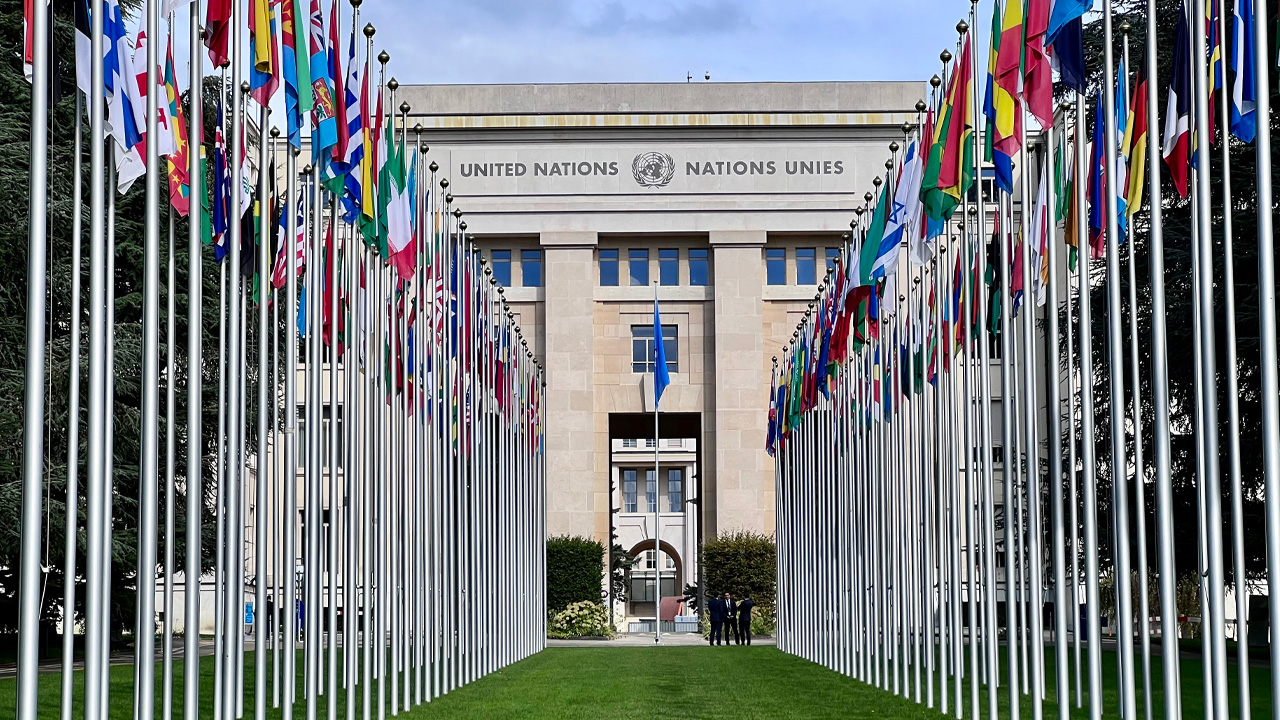
At the 53rd session of the UN Human Rights Council, during the adoption of the Universal Periodic Review (UPR) report of Zambia, ISHR, the Southern African Centre for Constructive Resolutions of Disputes and the Zambia Human Rights Defenders Network delivered a joint statement calling on Zambia to revise its legal instruments and adopt an adequate legal framework to ensure defenders can work in a safe environment without fear of reprisals.
Zambia accepted 226 recommendations out of the 250 recommendations received during its 4th cycle of the UPR. The delegation explained that it noted recommendations related to the LGBTQI community due to its incompatibility with the Zambian Constitution. Zambia justified its refusal to accept recommendations addressing Indigenous Peoples and their rights, explaining that there are no Indigenous People within Zambia. Additionally, the delegation mentioned launching a national mechanism for the implementation, reporting and follow-up on international instruments to fight the backlog.
In their statement, ISHR jointly with the Southern African Centre for Constructive Resolutions of Disputes (SACCORD) and the Zambia Human Rights Defenders Network welcomed the acceptance of recommendations focusing on the protection of freedom of expression, opinion, peaceful assembly, protection of human rights defenders and civil society by enacting legislation prohibiting torture. Nevertheless, the statement mentioned some important concerns, including provisions of the Penal Code of 1955 instrumentalised against defenders.
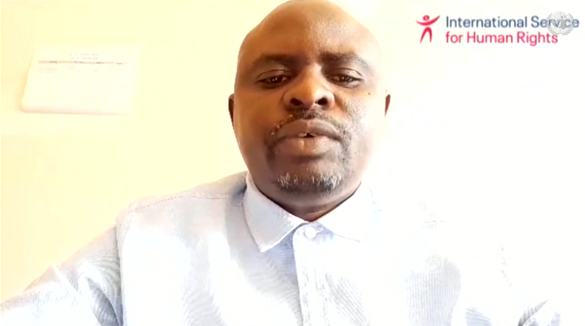
‘We remain equally concerned by the Government’s refusal to repeal laws which criminalise minority groups, as they hinder the work of defenders who work on issues related to gender-based violence’, stated Arthur Muyunda, Coordinator of the Zambia Human Rights Defenders Network.
In July 2022, ISHR and the Southern African Centre for the Constructive Resolution of Disputes (SACCORD) submitted a UPR briefing paper highlighting the serious risks defenders in Zambia face for expressing their views and opinions. The risks may be in the form of verbal attacks, harassment and severe police charges and court sentences.
Finally, ISHR and the Zambia Human Rights Defenders Network call on Zambia :
To develop and enact a specific legal framework to recognise and protect defenders’ work, giving full effect to the UN Declaration on Human Rights Defenders at the national level
To amend section 155 of the Penal Code to ensure consistency with international human rights standards.
Author
Anusika Vinasithamby
Anusika is currently completing her Master’s Degree in Human Rights at the University of Oslo. In her past experiences with NGOs such as Child Rights Connect and Human Rights Watch, she has been very engaged in child empowerment and advocacy work related to human rights abuses in several countries. Also, she has volunteered in fundraising projects for children and supported asylum-seekers with their integration. Due to Anusika’s Sri Lankan roots, she aims to empower vulnerable groups of society, including girls, women and refugees.
Ahead of the 89th session of the African Commission on Human and Peoples’ Rights, the NGO Forum convened an inaugural panel on advancing water justice and democratic inclusion for Communities Discriminated on Work and Descent in Africa.
At the margins of the 89th session of the African commission, civil society groups discussed the growing challenges and threats weighing on journalists working the Sahel.
UN experts officially warned Russian authorities they were looking at allegations of laws placing strict and discriminatory burdens on the work of Indigenous rights groups and activists.