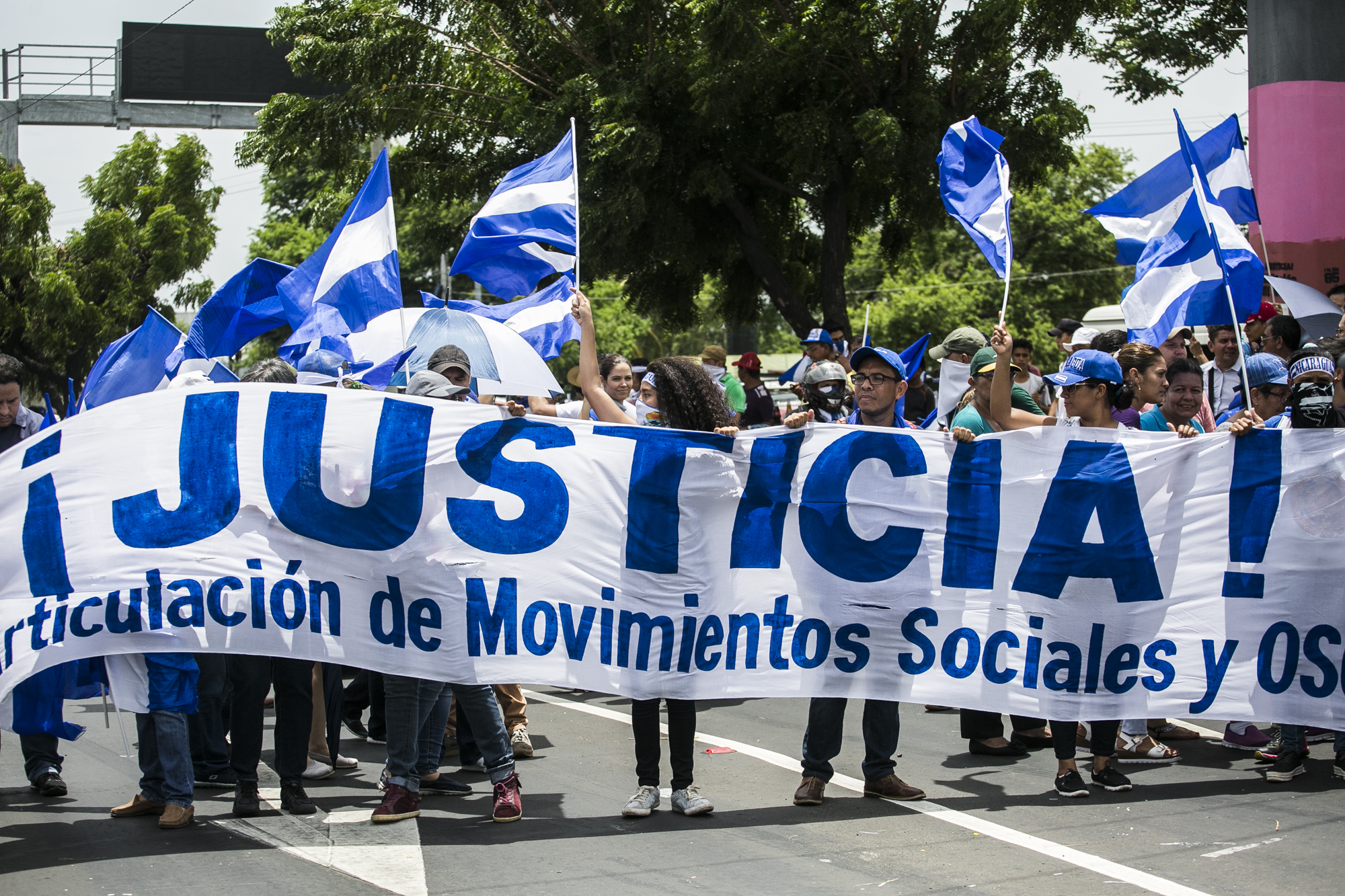
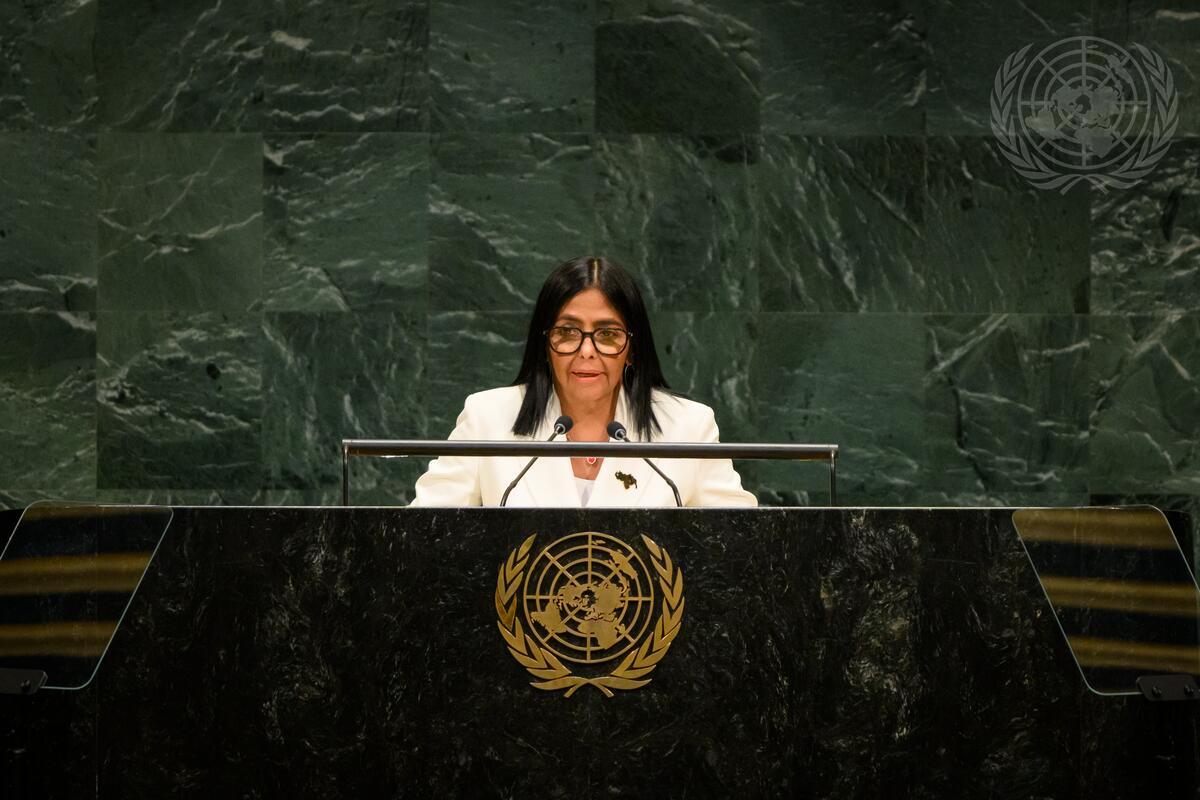
Nicaragua was back on the UN Human Rights Council’s agenda in September, as Costa Rica led a joint statement on the country’s rights crisis on behalf of a cross-regional group of 47 States, the largest group position on the matter since March 2023. The group strongly rejected the announcement by Nicaraguan co-presidents Daniel Ortega and Rosario Murillo that no further elections will be held with the participation of dissenting voices and opposition parties, and reaffirmed their support for free, pluralistic and transparent elections.
In addition to the nine members of the Council’s Core Group on Nicaragua, the statement was endorsed by delegations from Western and Eastern Europe, North America, and Asia-Pacific. They condemned the ‘total concentration of State power in the ruling party’ and the persecution of real or perceived opponents inside and outside the country, through surveillance, harassment, deprivation of nationality and extrajudicial executions.
Echoing the public condemnations by the Group of Human Rights Experts on Nicaragua (GHREN) and UN Special Rapporteurs, the 47 governments expressed dismay at the death in custody of Miskito Indigenous leader Brooklyn Rivera after nearly three years of incommunicado detention. They urged a prompt, independent, impartial and transparent investigation and accountability, and for the authorities to disclose the fate and whereabouts of relatives and supporters who reportedly disappeared after seeking to recover his remains.
Lastly, the group regretted Nicaragua’s refusal to cooperate with the Universal Periodic Review and its withdrawal from the Council, and urged it to resume cooperation with international and regional mechanisms, grant them unrestricted access to the country and immediately release all arbitrarily detained persons.
In a subsequent decision adopted by consensus by all Member States, the Council decided to consider the steps that may be necessary to respond to Nicaragua’s persistent non-cooperation at its 65th session in June 2027.
UN documents ‘silence and fear’ across all sectors of society
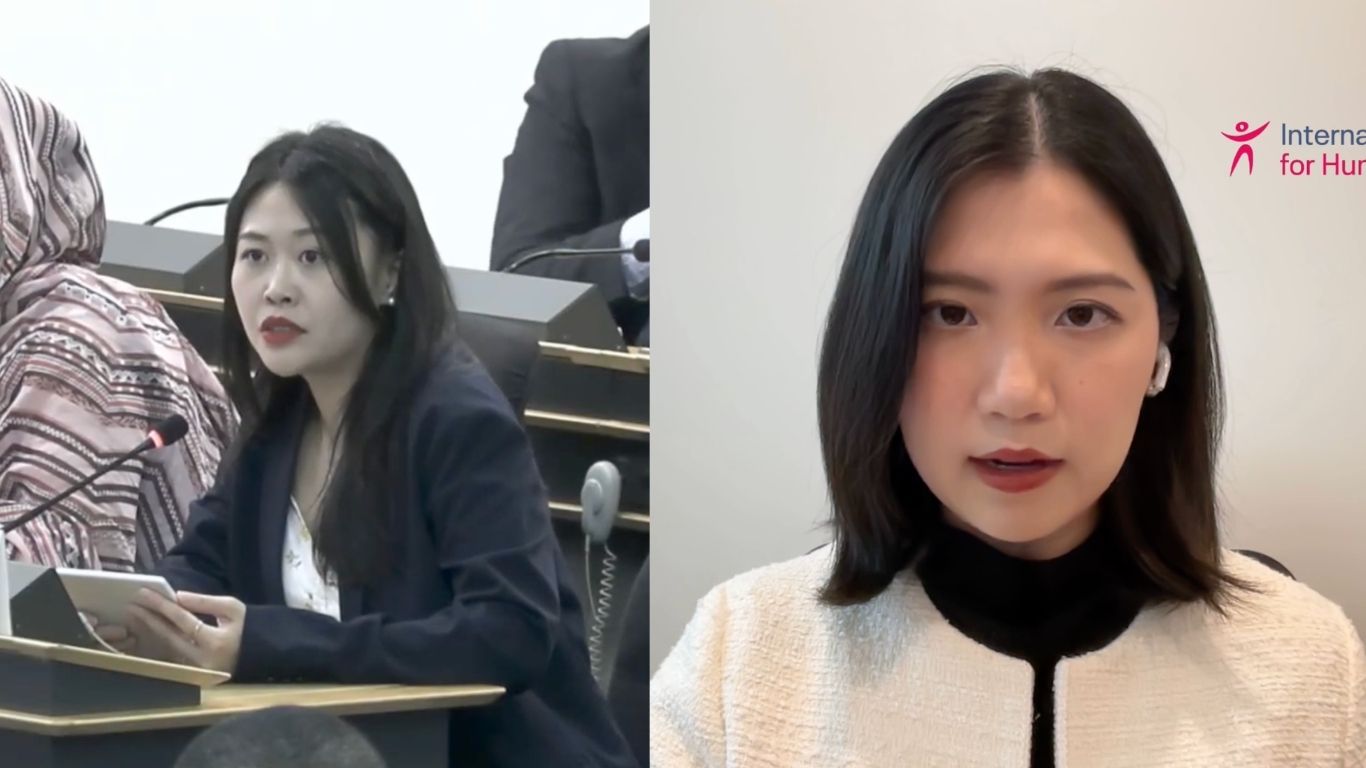
During the Council’s dialogue on Nicaragua on 21 September, Maarit Kohonen Sherif presented the latest report by the Office of the High Commissioner for Human Rights (OHCHR) on the country, highlighting the total absence of political pluralism, the impact of 2025 constitutional reform, increasing repression through arbitrary detention and enforced disappearances, and the hollowing out of civil society space with the closure of 56 media outlets and the cancellation of the legal identity of over 5,500 civil society organisations since 2018.
The report also highlighted violence against Indigenous communities, femicides, and hate crimes against LGBTIQ+ persons. Indigenous Peoples and Afrodescendant continue to face State-backed extractive activities and new legal provisions that strip them of their ancestral territory and collective rights, with reports of violence against Indigenous girls, including abductions and sexual violence.
OHCHR urged States hosting Nicaraguans to step up protection and support for victims, not to extradite or expel anyone at risk of irreparable harm, and to strengthen cooperation to investigate and respond to transnational repression. It also called for concerted diplomatic efforts, backed by multilateral organisations, comparable to those that helped restore rights elsewhere in Central America’s history.
One day later, the GHREN published a detailed report on enforced disappearance and deaths in custody, describing a strategic shift by State authorities toward prolonged disappearances and ‘State cruelty’. The Group verified 161 cases of enforced disappearance since 2018, with 29 ongoing as of August 2026 – the real number is expected to be significantly higher. It also documented eight cases of deaths in State custody of individuals arbitrarily detained on political grounds, due to torture, neglect, or ill-treatment, with emphasis on that of Brooklyn Rivera.
According to the Group, these acts, which were facilitated through coordination and omissions involving the National Police, the National Prison System, the Ministry of the Interior, the Public Prosecution’s Office and the justice system, amount to the crimes against humanity of imprisonment, torture and other inhumane acts (namely, enforced disappearance), and persecution on political grounds. It recalled its recommendations for States to exercise universal jurisdiction over such crimes, adopt targeted sanctions against responsible officials and institutions, and take such acts into account in considering any financial engagement with Nicaragua and decisions on preferential market access.
Earlier in June, the Group had released a separate report on gender-based repression, detailing how the Nicaraguan State uses gender as a tool of ‘control, humiliation and silencing’ against women human rights defenders, feminists, journalists, LGBTIQ+ women, and Indigenous, Afrodescendant, campesina and community leaders, as well as women relatives of opponents. Nearly 300 women’s and LGBTIQ+ organisations have seen their legal personality cancelled, eliminating essential support networks, while women in detention are subjected to sexual and gender-based violence.
The GHREN will present its latest findings in a dialogue with States at the UN General Assembly in New York on October 26.