Human rights defender Maryam Al-Khawaja urges the Council to do its part on Bahrain
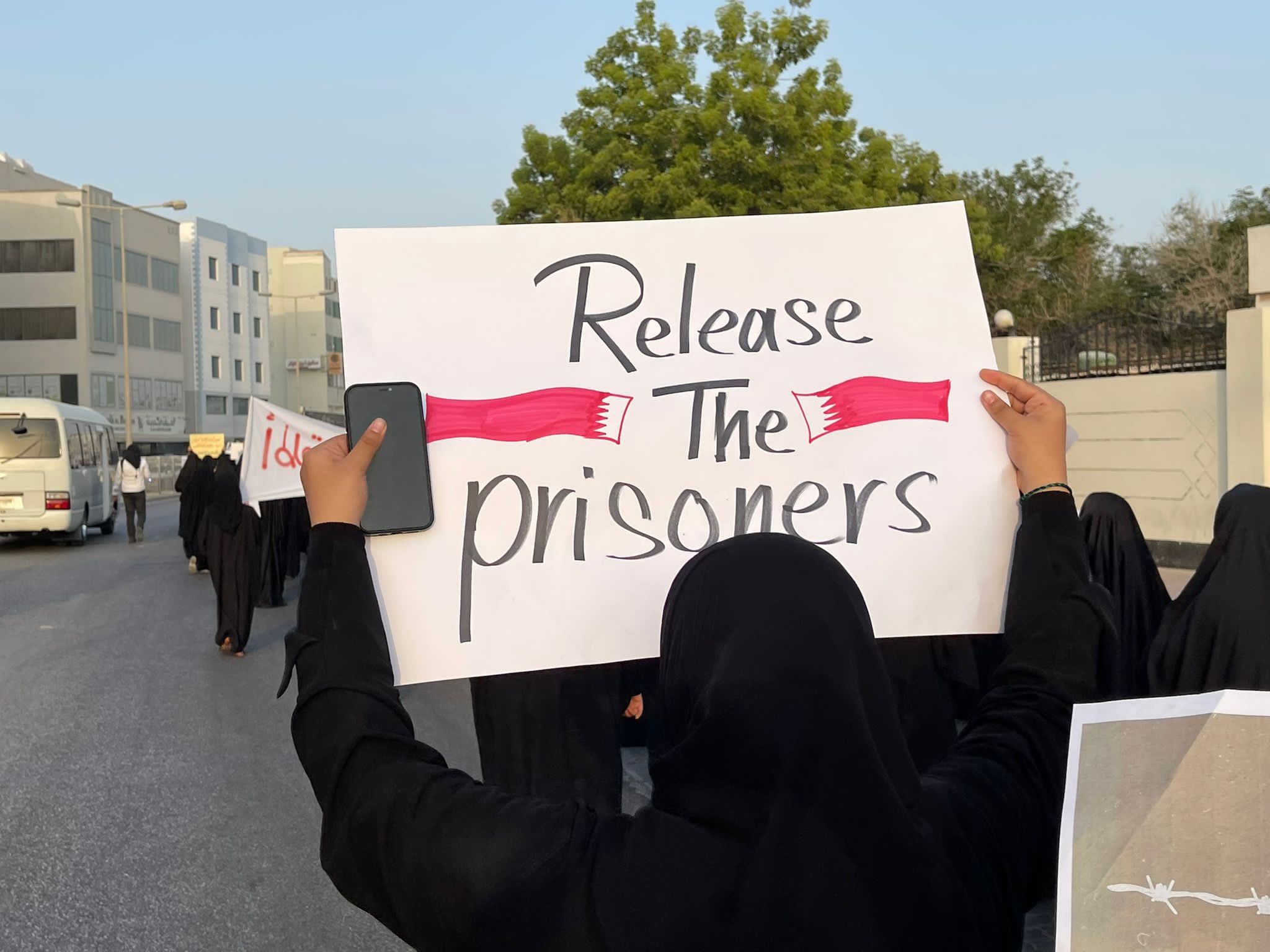
During the 57th session of the Human Rights Council, human rights defender Maryam Al-Khawaja delivered a video statement calling on the Council to take effective measures to ensure the release of all those arbitrarily detained, including her father, human rights defender Abdulhadi Al-Khawaja, as well as Dr. Abduljalil Al-Singace, and political leader Hassan Mushaima.
This is a joint statement on behalf of the International Service for Human Rights, the Bahrain Institute for Rights and Democracy and the Free Al-Khawaja campaign.
My name is Maryam Al-Khawaja, and I have addressed this Council many times since the 2011 uprising in Bahrain. Today, I speak again about my father, Abdulhadi Al-Khawaja, a prominent human rights defender who has been imprisoned since April 2011. He was brutally tortured, convicted in an unfair trial, and remains in prison, denied essential medical care.
The passing years have not eased the pain of watching my father suffer. Last year, when he went on hunger strike, I feared for his life. I tried to return to Bahrain to be with him, only to be blocked from traveling on British Airways. Even with the world watching, Bahrain’s actions show a blatant disregard for international law. They continue to torture human rights defenders, strip people of their citizenship, and repress all forms of opposition without facing any consequences.
My father is not only a Bahraini citizen but also a Danish and European Union citizen. Yet, Bahrain continues to torture and imprison him without facing any repercussions. This lack of accountability reflects a broader failure of the international community, particularly the European Union, which has maintained close ties with Bahrain despite these gross human rights violations.
My father’s case is not unique. Dr. Abduljalil Al-Singace has been on a solid food strike since July 2021, and 76-year-old political leader Hassan Mushaima remains arbitrarily detained under inhumane conditions, including solitary confinement. Despite being named in the UN Secretary-General’s reprisals report, Bahrain continues to act with impunity.
My family and I continue to pay the price for our fight for freedom, even as I battled cancer. We have done our part – this Council must now do its part.
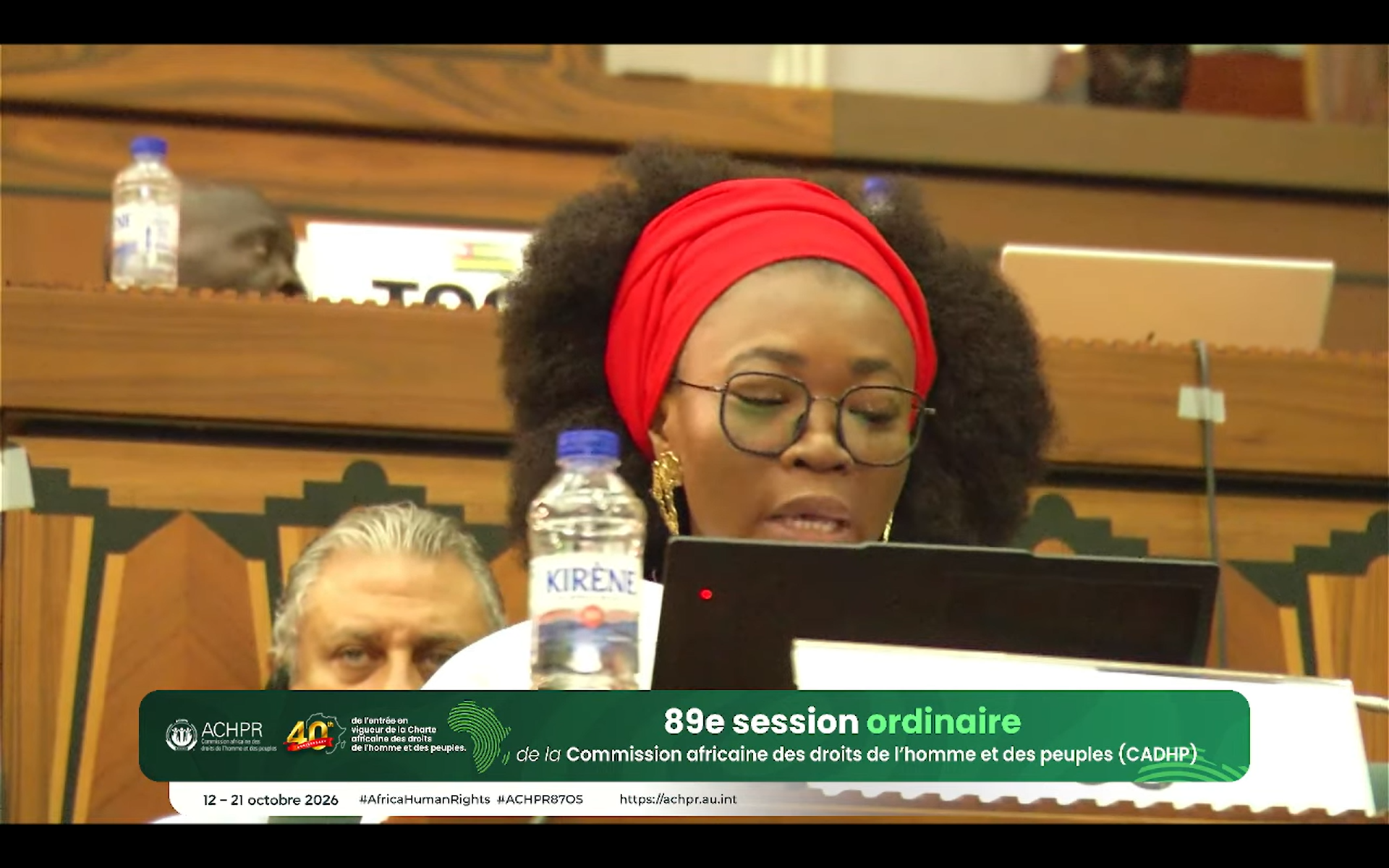
During the 89th ordinary session of the African Commission on Human and Peoples Rights (‘the African Commission’), ISHR shared concerns about the situation of human rights defenders in Cameroon, Zambia and Guinea, especially in regards to the restrictive legal framework they work in and drew their attention to the state of civic space in Africa.
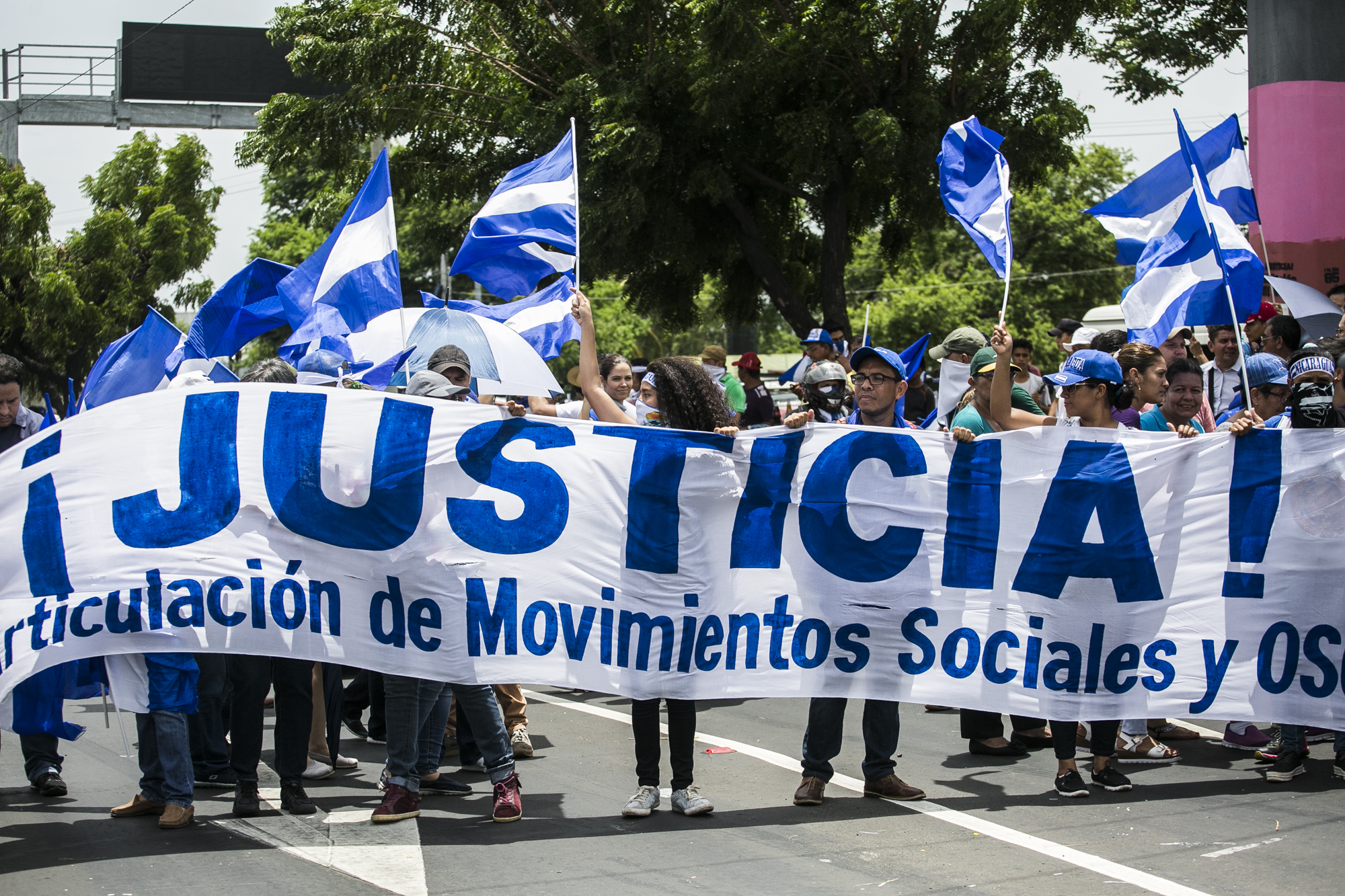
At the Human Rights Council's session, 47 States jointly denounced the dismantling of democracy in Nicaragua, while UN experts presented new evidence of systematic repression, enforced disappearance and deaths in State custody.
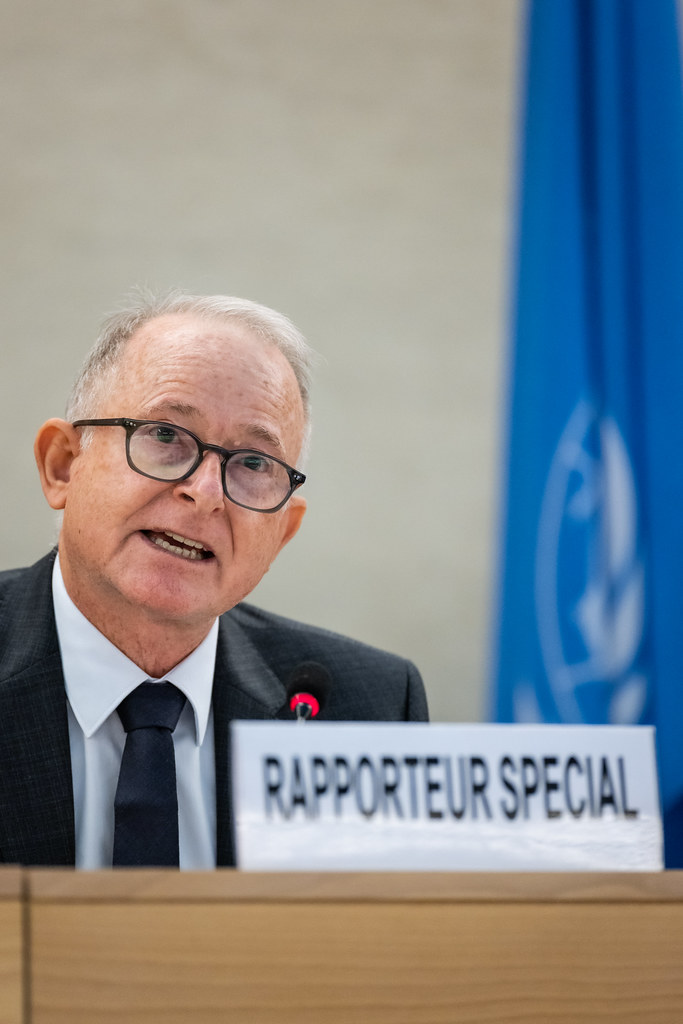
The Human Rights Council has renewed the mandate of the Special Rapporteur on Afghanistan for another year, maintaining dedicated scrutiny of the rights of women and girls. ISHR welcomes the renewal and calls on States to make sure the new Independent Investigative Mechanism for Afghanistan is up and running without delay.