HRC61: Reject lawlessness, hold the United States accountable
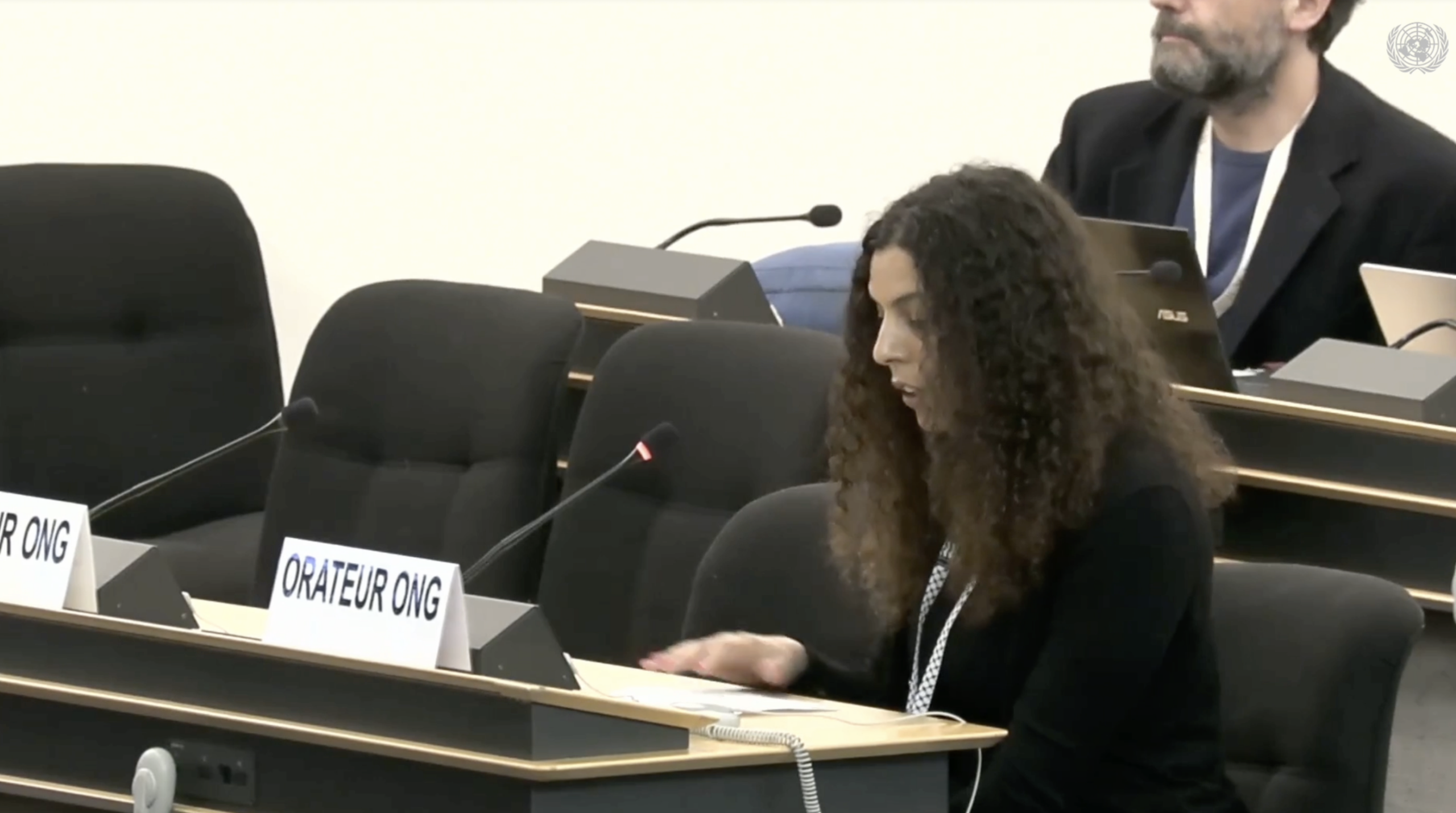
ISHR, the Center for Constitutional Rights, Advocates for Human Rights, the Unitarian Universalist Service Committee and Human Rights First delivered a joint statement at the Human Rights Council on the United States' refusal to cooperate with the Universal Periodic Review.
The joint statement was delivered at the 61st session of the Human Rights Council, at a General Debate under Item 6.
Read it in full below:
We deeply regret the United States’ refusal to participate in the Universal Periodic Review (UPR) or respond to Special Procedures communications, demonstrating a flagrant disregard for universal human rights and cooperative multilateralism.
This disregard is evident in both US domestic and foreign policy.
At both the national and international levels, we witness the increasing and unlawful use of force by US authorities – from the murder of peaceful protestors in Minnesota, to the extrajudicial killing of people in the Caribbean and the Pacific, to the bombing of school girls in Iran.
We deplore rising discrimination and the targeting of minority groups by US authorities, including attacks on Black communities, people of colour, migrants, refugees, Palestinian activists, trans people and women.
We condemn the erosion of the rule of law and accountability mechanisms, including through the targeting and sanctioning of lawyers, prosecutors, judges and this Council’s own Special Procedures.
And we condemn US efforts to repress dissent, from the suppression of university protests, to the sanctioning of NGOs which cooperate with this Council.
Consistently with the Council’s prevention mandate, we call on the High Commissioner and Special Procedures to increase monitoring and reporting on the United States.
And in the interests of our common humanity, we call on all States to speak up and reject lawlessness, authoritarianism and neo-colonial power. Our collective interests are best served not by bowing down to bullies, but through coordinated action to uphold human rights and the international rule of law.
Watch the full statement here:
Author
Phil Lynch
Phil is the Executive Director of the International Service for Human Rights. He has previously worked as the Executive Director of the Human Rights Law Centre and as a lawyer and advocate with Homeless Law in Australia. He is a member of the Global Board of the International Gender Champions and the Swiss Committee of World Bicycle Relief.
The Human Rights Council was confronted with stark new evidence of the scale, sophistication, and transnational reach of repression by Nicaraguan authorities. The latest report of the Group of Human Rights Experts on Nicaragua and public calls by States and civil society at the Council and the General Assembly, underscore the pressing need for accountability and coordinated international action.
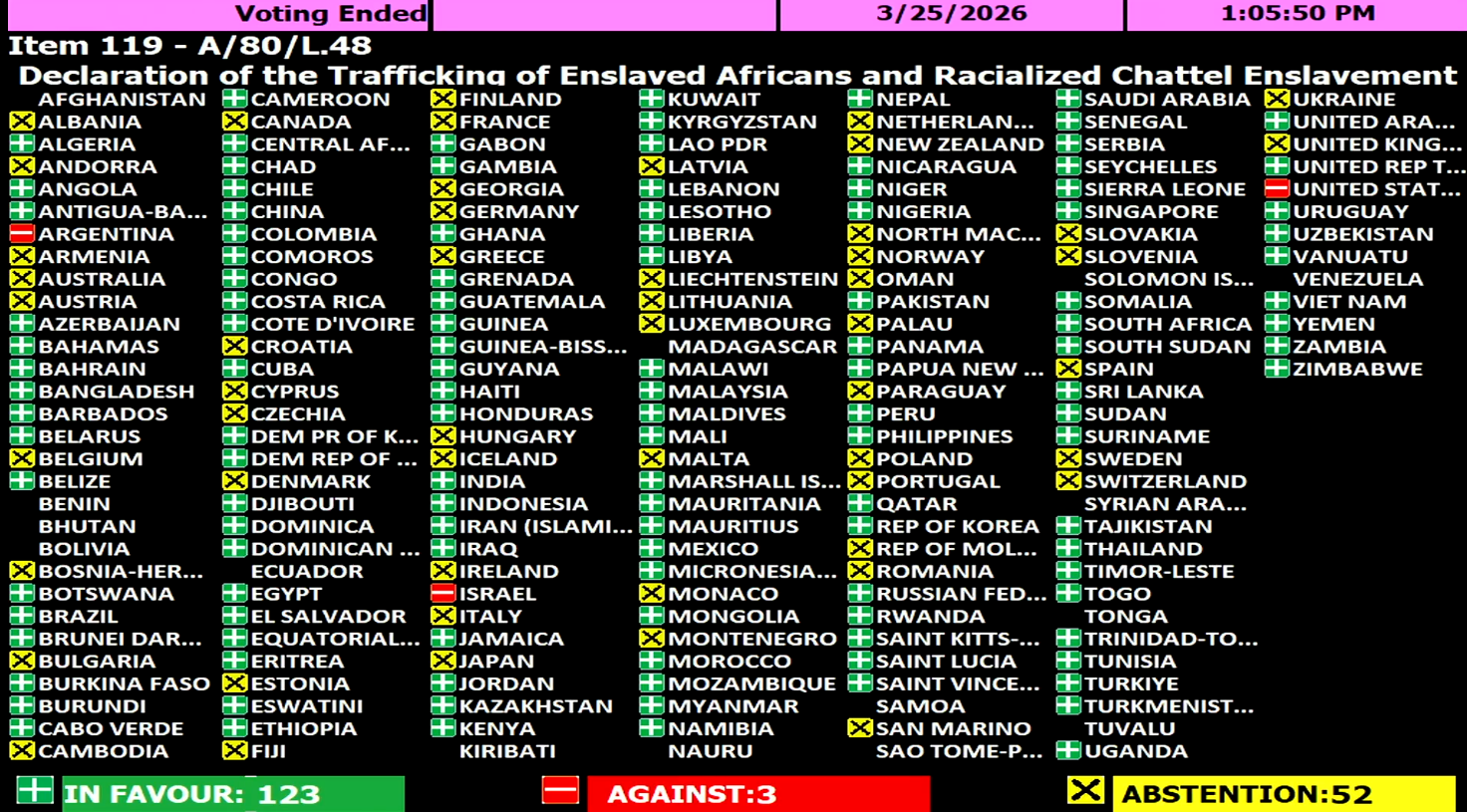
The UN General Assembly adopted a historic resolution acknowledging the scope, gravity and continued impact of the transatlantic trade in enslaved Africans and the racialised slavery it underpinned.
A new report prepared by Oxford Pro Bono Publico for ISHR shows that, though UN and regional human rights systems increasingly recognise transnational repression of human rights defenders, States still lack clear, binding obligations to prevent and address it.