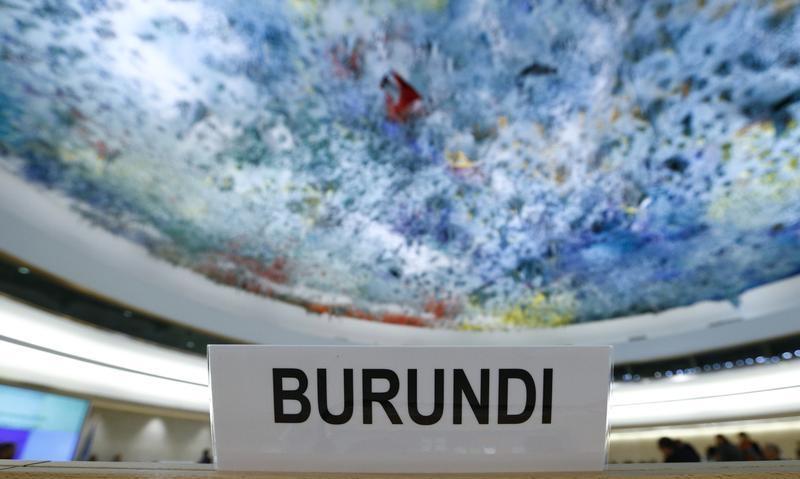
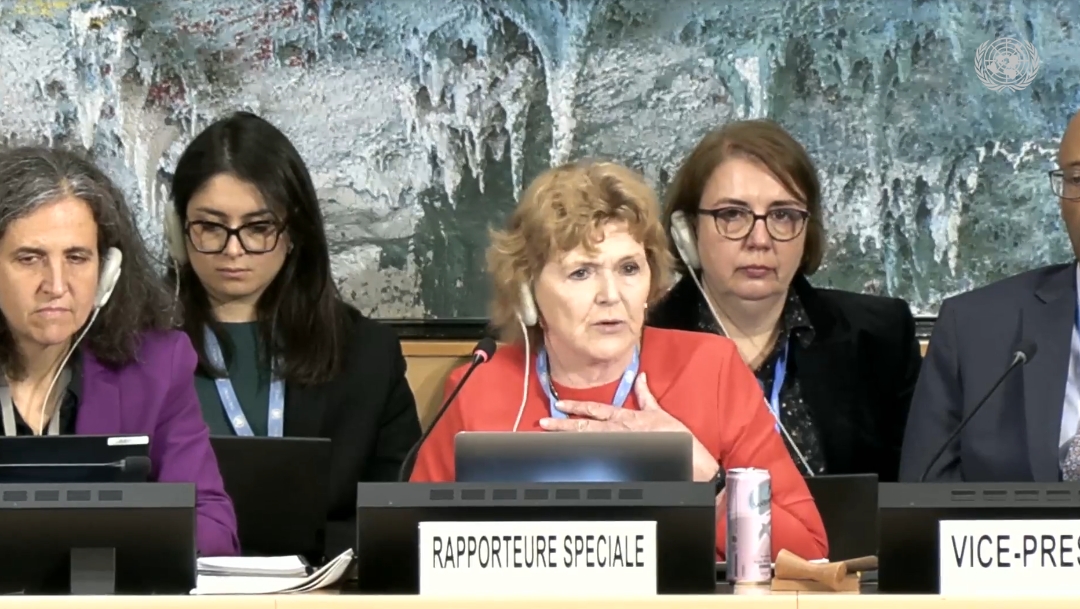
In a precedent-setting decision on reprisals, the Committee against Torture (CAT) has found that Burundi violated the Convention against Torture by retaliating against four lawyers for cooperating with the Committee, including through their disbarment and suspension from legal practice.
In its Views adopted on 21 November 2025 and made public this week, the Committee held that Burundi breached article 13 of the Convention, which obliges States to protect complainants and witnesses from intimidation or retaliation for engaging with UN mechanisms.
The case concerned Dieudonné Bashirahishize, Armel Niyongere, Vital Nshimirimana, and Lambert Nigarura, all of whom provided information to the Committee during its review of Burundi’s human rights record in July 2016.
The ruling comes five years after ISHR supported all four lawyers in filing a legal complaint with the Committee in response to Burundian authorities’ brazen acts of retaliation against them. Alongside their disbarment, the victims and their families were also threatened, had their property arbitrarily seized, and were forced to leave Burundi and go into exile.
A clear finding on reprisals
The Committee reaffirmed in unambiguous terms that reprisals for UN engagement are themselves serious human-rights violations: ‘Pursuant to article 13 of the Convention, each State party shall take steps to ensure that a complainant and witnesses are protected against all ill-treatment or intimidation as a consequence of his or her complaint or any evidence given,’ the ruling stated
It further recognised that reprisals may fall within the scope of the absolute prohibition of torture:
‘The Committee recalls its view that reprisals constitute a form of cruel treatment or punishment under article 16 of the Convention and may amount to torture in certain circumstances.’
Committee members found that the disciplinary proceedings against the lawyers — launched the same day Burundi withdrew from dialogue with the CAT — were not coincidental, but were taken because of their cooperation with the UN.
Failure to cooperate with the UN condemned
In addition to the reprisals themselves, the Committee found that Burundi’s refusal to engage with the individual complaints procedure constituted a further violation of the Convention: ‘The Committee remains deeply concerned about the State party’s failure to cooperate with the individual complaints procedure’, concluding that ‘the State party’s refusal to cooperate with it also constitutes a violation […] of article 22 (3) of the Convention.’
Orders for remedy and a precedent for the entire UN human rights system
The Committee ordered Burundi to:
- Restore the complainants’ licences to practise law and lift all professional bans;
- Provide full reparation, including compensation, restitution, rehabilitation, satisfaction and guarantees of non-repetition; and
- Adopt measures to prevent reprisals against individuals who engage with UN human rights mechanisms.
This decision is the clearest ruling by a UN treaty body that reprisals against human rights defenders for engaging with the United Nations are unlawful and may amount to cruel, inhuman or even torturous treatment.
‘This ruling sets a vital precedent for the entire UN human rights system,’ said ISHR’s Madeleine Sinclair, who accompanied the complainants since 2020. ‘It affirms that States cannot misuse disciplinary or judicial processes to punish those who cooperate with the UN and that doing so strikes at the core of the international human rights system,’ Sinclair concluded.