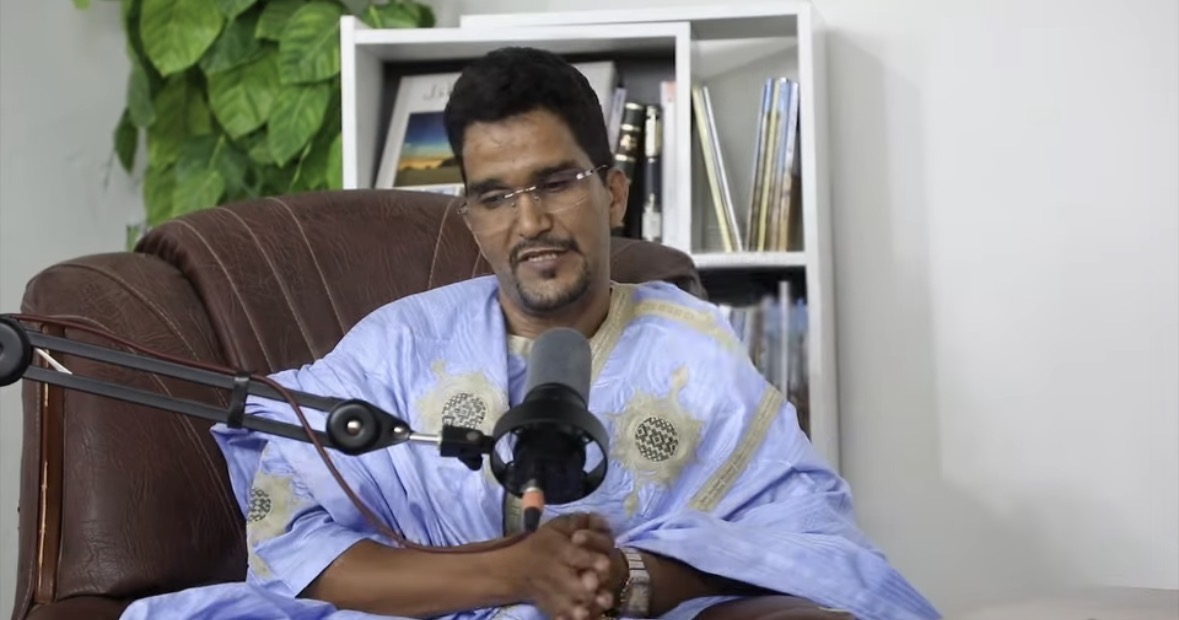
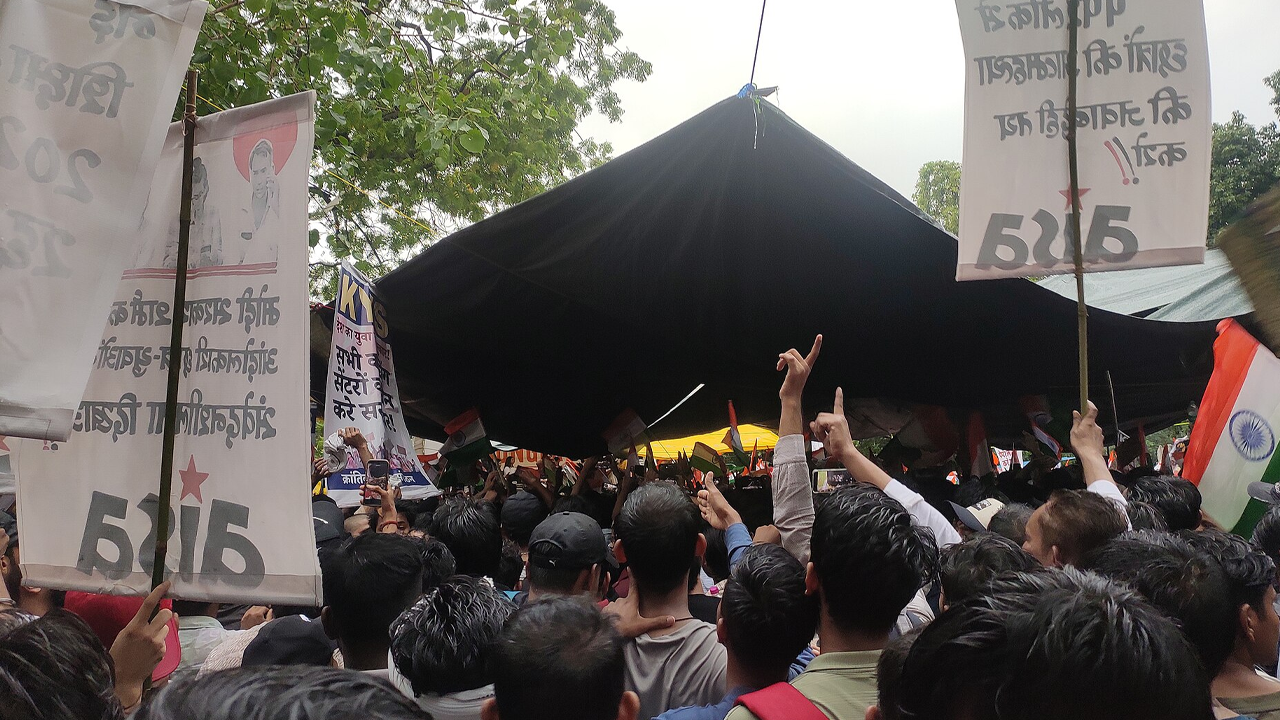
At the 53rd session of the UN Human Rights Council, during the adoption of the Universal Periodic Review (UPR) report of Benin, ISHR and Changement Social Benin delivered a joint statement encouraging Benin to do more for the protection of defenders in the country.
In the 4th cycle of the UPR, Benin accepted 234 recommendations out of the 258 recommendations received. The Benin delegation highlighted that structural reforms concerning areas, including child protection, violence against women and prison overcrowding were initiated. While the intervening States commended Benin’s efforts and appreciated their acceptance of the majority of recommendations, civil society speakers raised some concerns, especially human rights defenders’ lack of protection.
ISHR and Changement Social Benin jointly pointed out in their statement that crucial recommendations focusing on justiciability of economic, social and cultural rights, legal access to the African Court of Human Rights and protection of human rights defenders were only noted. In particular, human rights defenders have increasingly been facing challenges in recent years resulting in shrinking civic space within Benin.
Therefore, ISHR and Changement Social Benin call on Benin :
To open up civic space and to continue fostering dialogue with civil society as societies must be built with inclusive dialogues and the involvement of all actors
To ratify the Protocol to the International Covenant on Economic, Social and Cultural Rights to render these rights effective
To reconsider its position on granting legal access to the African Court on Human Rights.
Author
Anusika Vinasithamby
Anusika is currently completing her Master’s Degree in Human Rights at the University of Oslo. In her past experiences with NGOs such as Child Rights Connect and Human Rights Watch, she has been very engaged in child empowerment and advocacy work related to human rights abuses in several countries. Also, she has volunteered in fundraising projects for children and supported asylum-seekers with their integration. Due to Anusika’s Sri Lankan roots, she aims to empower vulnerable groups of society, including girls, women and refugees.
Ahead of the expected release of feminist journalist and prominent #MeToo activist Sophia Huang Xueqin on 18 September, ISHR and 59 other civil society organisations urge Chinese authorities to ensure her release and guarantee that she can exercise her human rights without surveillance, harassment, retaliation or other arbitrary restrictions.
The UN Committee against Torture has found that Morocco violated the Convention Against Torture in the case of Abdelmoula El Hafidi, a Sahrawi human rights defender who was subjected to degrading detention conditions.
ISHR has urged UN human rights experts on freedom of assembly and torture to publicly address the unlawful use of metallic pellet guns by India’s law enforcement against protestors taking part in the peaceful ‘Sansad Chalo’ protest organised by the Cockroach Janta Party on 20 July 2026.