
ACHPR89: Civic space, press freedom alarmingly constrained in the Sahel
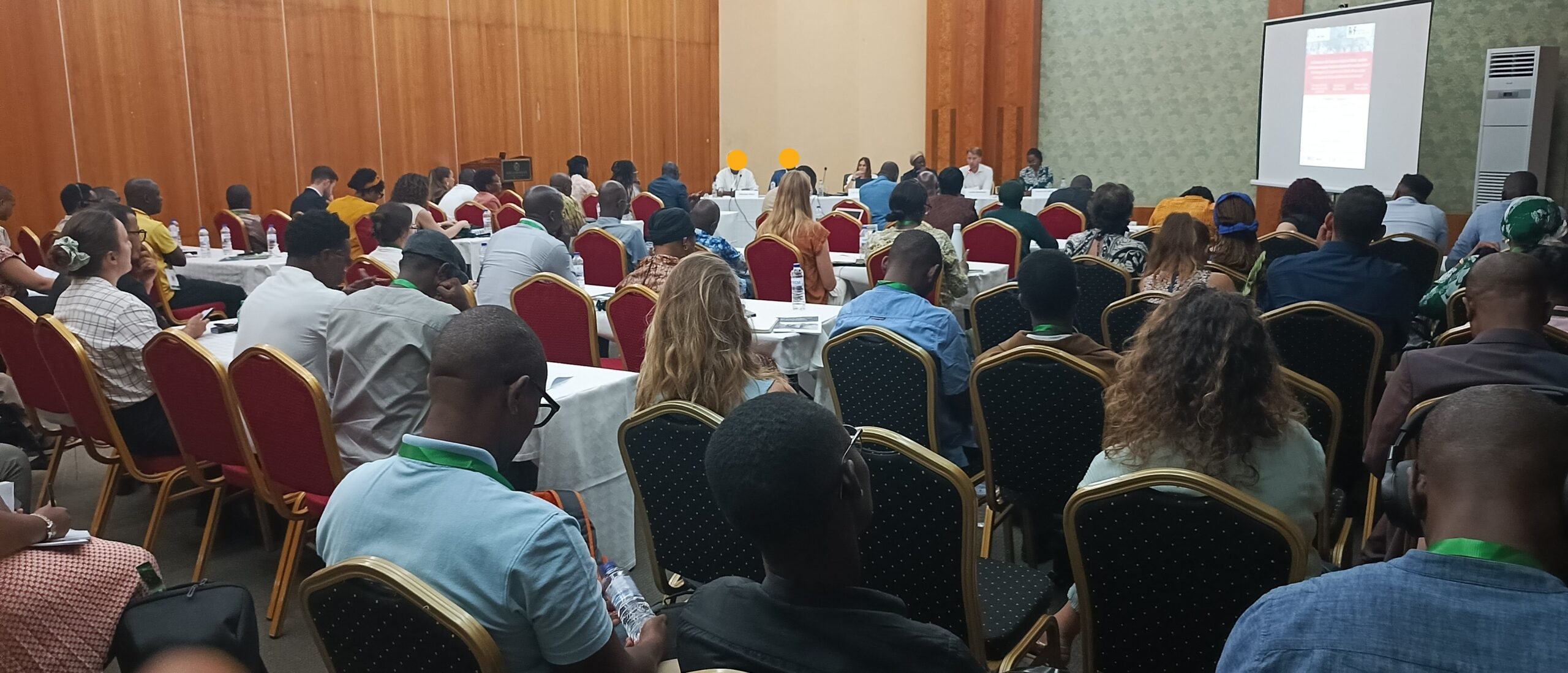
At the margins of the 89th session of the African commission, civil society groups discussed the growing challenges and threats weighing on journalists working the Sahel.
Photo: UN WebTV
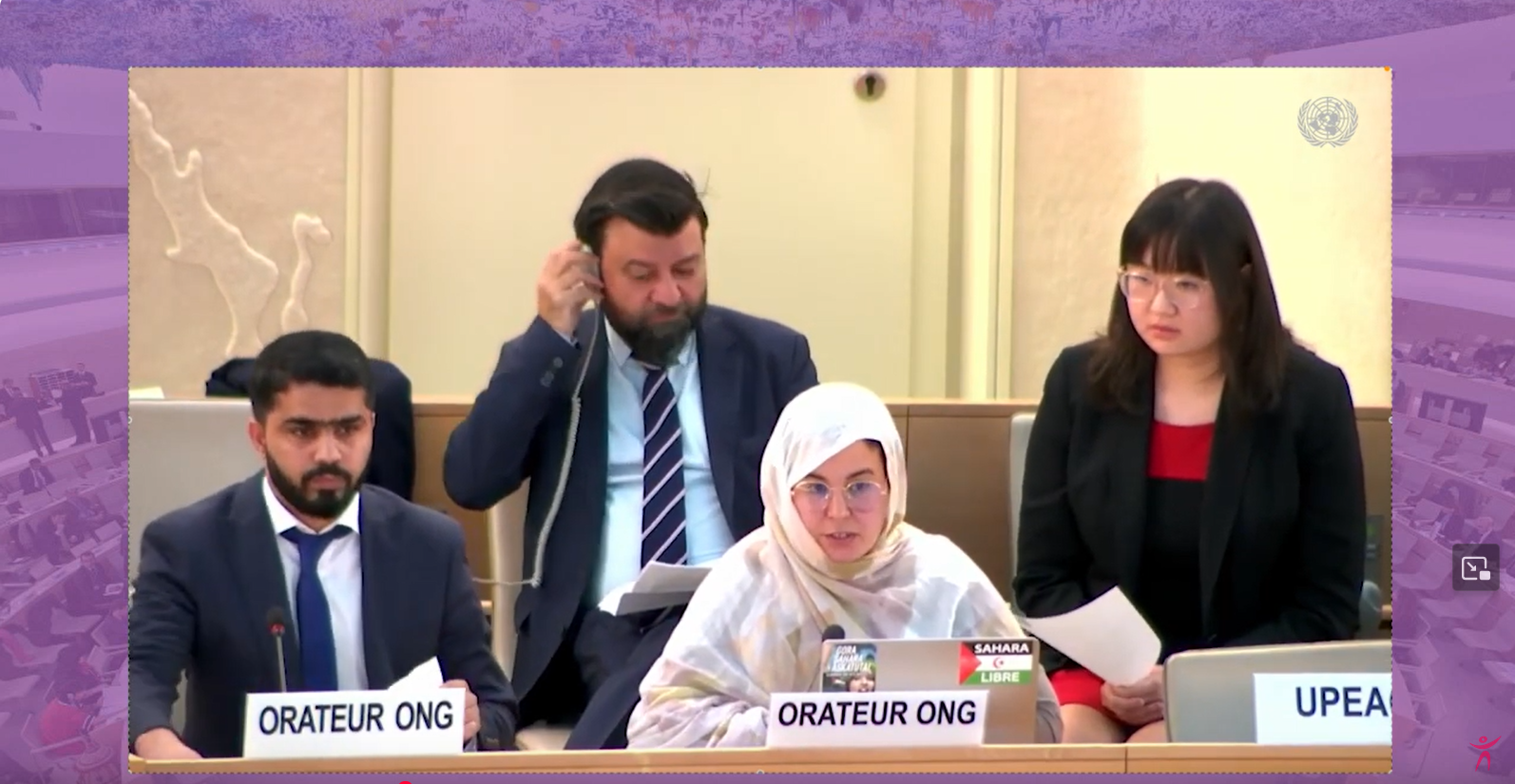
In a joint statement, UJSARIO and ISHR stressed the failure of the international community to uphold its commitments to decolonisation and human rights as the occupation of Western Sahara and systematic oppression of the Saharawi people by Morocco continue. They urged the Council to take action.
Speaking at the 58th session of the UN Human Rights Council, during the General Debate, Item 4, Saharawi youth organisation UJSARIO delivered a joint statement with ISHR highlighting the plight of human rights defenders in Western Sahara, and urging the Council to take action so that Saharawi people can enjoy their human rights and access human rights bodies without fear of reprisals.
Watch the statement below:
The General Assembly has reaffirmed ‘that the question of Western Sahara is a question of decolonisation which remains to be completed on the basis of the exercise by the people of Western Sahara of their inalienable right to self-determination and independence’.
Saharawi human rights defenders, journalists, and civil society actors continue to face targeted repression for their peaceful activism. Violations such as arbitrary detention, torture, enforced disappearances, racial and economic discrimination, suppression of fundamental freedoms, and the plundering of natural resources are a lived reality for Saharawi people.
In October 2023, the UN Working Group on Arbitrary Detention (WGAD) called for the immediate release of 18 Gdeim Izik prisoners from Western Sahara, who have been held for over 13 years in Moroccan jails, alongside 11 other decisions highlighting a systematic pattern of human rights violations.
Morocco has failed to comply with its international obligations and has intensified its repressive policies since 2015, when it denied access to the Office of the High Commissioner for Human Rights (OHCHR) and UN Special Procedures. In this statement, we highlight that the obstruction of access to UN human rights mechanisms in occupied Western Sahara is emblematic of a broader pattern of State non-cooperation, which must be urgently addressed by the Council.
The future of the Saharawi people remains uncertain while rulings affirming their right to self-determination remain unimplemented. We urge Morocco to implement the decisions of the Committee Against Torture (CAT) and the WGAD and to unconditionally release the Gdeim Izik prisoners, and all arbitrarily detained journalists and human rights defenders, and put an end to the illegal economic exploitation of Western Sahara’s resources, with penalties for corporations complicit in human rights abuses.
The Council must take decisive measures to reinforce the authority of UN human rights mechanisms and ensure that Morocco complies with its obligations, including protecting those engaging with these bodies from reprisals, and to provide access to human rights bodies to occupied Western Sahara.
We urge the Council to ensure that the Saharawi people are able to enjoy their fundamental human rights and have access to human rights bodies, including the OHCHR, Special Procedures, and human rights organisations. The international human rights system cannot function without universal and meaningful cooperation.
States have obligations under international law and must be held accountable for obstructing human rights mechanisms, including in situations of occupation and conflict.
At the margins of the 89th session of the African commission, civil society groups discussed the growing challenges and threats weighing on journalists working the Sahel.
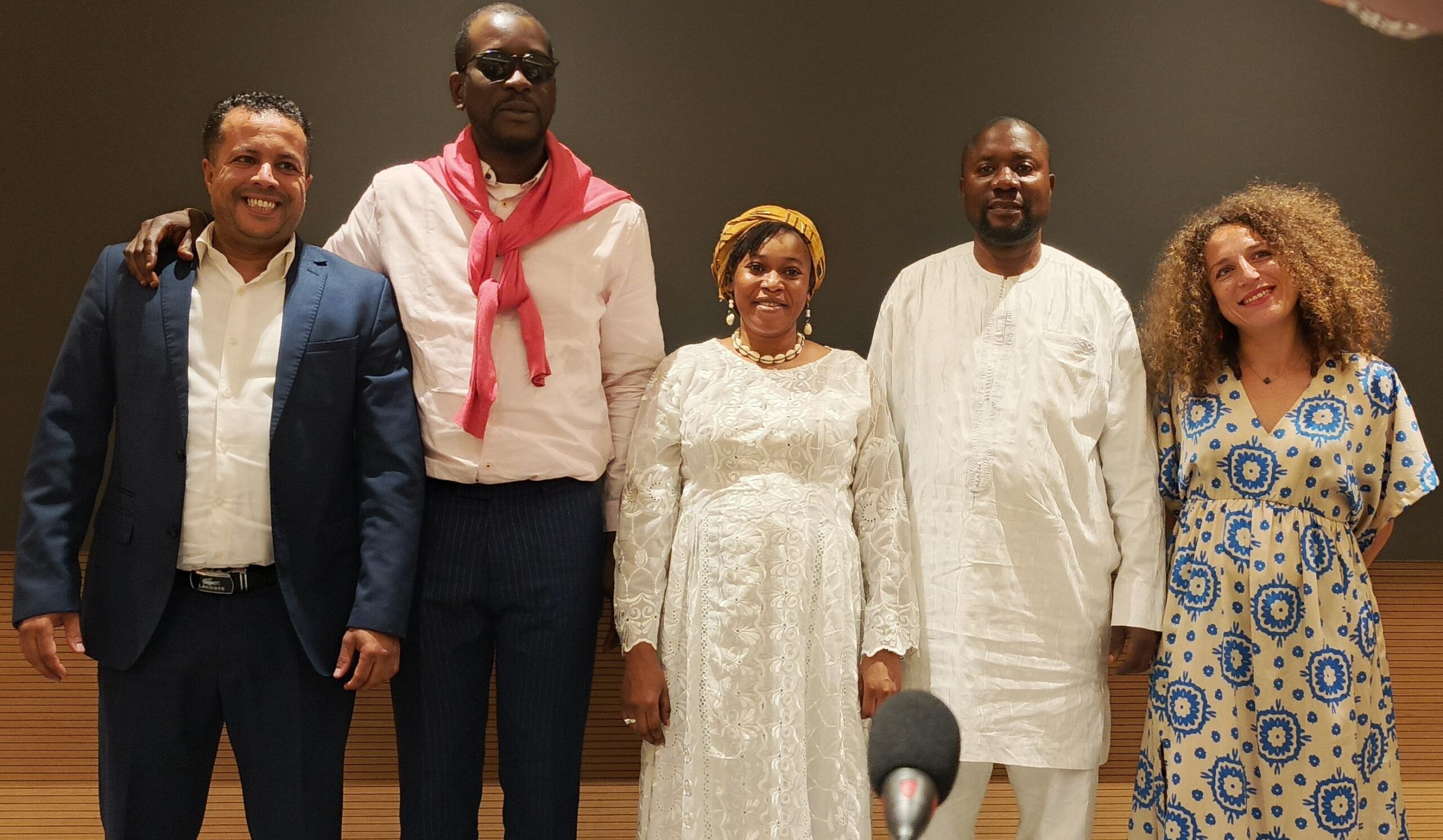
On the sidelines of the NGO Forum and the 89th Ordinary Session of ACHPR, ISHR, DefendDefenders and Front Line Defenders held an event on the intersection of environmental and digital rights. Defenders from Democratic Republic of Congo, Mali, Nigeria and Western Sahara discussed their contexts and recommendations.
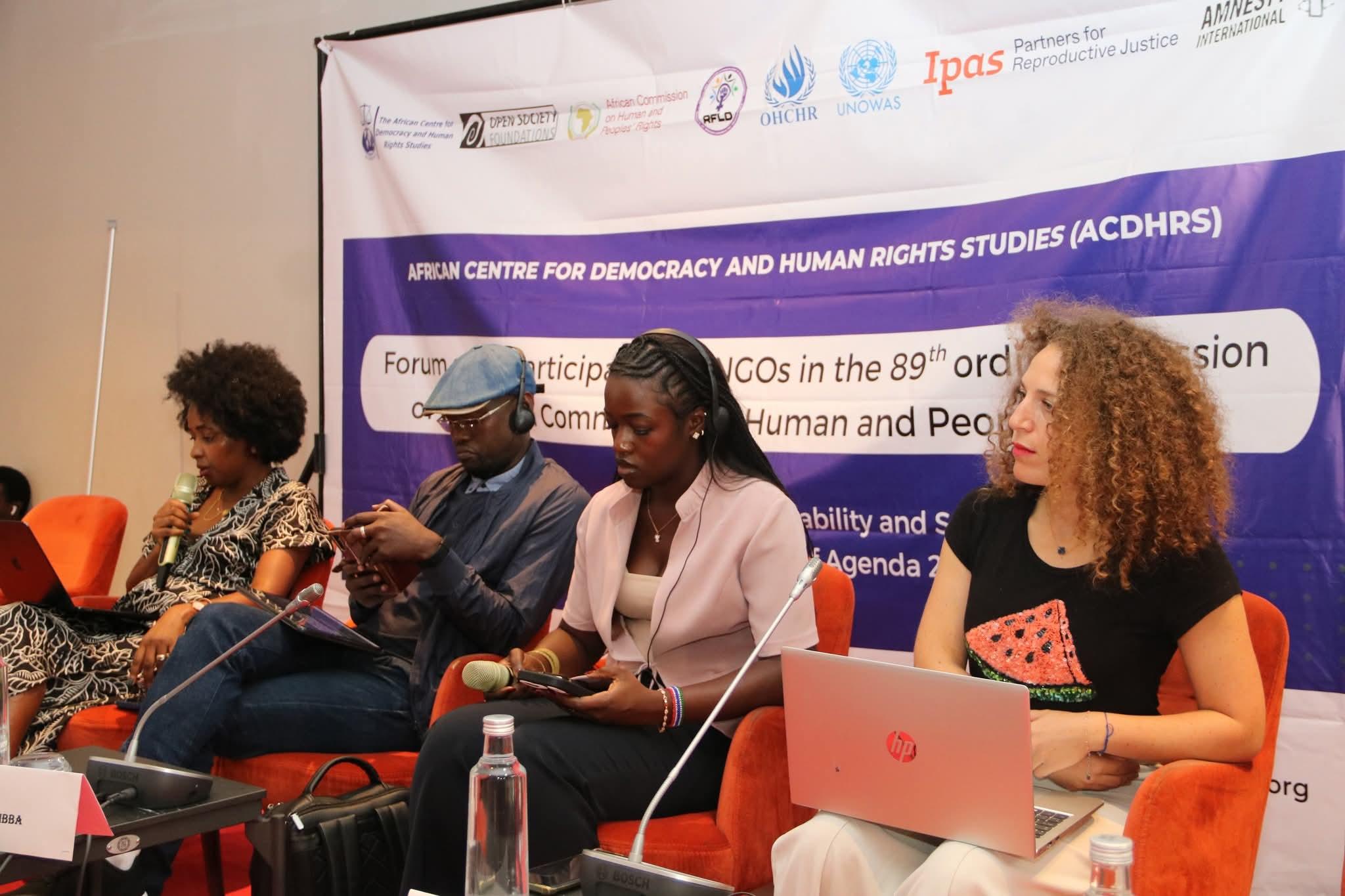
At the NGO Forum ahead of the 89th session of the African Commission, a high-level panel discussion tackled the growing issue of transnational repression in Africa.