
Venezuela: civil society organisations call for the renewal of key UN Fact-Finding Mission
In a joint statement published today, 21 civil society organisations - including ISHR - called for the renewal of the UN Fact-Finding Mission on Venezuela.
© UN Photo/Loey Felipe
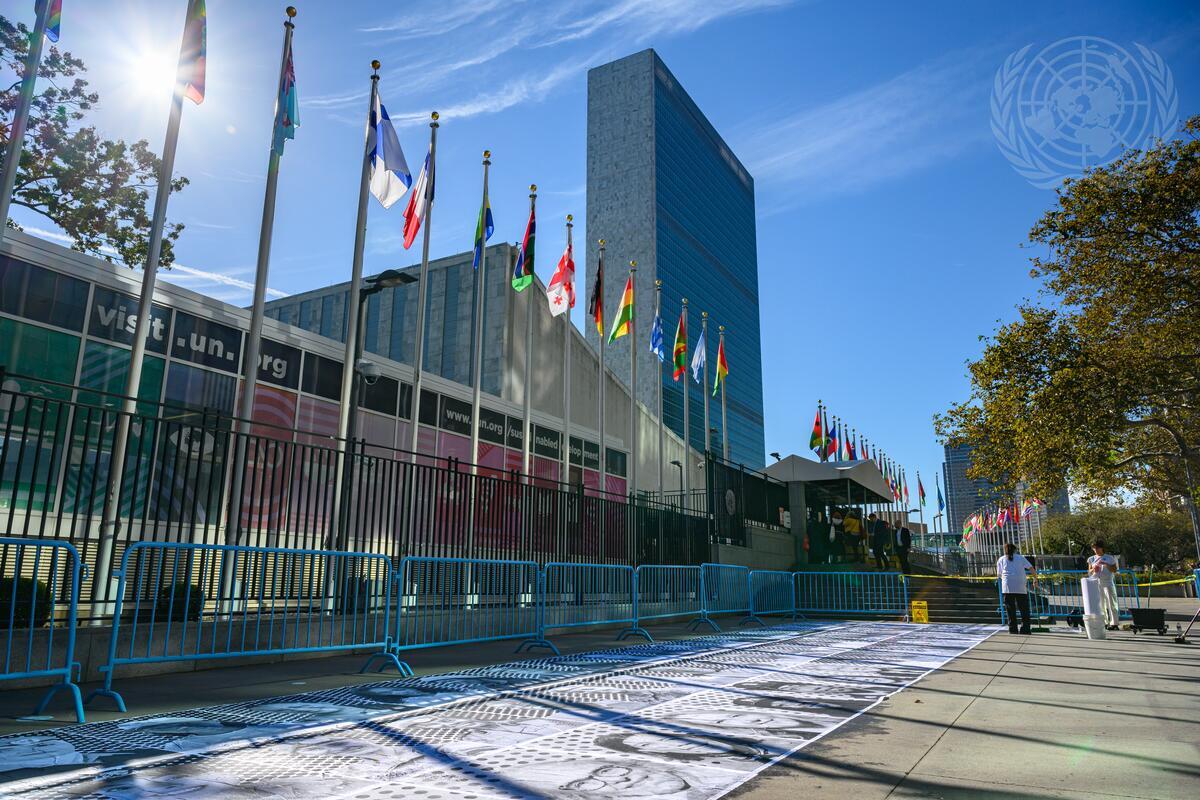
Ahead of a landmark UN summit to reinvigorate multilateral cooperation, the latest draft of the expected outcome document, the Pact for the Future, must better address key threats and challenges to human rights around the world.
In September, under the auspices of the United Nations, Member States will attend the Summit of the Future, which the UN has described as a ‘once-in-a-generation opportunity’ to ‘mend eroded trust’ and prove that ‘international cooperation can effectively achieve agreed goals and tackle emerging threats and opportunities’.
The planned outcome document of the summit, known as the Pact for the Future, is expected to enshrine States’ commitment to reinvigorate international cooperation and strengthen the UN system to ensure it can tackle growingly urgent challenges, including the preservation and realisation of human rights.
The latest draft of the Pact contains some encouraging elements regarding the role of the UN in safeguarding human rights. It commits to strengthening the Office of the United Nations High Commissioner for Human Rights (OHCHR) and UN human rights mechanisms and significantly increasing their regular budget. The document also requests the Secretary-General to identify proposals for financing the Office and the mechanisms for them to effectively fulfil their mandate. It also states that human rights defenders must be protected from reprisals both online and offline.
However, as of writing, the draft fails completely to recognise the crucial role of human rights defenders in protecting and promoting human rights. While it does call for enhanced cooperation and communication between UN bodies and civil society, it does not acknowledge the gravity of barriers to civil society participation in the UN’s work or meaningfully commit to resolving these issues. It notably omits the need to reform the NGO accreditation process and the flawed UN Committee on NGOs and fails to commit to holding perpetrators of reprisals and all other human rights violations accountable.
The draft also misses significant normative developments meant to respond to challenges that pose threats for future generations. It contains no reference to the right to a clean, healthy and sustainable environment, or the importance of accountability of businesses, or on crimes against humanity.
As the UN itself recognises, it is imperative that we seize this opportunity to reassert the importance of the UN system in protecting human rights and the value of multilateral engagement, including rights holders, in strengthening the UN’s efforts on human rights. We must ensure that any future version of the UN system is grounded in universal human rights values, centres rights holders and their communities, and responds to situations based on their merits in a fair, objective and principled manner.
To achieve this, we encourage States and stakeholders to commit to the following points to be integrated or further emphasised into the Pact of the Future as central tenets for future multilateral work on human rights:
In a joint statement published today, 21 civil society organisations - including ISHR - called for the renewal of the UN Fact-Finding Mission on Venezuela.

Ahead of the expected release of feminist journalist and prominent #MeToo activist Sophia Huang Xueqin on 18 September, ISHR and 59 other civil society organisations urge Chinese authorities to ensure her release and guarantee that she can exercise her human rights without surveillance, harassment, retaliation or other arbitrary restrictions.
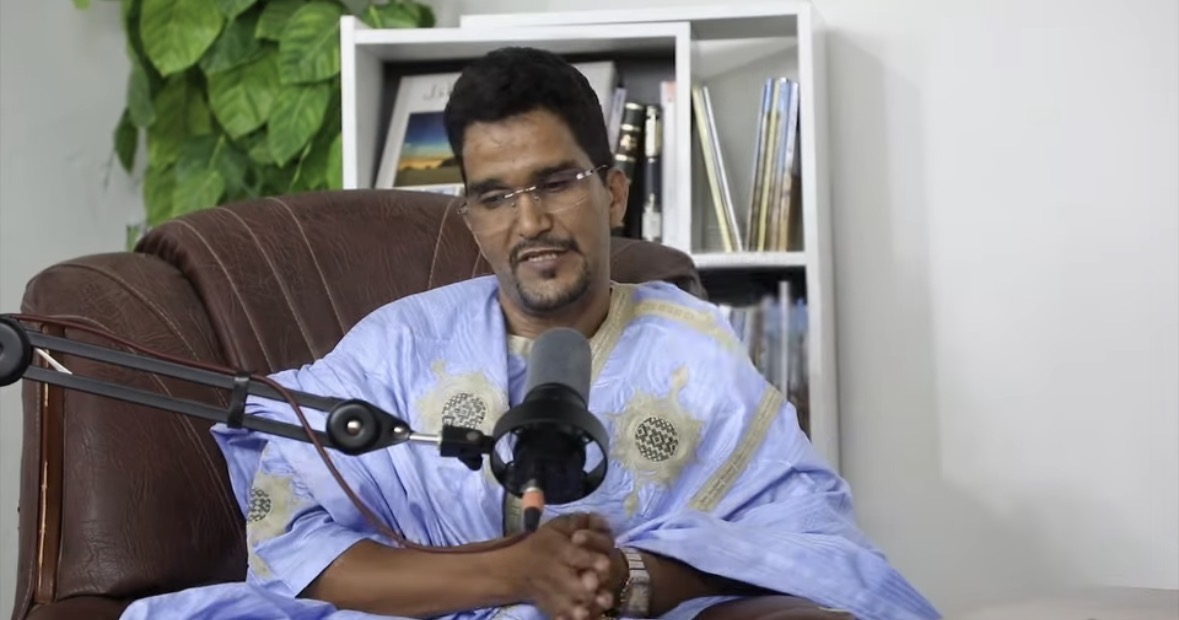
The UN Committee against Torture has found that Morocco violated the Convention Against Torture in the case of Abdelmoula El Hafidi, a Sahrawi human rights defender who was subjected to degrading detention conditions.