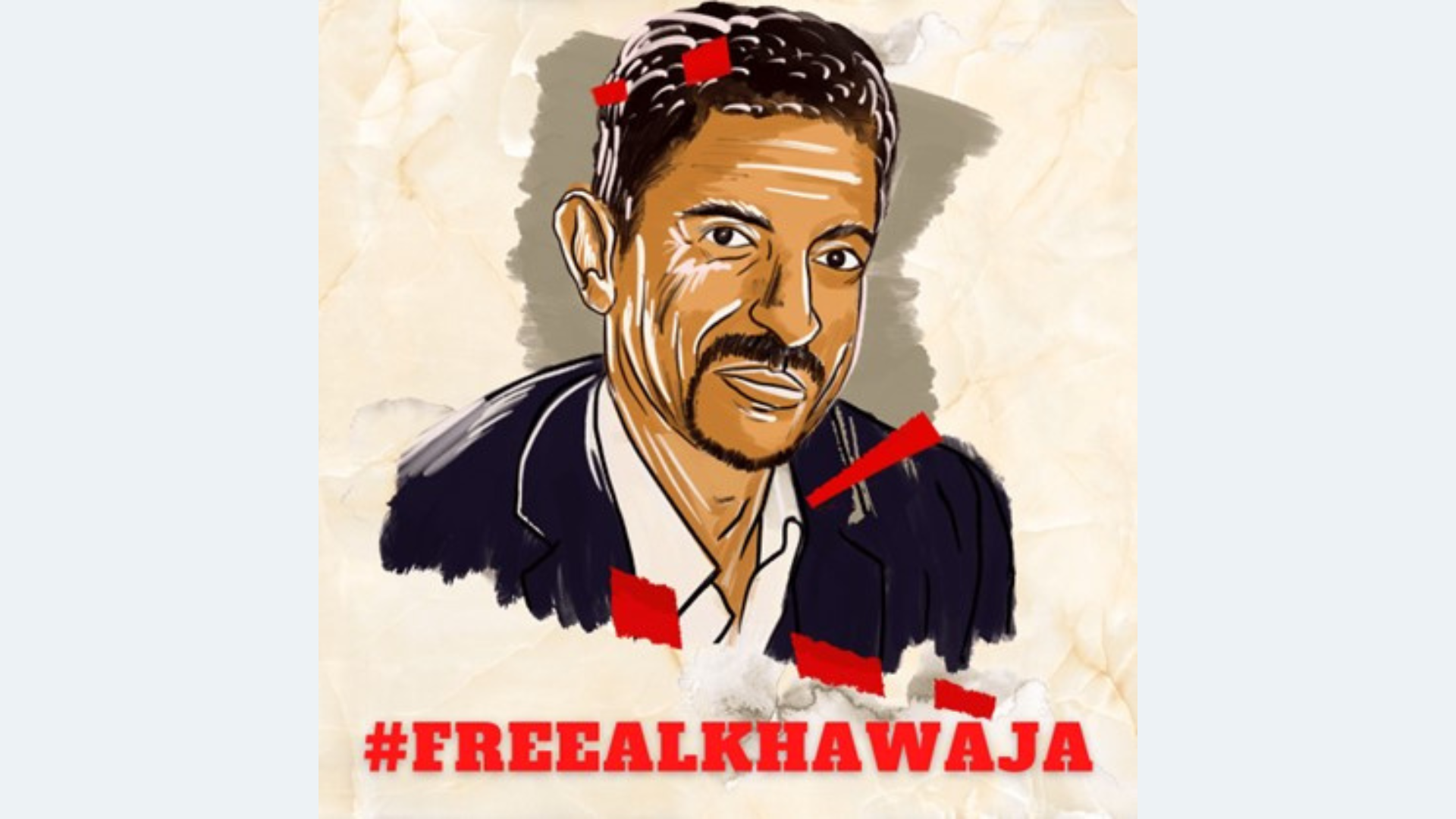
Ahead of the review, ISHR, alongside the #FreeAlKhawaja Campaign, the Gulf Centre for Human Rights, and Front Line Defenders, made a joint submission detailing the long-standing and severe violations committed against Abdulhadi Al-Khawaja. The intervention described his arbitrary detention since 2011, the torture he endured, including extended solitary confinement and persistent denial of adequate medical care.
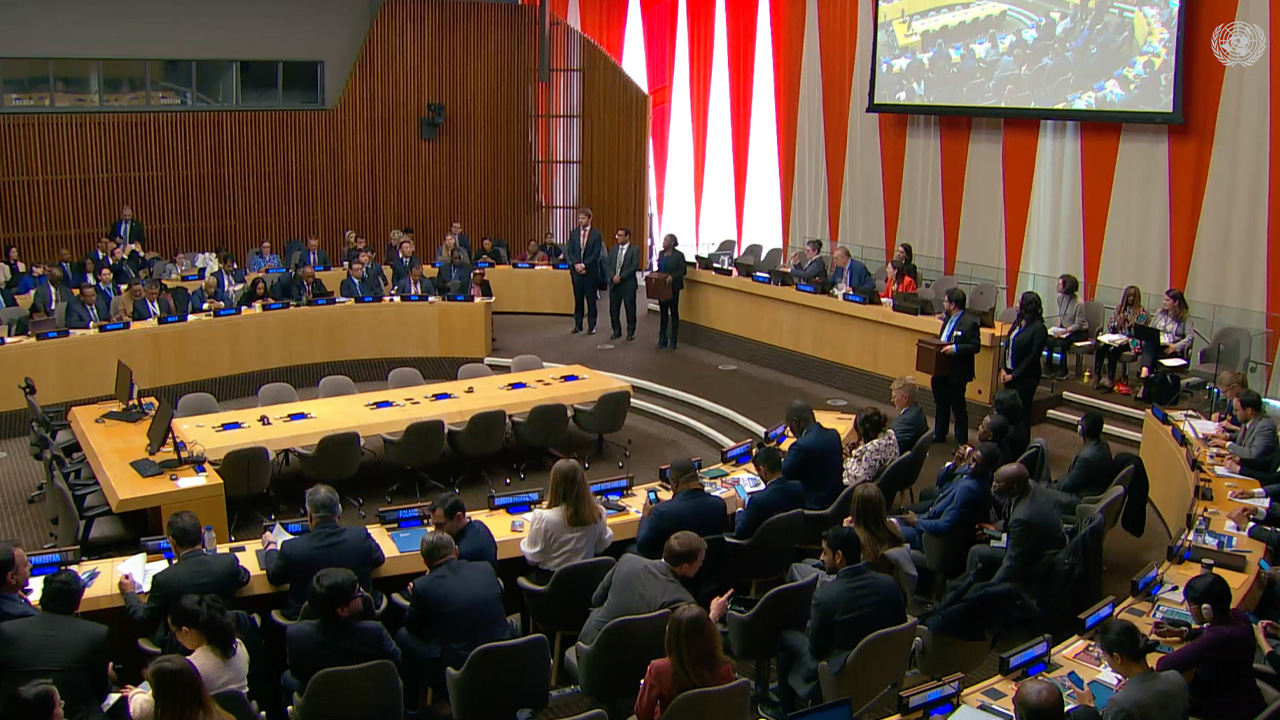
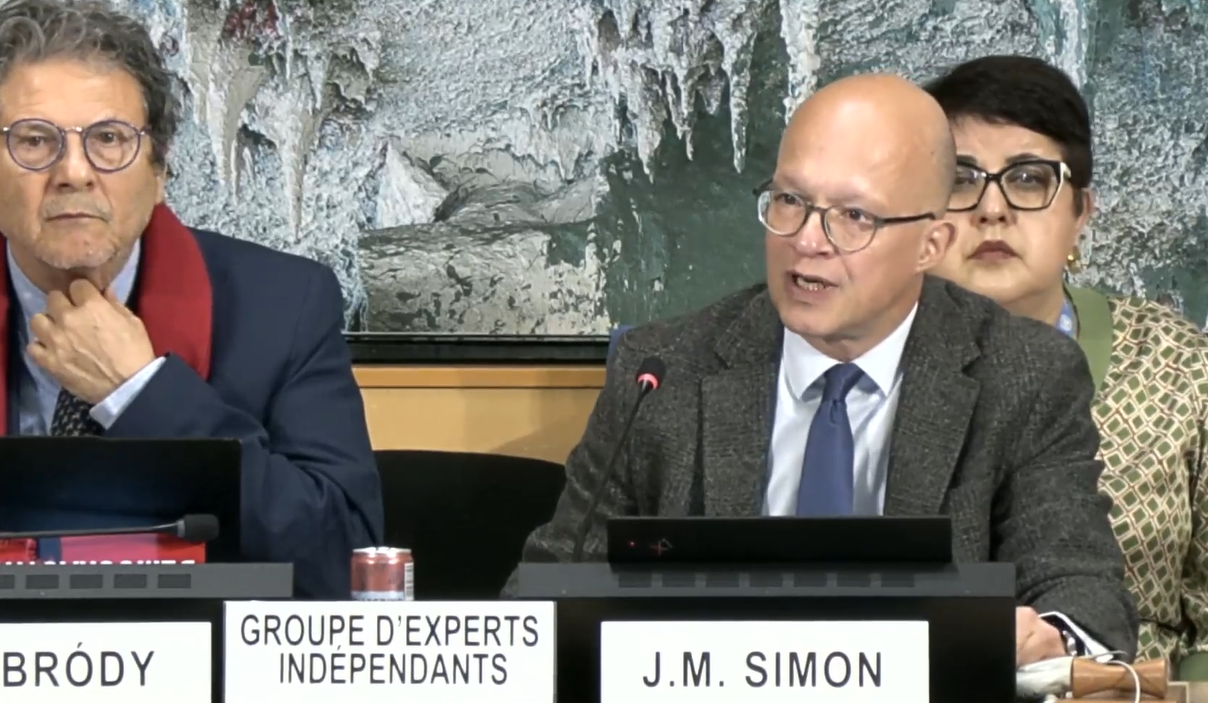
During the interactive dialogue with representatives of Bahrain on 18 November 2025, the Committee Against Torture (CAT) experts directly echoed the concerns raised in ISHR’s joint submission, questioning the delegation about the torture and prolonged ill-treatment of Al-Khawaja, the persistent denial of medical care, and the serious allegations of reprisals against human rights defenders. These targeted questions reflected the role of ISHR’s advocacy in shaping key exchanges.
Throughout the review, the Committee acknowledged that Bahrain had introduced certain legislative reforms. However, the overall tone of the dialogue underscored deep and recurring concerns.
The CAT experts repeatedly referred to continuing allegations of torture and ill-treatment, including against human rights defenders, political opponents, and other detainees. They highlighted the report of the Special Rapporteur on human rights defenders describing several forms of torture and mistreatment that appear to persist despite legal amendments.
The Committee expressed particular concern about conditions of detention, noting that detainees, including defenders, face poor prison conditions, restrictions on family contact, limited access to adequate nutrition, and serious obstacles to receiving appropriate medical care.
Committee experts also raised broader structural concerns, including the independence of oversight bodies responsible for monitoring places of detention and the effectiveness of mechanisms intended to investigate complaints of torture. They questioned the State on how it ensures impartiality and accountability, given allegations that some legal provisions continue to enable ill-treatment in the context of national security.
Bahrain did not provide meaningful or detailed responses to the concerns raised by CAT, particularly those relating to defenders. The delegation referred broadly to legal reforms, human rights training for security forces, and the work of national oversight mechanisms.
However, it failed to address the specific allegations of torture, the ongoing denial of adequate medical care, or the steps taken to investigate the ill-treatment of defenders.
Moreover, the delegation did not offer substantive answers regarding allegations of reprisals against human rights defenders. It remained silent on the concrete situation of those detained for exercising their legitimate rights.
Bahrain’s inability to engage constructively with these concerns and its failure to provide clear answers on specific cases underscore the urgent need for continued international pressure.
In its concluding observations, the Committee expressed its concerns about Bahrain’s legal framework that continues to fall short of the Convention’s requirements as torture remains narrowly criminalised. It therefore urged legislative amendments to align the definition and absolute prohibition of torture with the Convention and that robust legal safeguards are guaranteed from the moment of detention.
About the conditions of detention, the Committee expressed its concerns about persistent overcrowding and substandard material conditions – inadequate hygiene, insufficient ventilation and access to daylight, dilapidated infrastructure -, insufficient quantity of food and water provided, limited recreational, educational and health – physical and mental – services, and shortages of trained custodial and medical staff. It also highlights allegations of harsh treatment, collective punishment of political detainees and excessive solitary confinement.
The Committee recommended that Bahrain:
- (a) take further measures to reduce overcrowding and invest in renovation and alternatives to detention consistent with international standards (Tokyo/Bangkok Rules);
- (b) guarantee basic needs and adequate, trained medical and custodial personnel in line with the Nelson Mandela Rules;
- (c) facilitate access to recreational and cultural activities, vocational and educational programming;
- (d) investigate promptly and impartially all allegations of abuse by prison staff and sanction perpetrators;
- (e) prohibit reprisals and collective punishment; and
- (f) bring solitary-confinement practices into compliance with Mandela Rules (including ending unlawful renewals).
In addition, the Committee highlighted consistent reports that detainees are subjected to torture and ill-treatment, across different places of detention – frequently during arrest, interrogation and investigation and often to extract confessions or punish political opponents.
The Committee expressed its deep concern at the reported lack of accountability, which contributes to a climate of impunity, calling on Bahrain to:
- (a) ensure all allegations are investigated promptly, impartially and independently;
- (b) including no institutional or hierarchical relationship between that body’s investigators and the suspected perpetrators of such acts;
- (c) and (d) suspend suspected perpetrators and prosecute both perpetrators and superior officers who ordered or tolerated abuses;
- (e) establish an effective, independent police-oversight mechanism;
- (f) set up confidential, accessible complaints mechanisms in every place of detention;
- (g) make sure the latter include protections against reprisals for complainants, witnesses and health professionals;
- and (h) compile and publish disaggregated statistics on complaints, investigations, prosecutions and convictions.
The Committee was deeply concerned by reports that human rights defenders, journalists, political opponents and civil society actors have been subjected to a wide spectrum of reprisals – from intimidation, harassment,revocation of citizenship and travel bans to arbitrary detention, including military trials, torture, enforced disappearance and even extrajudicial killing – and that protection, prompt impartial investigation and redress have been inadequate.
The Committee raised its particular concern about the situation of several human rights defenders, including Abdulhadi al-Khawaja, whose detention was declared arbitrary by the Working Group on Arbitrary Detention, Hassan Mushaima and Abduljalil al-Singace, especially with regard to their access to medical care, urging Bahrain to:
- (a) urgently adopt measures to protect these individuals from all forms of retaliation and to investigate and prosecute violations and provide effective remedies to victims and families;
- (b) release from detention human rights defenders who have allegedly been detained and imprisoned in retaliation for their work, including Abdulhadi al-Khawaja, Abduljalil al-Singace and Hassan Mushaima;
- (c) refrain from using revocation of citizenship as a reprisal;
- (d) amend the Citizenship Act to prevent statelessness through deprivation of nationality;
- and (e) consider accession to the 1954 and 1961 Statelessness Conventions.
The CAT asked Bahrain to report by 28 November 2026 on actions taken regarding incommunicado detention, detention conditions, facility monitoring, and deaths in custody, and to outline plans for implementing the remaining recommendations from the concluding observations.