
ACHPR89: Civic space, press freedom alarmingly constrained in the Sahel
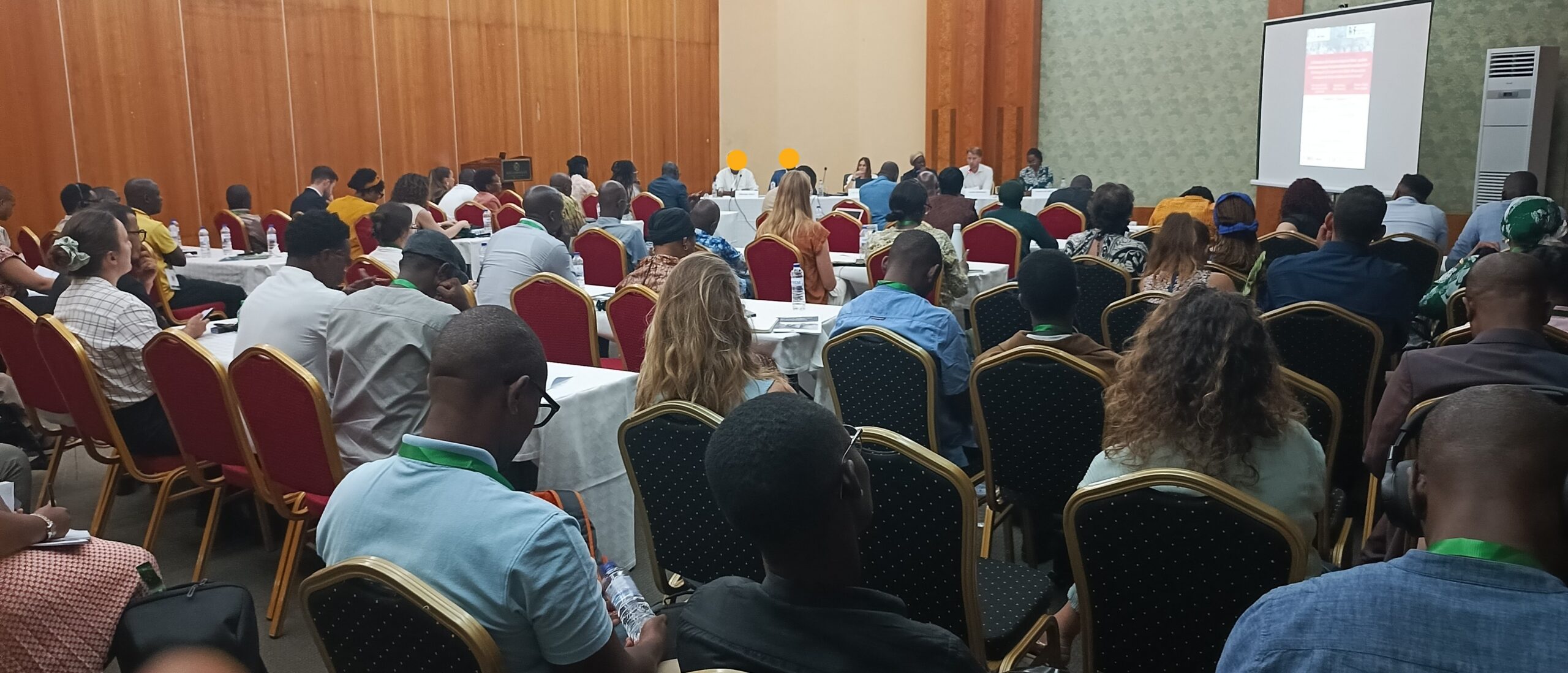
At the margins of the 89th session of the African commission, civil society groups discussed the growing challenges and threats weighing on journalists working the Sahel.
© Photo used with permission of ONG Acción Solidaria

Civil society groups are united in rejecting the bill that seeks to limit NGOs’ ability to access resources including foreign funding.
ISHR is pleased to join the statement issued by 500 Venezuelan and international civil society organizations in which we strongly reject the bill currently being discussed in the Venezuelan National Assembly that would affect NGO access to foreign funding.
The bill aims to create an “Integrated Compulsory Registration System” for NGOs which could provide the government with the means to authorise which have and do not have access to resources. The bill also provides for the implementation of a mechanism designed to “prohibit, suspend, restrict or definitively eliminate” any NGO at the discretion of the Executive.
The bill was one of several current and potential pieces of legislation that a group of UN experts who wrote to the Venezuelan government to express concern about last year. Discussion about the bill has recently been reactivated, heightening concern over threats and attacks on defenders in the country.
The Coordinator of the Venezuelan NGO Provea, Rafael Uzcátegui explains this bill within the context of the successful efforts by civil society to ensure accountability for victims through international bodies.
“What is being charged here is a bill for the organizations that succeeded in getting an investigation activated at the International Criminal Court,” he noted.
The proposal undermines key rights that enable and protect the work of defenders, in the view of ISHR’s Eleanor Openshaw.
“NGOs have the right to receive funding, both from national and international sources. This is a key aspect of the right to freedom of association. States should encourage, not constrain, the critical and constructive voices of civil society,” Openshaw commented.
At the margins of the 89th session of the African commission, civil society groups discussed the growing challenges and threats weighing on journalists working the Sahel.
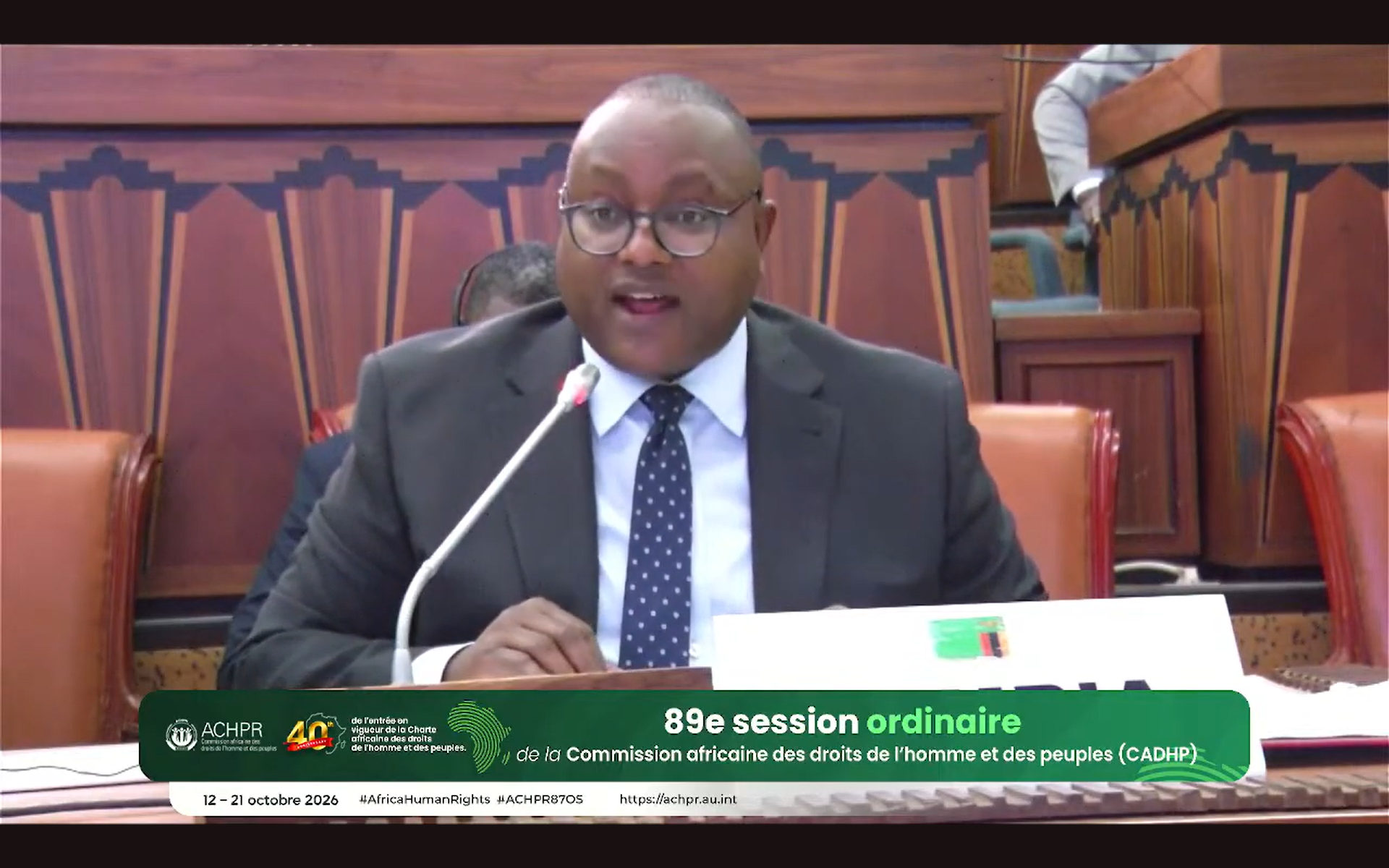
Zambia must ensure that human rights defenders can speak out, organise and work freely. In a joint submission to the African Commission, ISHR, SACCORD and ZNHRD highlight restrictive legislations and call for progress towards the adoption of the law for the promotion and protection of the rights of defenders.
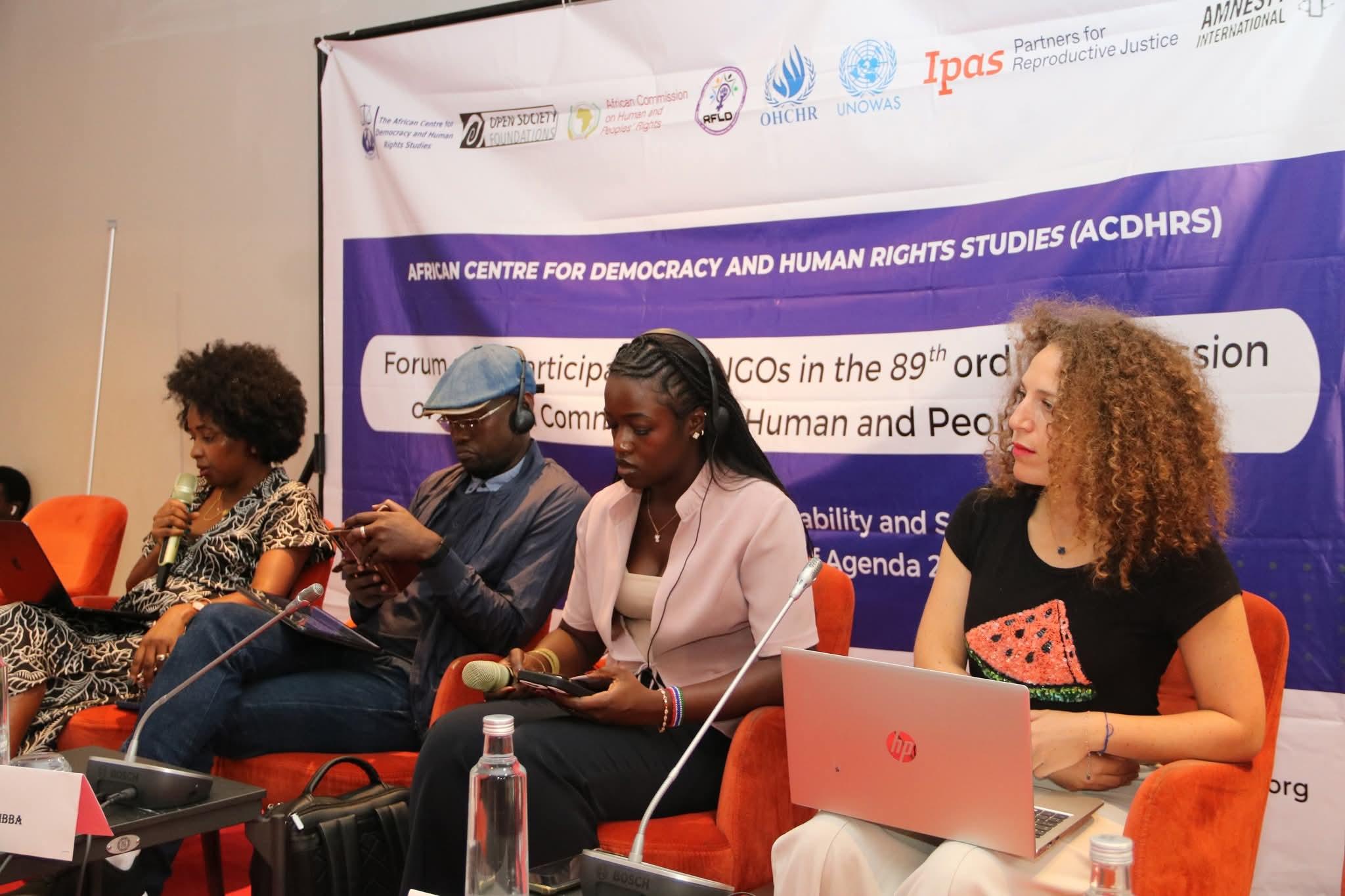
At the NGO Forum ahead of the 89th session of the African Commission, a high-level panel discussion tackled the growing issue of transnational repression in Africa.