China, Egypt, India, Mali, Mongolia, Russian Federation, Saudi Arabia, Türkiye, Venezuela (Bolivarian Republic of)
Africa, Asia, Europe, Latin America & Caribbean, Middle East & North Africa
News
HRC43 | Speaking out and pushing for accountability vital to address widespread violations
The Human Rights Council should support investigations and accountability for widespread human rights violations - including systematic and targeted attacks and reprisals against human rights defenders - in China, Egypt, India, Saudi Arabia and Venezuela, ISHR said today. Meanwhile, it is imperative that the UN High Commissioner for Human Rights and the UN Secretary General speak out and develop policies to provide protection and solidarity to defenders, their families and their communities.
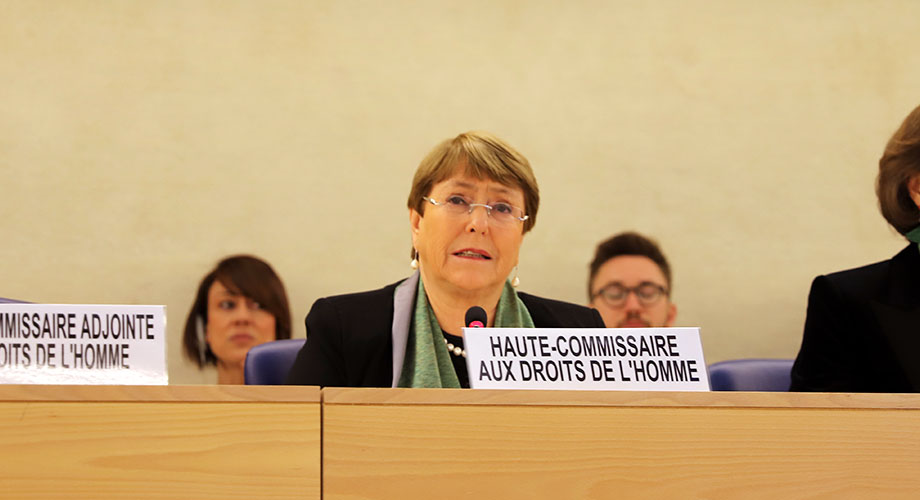
Responding to the High Commissioner’s global update on human rights at the 43rd session of the UN Human Rights Council, ISHR echoed the recognition by the UN Secretary General in his ‘Call to Action‘ that human rights defenders are essential to peace, security, and sustainable and inclusive development.
Addressing the Council, ISHR Director Phil Lynch said that, as reflected in the High Commissioner’s update, deliberate policy in many States violates human rights and undermines peace, security and development.
‘The arbitrary detention of women human rights defenders in Saudi Arabia, systematic intimidation and reprisals against defenders in Egypt, repressive legislation targeting civil society in Russia and Turkey, and excessive and lethal force by police and vigilante groups against protestors in India, were just a few examples cited by the High Commissioner. In all such cases, the Council should push for independent investigation and accountability,’ Lynch said.
In its statement, ISHR said that, both at home and abroad, the Chinese government is systematically targeting and silencing defenders and their families. With a possible visit to the country being negotiated by the High Commissioner, Lynch said: ‘It is imperative that any visit to the country be conditioned on unfettered access, guarantees against reprisals, accompaniment by relevant Special Procedure mandate holders, and a report and dialogue with the Human Rights Council. Meanwhile, it is imperative that the High Commissioner and the Secretary General meet with victims, families and their advocates and speak out more strongly and consistently. This would increase the political cost of China’s repressive policies, and show solidarity with defenders and targeted communities.’
Through its statement ISHR also expressed deep and ongoing concern about the human rights crisis in Venezuela. ‘As a member of the Human Rights Council and in accordance with its MoU with the Office of the High Commissioner for Human Rights, Venezuela must cooperate fully and in good faith with Council mechanisms, including by accepting and confirming Special Procedures visits,’ Lynch said.
Finally, ISHR welcomed progress in relation to national human rights defender laws in Mali and Mongolia. At the UN level, ISHR urged the Secretary General and High Commissioner to develop a comprehensive policy making defenders’ participation and protection a paramount priority for all UN agencies.
ISHR is launching two new interactive tools to strengthen diplomatic initiatives to support human rights defenders. One tool designed for diplomats and the other for defenders; the resources provide practical guidance on how to enhance diplomatic support for defenders to prevent risks, respond to threats and better protect those working to promote and defend human rights. The tools will be available in English, French and Spanish.
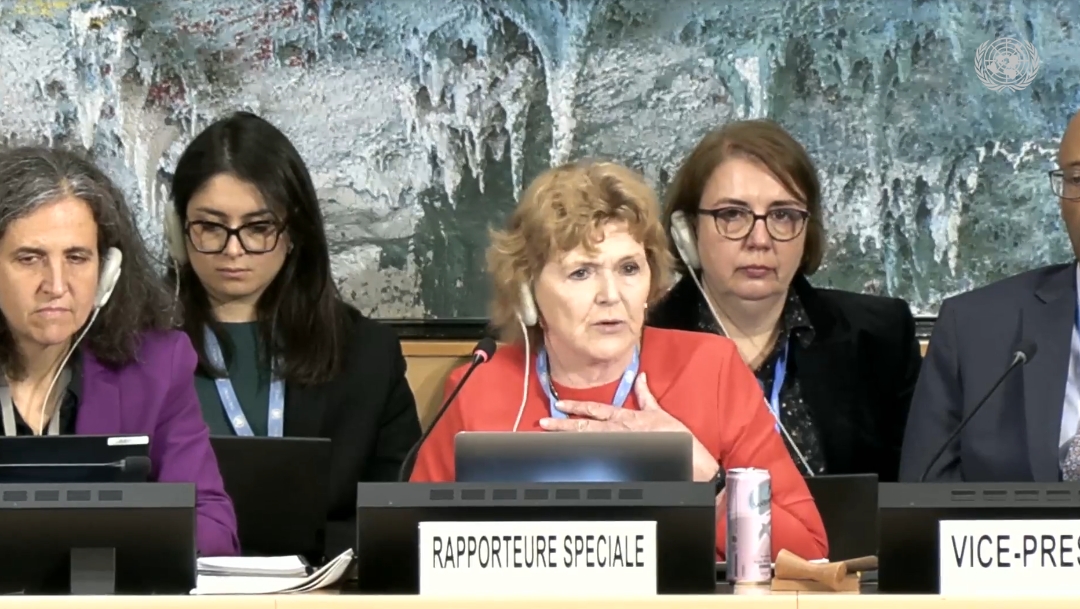
Following the report of the Special Rapporteur on the situation of human rights defenders to the Human Rights Council, ISHR commended her work, denounced human rights violations and encouraged the next mandate-holder to continue the effective work of the protecting defenders worldwide in collaboration with regional mechanisms.
As the Human Rights Council marks its 20th anniversary, 26 civil society organisations have outlined key expectations for the incoming Council President and Bureau.