
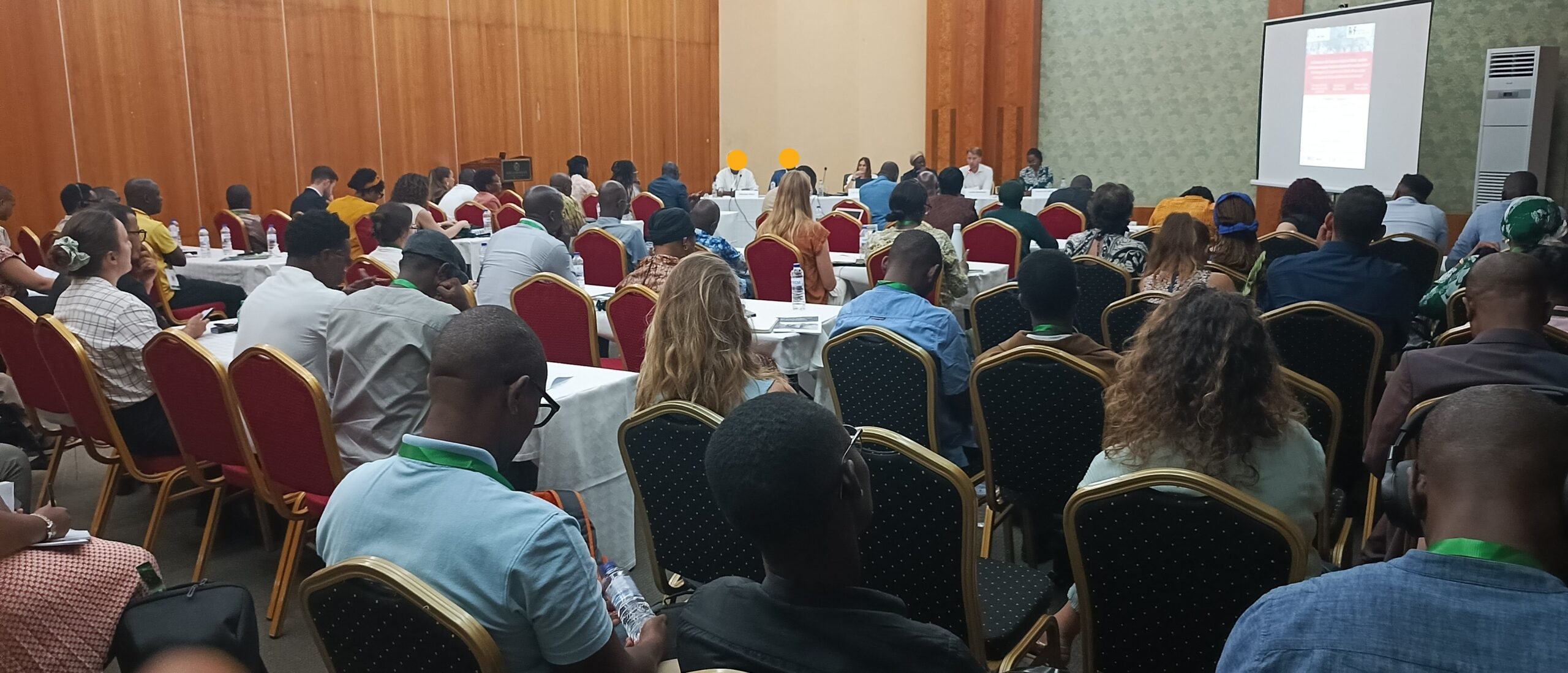
ACHPR89: Civic space, press freedom alarmingly constrained in the Sahel
At the margins of the 89th session of the African commission, civil society groups discussed the growing challenges and threats weighing on journalists working the Sahel.
© UN Web TV
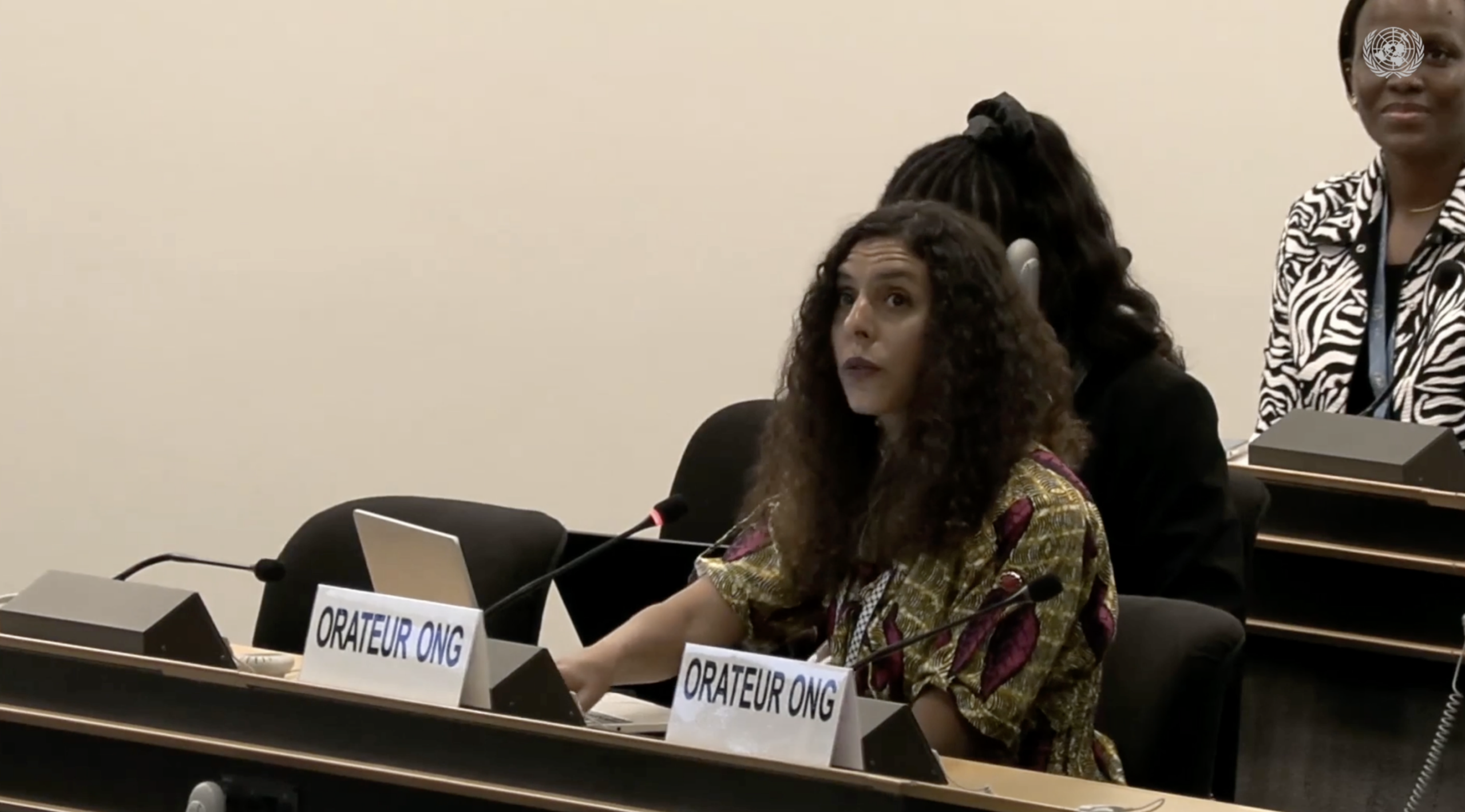
At a Human Rights Council debate with the Independent International Fact-Finding Mission for the Sudan, ISHR delivered a joint statement with Sudanese Women’s Rights Action and the Regional Coalition for Women Human Rights Defenders in South West Asia and North Africa.
In Sudan, civilians continue to endure unbearable conditions in Dillinj, South Kordofan, while thousands walk on foot for days in search of safety in the Blue Nile State.
The conflict in South Kordofan region has intensified, with the Rapid Support Forces (RSF) and SPLM-N forces launching indiscriminate drone strikes and shelling on civilian areas, killing dozens of civilians, including children, and local responders including Sara Ahmed, a volunteer with the emergency response rooms in Dillinj.
Local responders and human rights defenders face vicious attacks as they work to save lives and document war crimes. They operate with extremely limited resources to fill critical gaps in areas where international aid organisations cannot function.
Every day, they choose to remain in high-risk areas so their communities can access the limited aid available.
Our organisations:
Finally, we ask the Fact-Finding Mission what support it needs to effectively carry out its mandate?
ISHR delivered this statement with Sudanese Women’s Rights Action (SUWRA) and the Regional Coalition for Women Human Rights Defenders in South West Asia and North Africa (WHRDMENA).
Watch the full statement below:
At the margins of the 89th session of the African commission, civil society groups discussed the growing challenges and threats weighing on journalists working the Sahel.
UN experts officially warned Russian authorities they were looking at allegations of laws placing strict and discriminatory burdens on the work of Indigenous rights groups and activists.
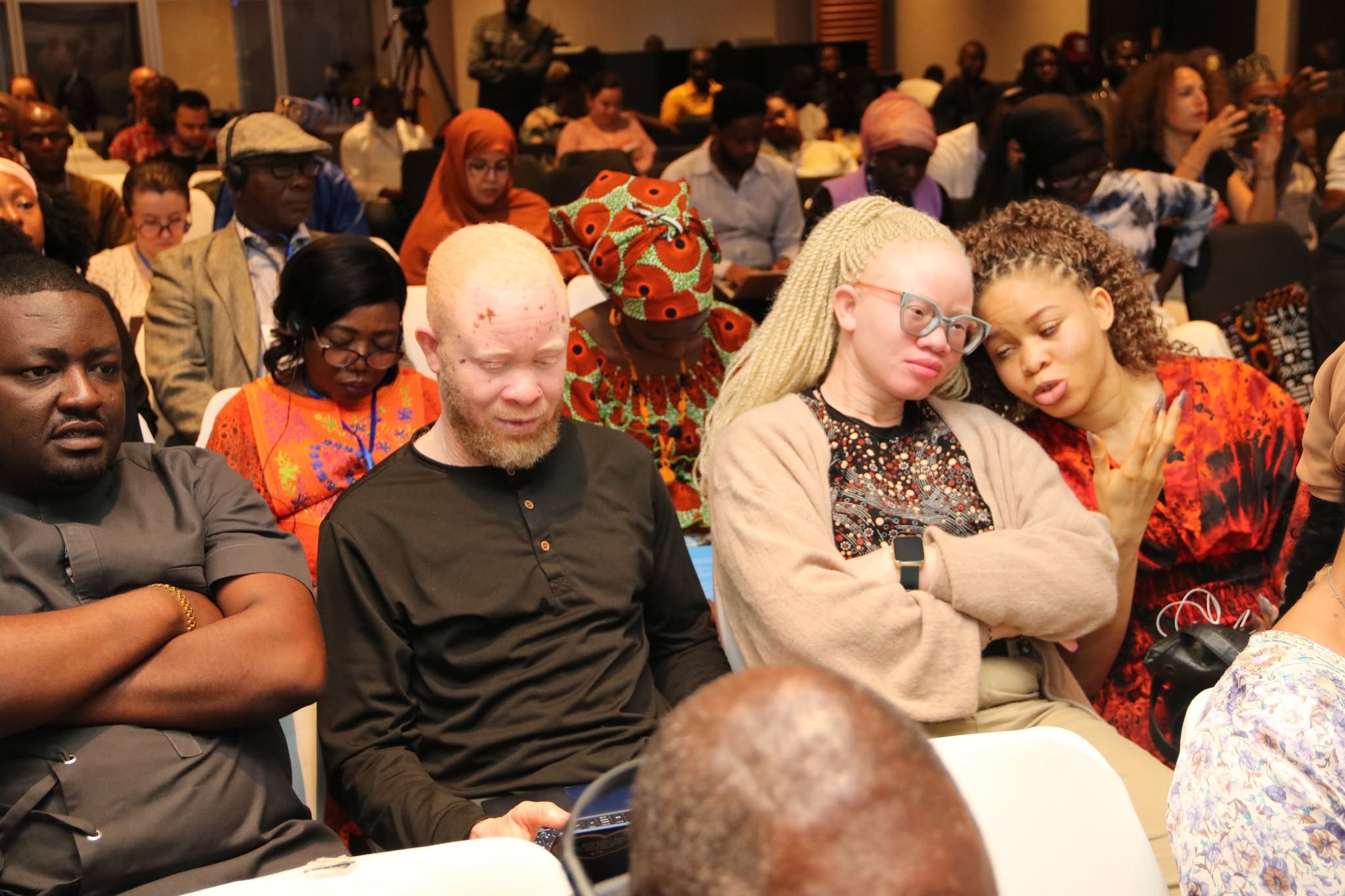
The panel discussion titled “Invisible in the Climate Crisis: The Impact of Climate Change on the Human Rights of Persons with Albinism and Disabilities in Africa” highlighted the disproportionate impact of climate change on marginalised communities and the urgent need for inclusive, rights-based climate action.