UN Decolonisation Committee: ISHR denounces attacks and reprisals against Sahrawi defenders
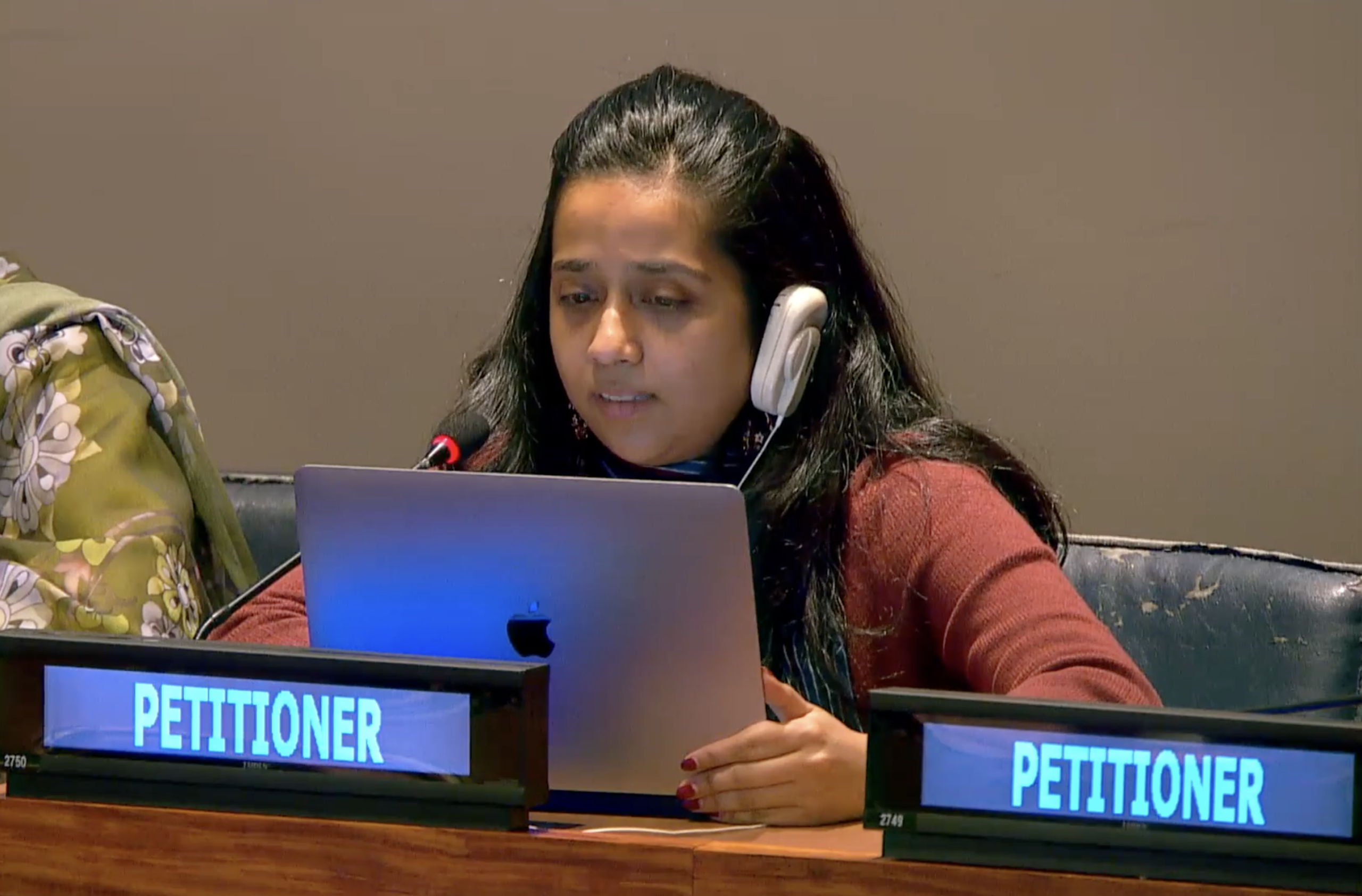
ISHR delivered a statement before the Special Political and Decolonisation Committee (Fourth Committee) during its hearing on the “Question of Western Sahara" on 8 October 2026. Watch and read the statement below.
ISHR wishes to draw the Committee’s attention to the treatment of Sahrawi human rights defenders and prisoners, and to Morocco’s failure to implement decisions of UN human rights mechanisms.
Sahrawi human rights defenders documenting violations, mobilising communities, or asserting the right to self-determination face criminalisation, administrative harassment, physical and psychological abuse, sexual violence, surveillance, and restrictions on fundamental freedoms. This creates a climate of intimidation and self-censorship, limiting defenders’ ability to organise, document violations, or communicate securely including with the UN.
In April, the UN Committee against Torture adopted four new decisions concerning members of the Gdeim Izik group: Hassan Dah, Mohamed Lamine Haddi, Ahmed Sbaï and Sidi Ahmed Lemjiyed.
These add to six previous cases, including that of Naâma Asfari.
Across these ten cases, the Committee identified a consistent pattern involving allegations of arbitrary arrest, solitary confinement, torture or ill-treatment during interrogation, and the subsequent use of confessions obtained under coercion.
Crucially, the Committee concluded that repeated failures to promptly, impartially and effectively investigate allegations of torture, together with the use of statements obtained through torture, were not isolated procedural irregularities. They revealed a structural problem in the handling of Gdeim Izik cases, requiring urgent corrective measures.
Yet all four men remain imprisoned, almost sixteen years after Gdeim Izik. Naâma Asfari also remains imprisoned, despite the Committee finding violations of the Convention in his case a decade ago.
UN Special Procedures have emphasised that the denial of the Sahrawi people’s right to self-determination forms part of the structural context in which human rights violations occur in the occupied territory.
This year, the Committee also found violations of the Convention in the case of Sahrawi human rights defender Abdelmoula El Hafidi, represented by ISHR. It found that his detention conditions amounted to degrading treatment and that Morocco had failed to ensure his right to complain and have those allegations promptly and impartially examined.
El Hafidi was released in April after completing his ten-year sentence but his release did not end the violations. Since then, he and his family have faced intimidation and reprisals. This, despite the Committee expressly calling on Morocco to refrain from pressure, intimidation or reprisals against him.
His case illustrates a fundamental principle: engaging with the UN must not expose victims, human rights defenders or their families to further harm.
ISHR calls on Morocco to fully and promptly implement the decisions of the Committee against Torture and other UN human rights mechanisms; investigate allegations of torture; provide effective remedies; and end all acts of intimidation and reprisal.
We urge Member States and the UN to ensure the Sahrawi people can exercise their inalienable right to self-determination, hold Morocco accountable for ongoing human rights violations against Sahrawis living under Moroccan occupation, and protect those who cooperate with the UN.
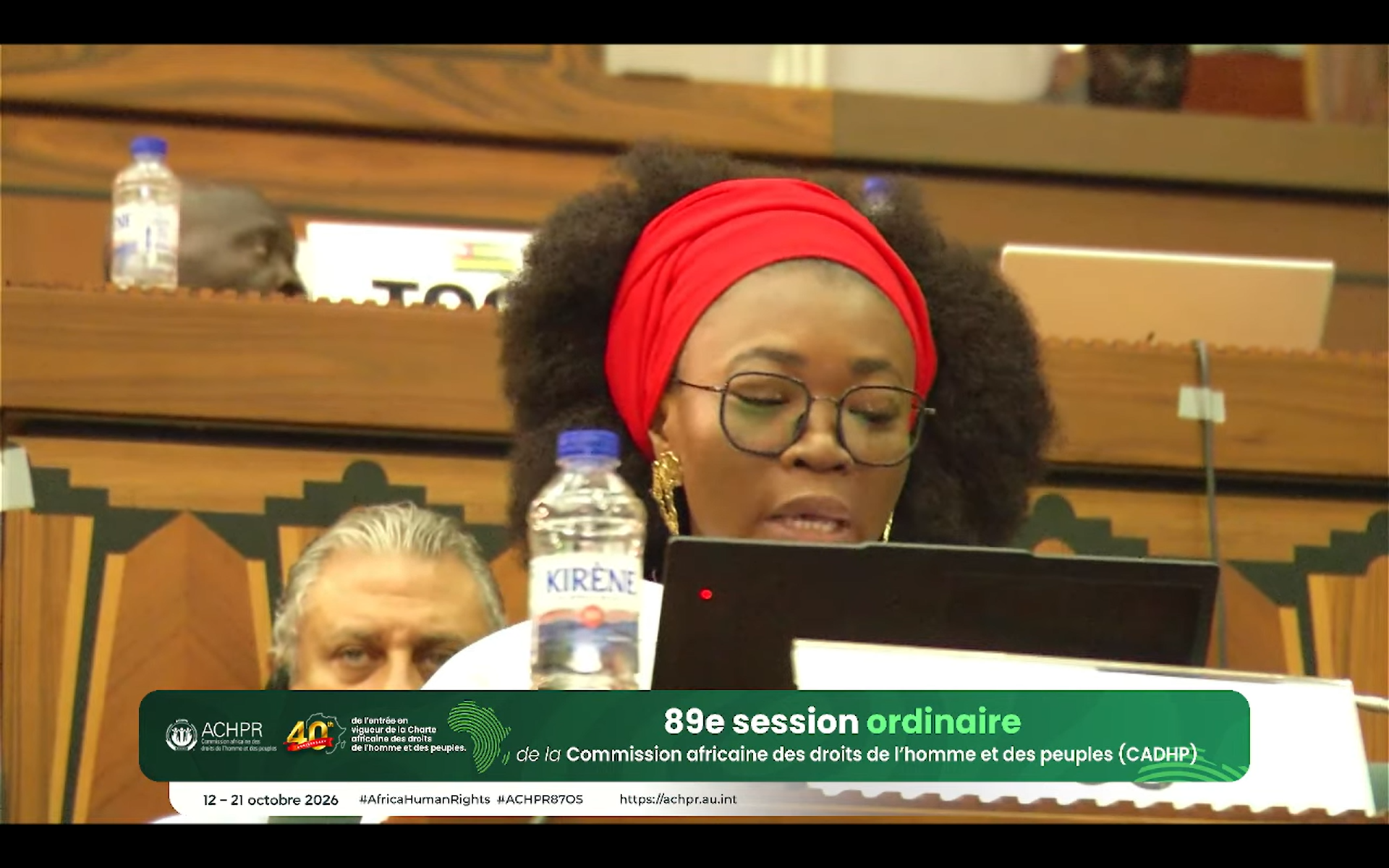
At the 89th session of the African Commission on Human and Peoples Rights, ISHR shared concerns about the situation of human rights defenders in Cameroon, Zambia and Guinea, especially in regards to the restrictive legal framework they work in and drew their attention to the state of civic space in Africa.
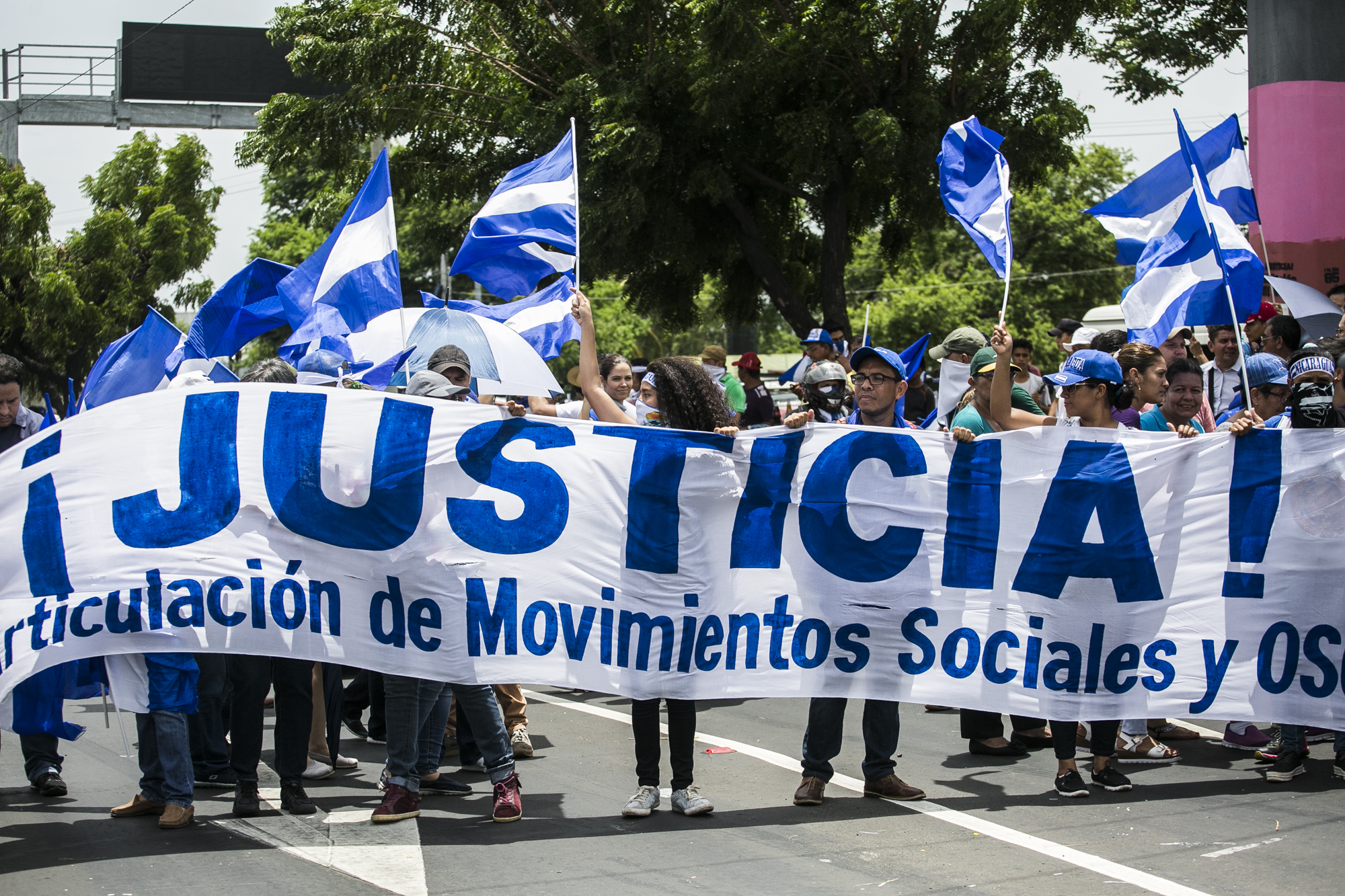
At the Human Rights Council's session, 47 States jointly denounced the dismantling of democracy in Nicaragua, while UN experts presented new evidence of systematic repression, enforced disappearance and deaths in State custody.
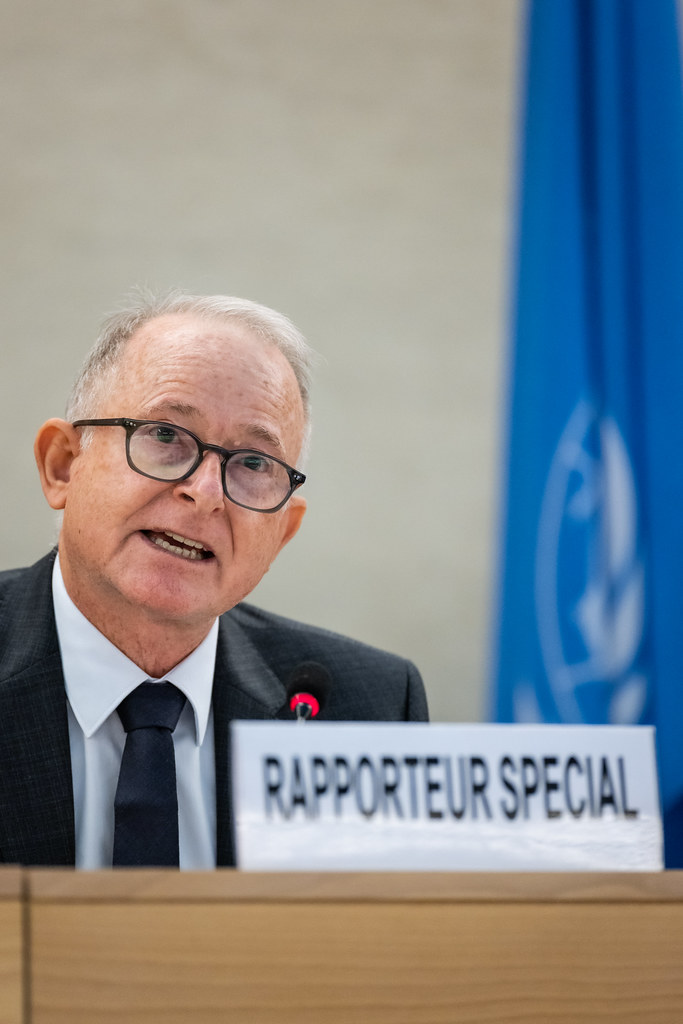
The Human Rights Council has renewed the mandate of the Special Rapporteur on Afghanistan for another year, maintaining dedicated scrutiny of the rights of women and girls. ISHR welcomes the renewal and calls on States to make sure the new Independent Investigative Mechanism for Afghanistan is up and running without delay.