UN Treaty Bodies
i

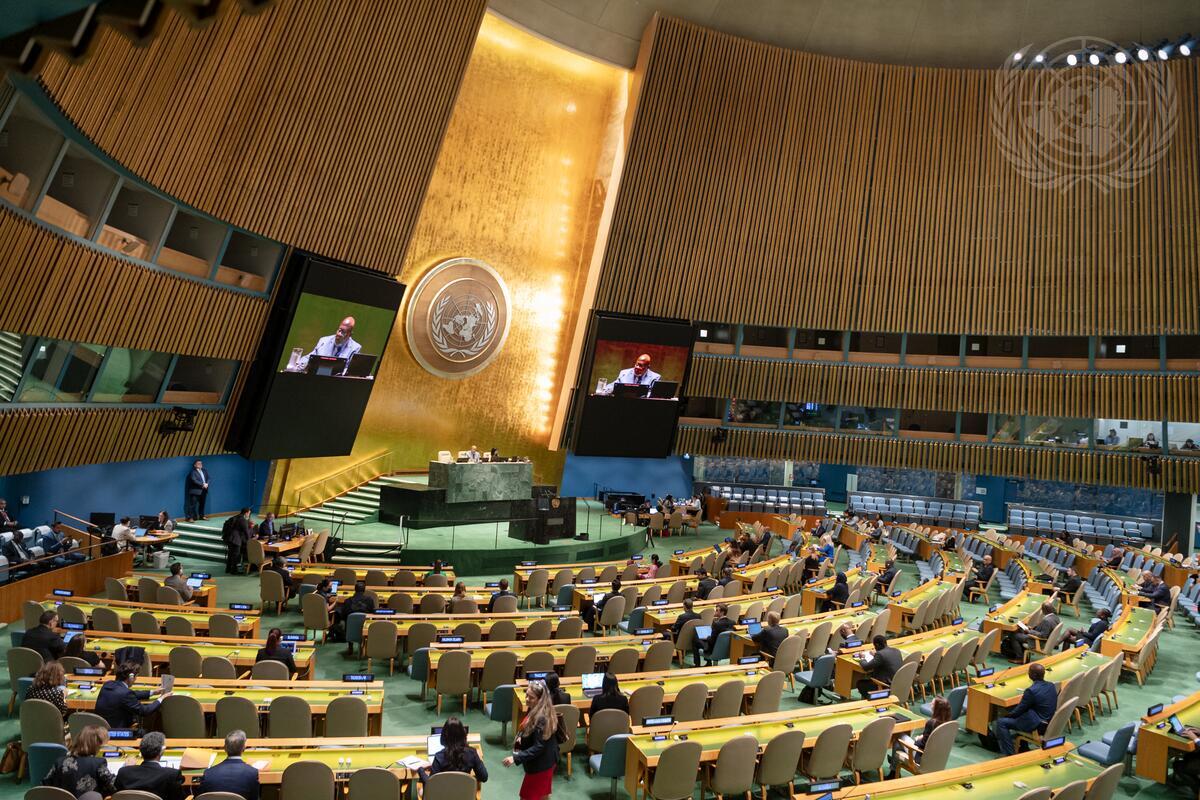
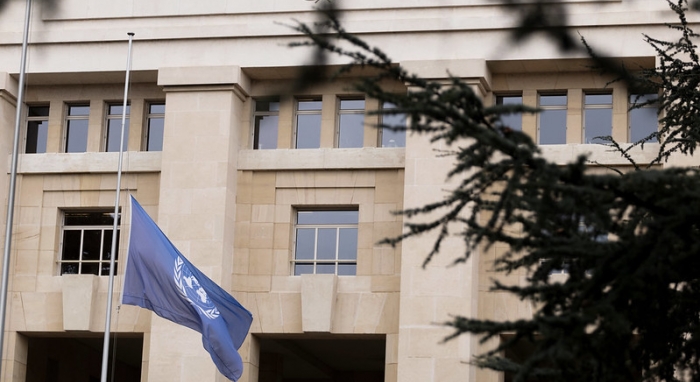
UN Treaty Bodies Photo: Flickr/UN Photo

Treaty Bodies

The treaty bodies are international committees of independent experts that monitor State parties’ implementation of the core international human rights treaties and their optional protocols.

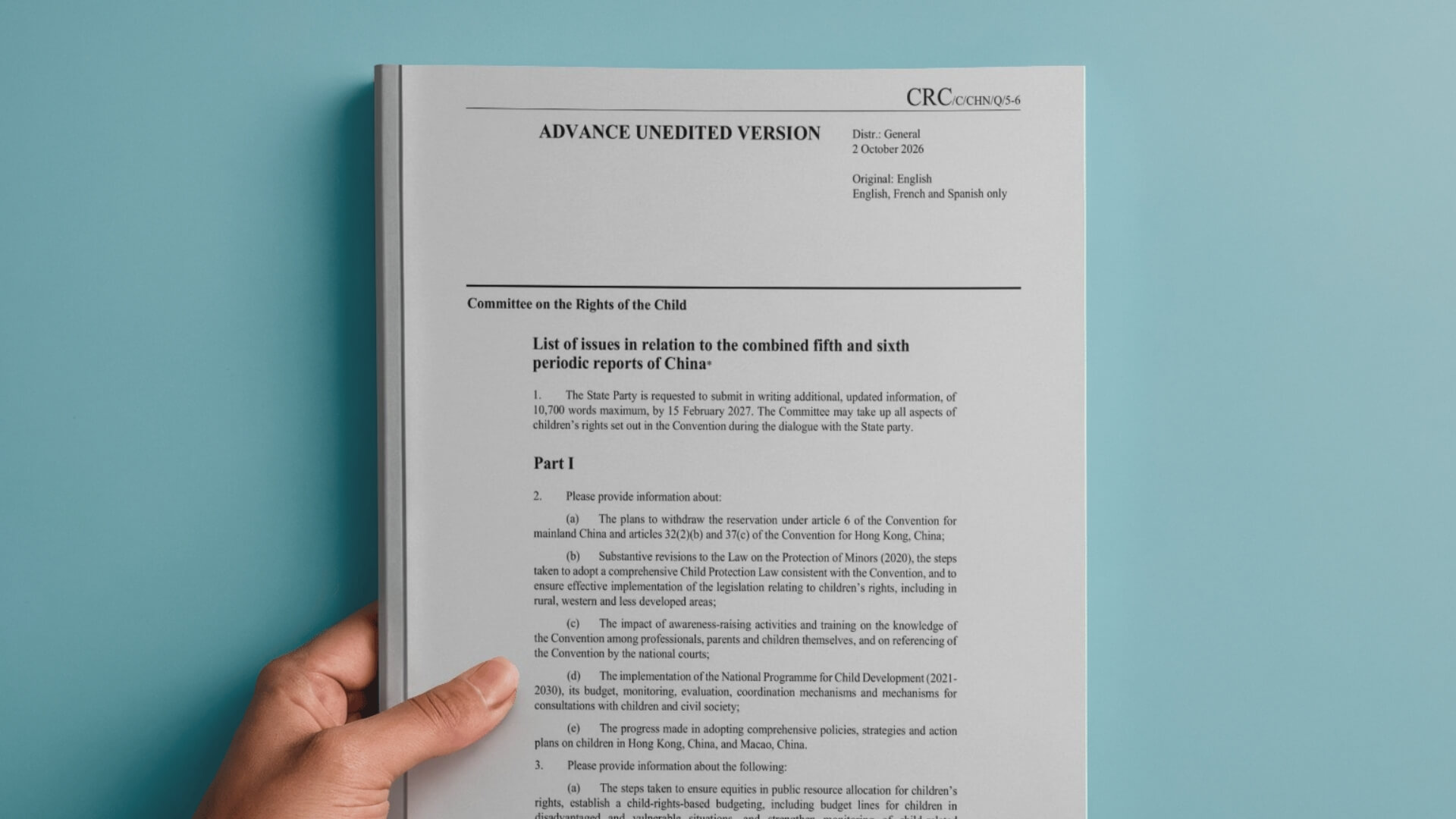
The treaty bodies’ functions include considering State parties’ periodic reports, adjudicating individual complaints, conducting country inquiries, adopting general comments interpreting treaty provisions, and organising thematic discussions related to the treaties.

In carrying out their work, treaty bodies consider information provided by the State parties but also from other actors including UN agencies, national human rights institutions and NGOs. For further information on working with the treaty bodies, see the module on UNTBs at the ISHR Academy.

ISHR supports human rights defenders and NGOs to access and leverage the treaty bodies to contribute to the promotion and protection of human rights on the ground. We also monitor and report on the treaty bodies’ examination of State reports and provide case notes on recent decisions on individual communications. ISHR is actively involved in advocacy around the ongoing treaty body strengthening process to ensure that the system is enhanced for the benefits of rights holders.

Latest Updates

Burundi: A major win in groundbreaking case against Burundi

Over five years ago, on 19 March 2020, ISHR filed a legal complaint against Burundi with the UN Committee Against Torture (CAT). The case sought justice and reparation for four Burundian lawyers who were disbarred or suspended and threatened by State representatives after sharing information with the CAT about the human rights situation in their country. Today, ISHR won this case!

NGO Forum: Reparations for Africans and people of African descent

The NGO Forum, ahead of the 85th ACHPR’s session in Banjul, held several panel discussions on the AU 2025 theme 'Reparations: Justice for Africans and People of African Descent' with different focuses, including the regional and UN standards on reparations, economic justice, as well as discrimination in Africa based on work and descent.

States should protect environmental and Indigenous defenders’ work for sustainable development

The Committee on Economic, Social and Cultural Rights (CESCR) recently published its General Comment on the environmental dimension of sustainable development. In addition to recognising human rights defenders, the Comment clarifies State obligations towards marginalised communities and notes the importance of transitioning away from fossil fuels. It also outlines States’ extraterritorial obligations.

Treaty Bodies

Treaty Bodies

Discover how the UN Treaty Bodies work and how you can use them to increase the impact of your advocacy.

Visit the ISHR Academy to find out more!

Explore our resources

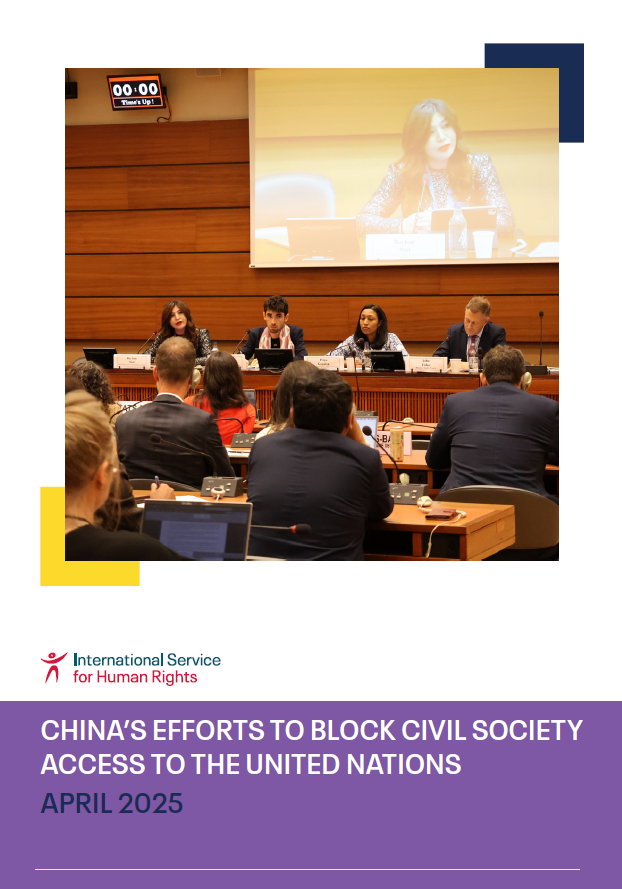
Report: China’s efforts to block civil society access to the United Nations

In a new report, ISHR analyses China’s tactics to restrict access for independent civil society actors in UN human rights bodies. The report provides an analysis of China’s membership of the UN Committee on NGOs, the growing presence of Chinese Government-Organised NGOs (GONGOs), and patterns of intimidation and reprisals by the Chinese government.

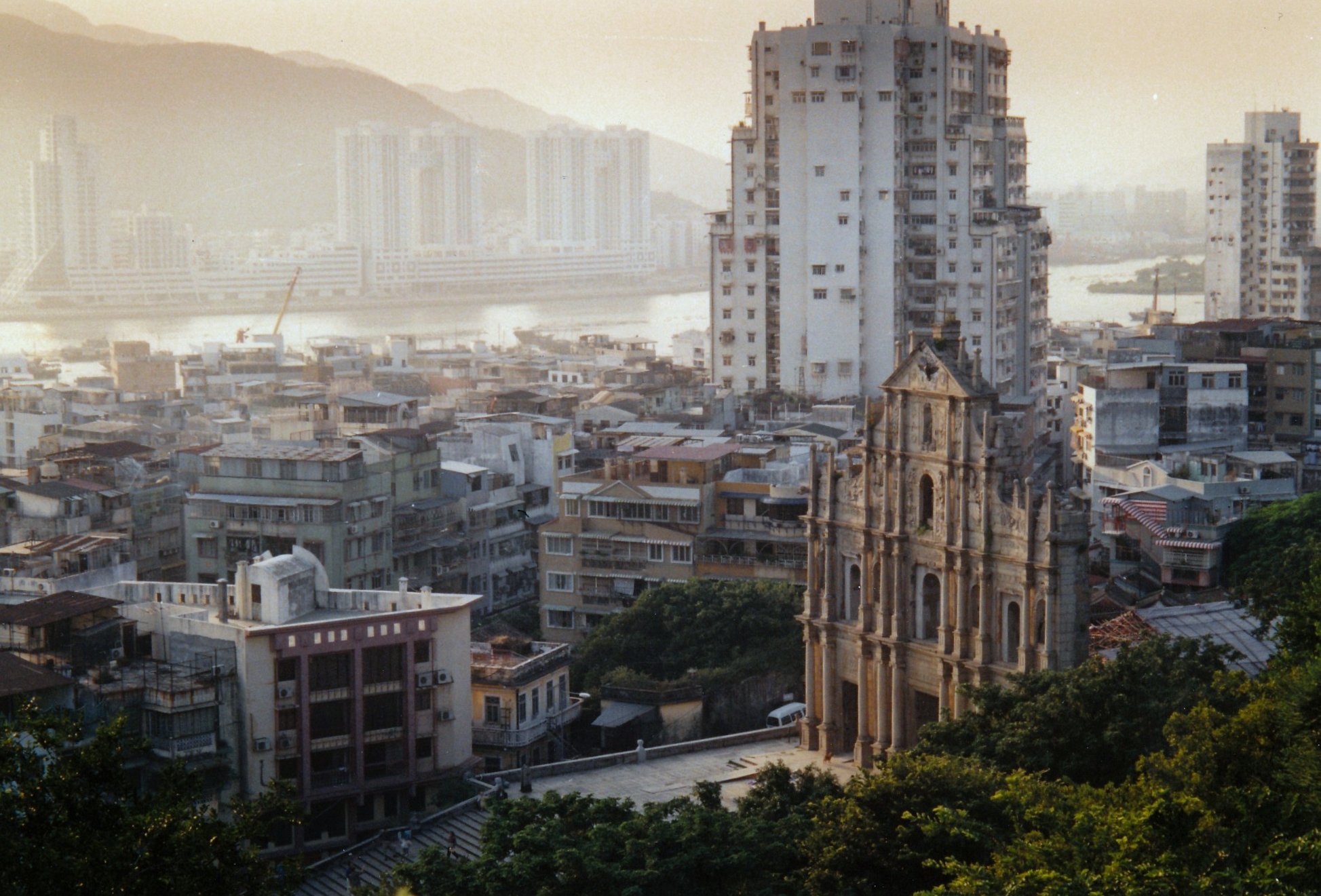
Repository of United Nations recommendations on human rights in Macao

This page compiles all recommendations issued by UN human rights bodies - including the UN Special Rapporteurs and Working Groups, the UN Treaty Bodies, and the Office of the High Commissioner for Human Rights - on the human rights situation in Macao since 2018. Recommendations are sorted by topic and community affected.

Repository of United Nations recommendations on human rights in China

This page compiles all recommendations issued by UN human rights bodies - including the UN Special Rapporteurs and Working Groups, the UN Treaty Bodies, and the Office of the High Commissioner for Human Rights - on the human rights situation in China since 2018. Recommendations are sorted by topic and community affected.